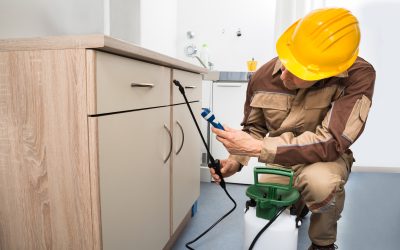
DIY pest control methods may offer short-term relief, but they rarely eliminate the root cause of infestations. Most over-the-counter pest control treatment options only address visible pests, while leaving hidden colonies, nests, and breeding cycles untouched—allowing infestations to return over time.
What Do DIY Pest Solutions Actually Target?
Most DIY products are designed to kill pests on contact or repel them temporarily. While this can reduce visible activity, it does not address the source of the infestation.
For example:
-
Sprays may kill insects you see but not those hidden in walls or nests
-
Traps may capture rodents but not eliminate the colony
-
Repellents may push pests into new areas instead of removing them
Because these solutions focus on symptoms rather than the cause, they often lead to recurring infestations that require more comprehensive pest removal services.
Why Don’t DIY Treatments Reach Hidden Infestations?
Pests rarely stay in open, visible areas. They hide in walls, attics, crawl spaces, and other protected environments where DIY products cannot reach effectively.
Common hidden infestation areas include:
-
Behind drywall and insulation
-
Under flooring or inside cabinets
-
Inside attic spaces or rooflines
-
Around plumbing and utility access points
Without access to these areas, DIY pest control treatment cannot fully eliminate the infestation. This is why pest control services often involve detailed inspections and targeted applications that go beyond surface-level solutions.
How Do Pests Adapt to DIY Methods?
Pests are highly adaptable and can develop resistance or avoidance behaviors over time. Repeated use of the same DIY products can reduce their effectiveness, especially when pests are exposed to sub-lethal doses.
Some common adaptations include:
-
Avoiding treated areas
-
Relocating nests deeper into structures
-
Becoming less sensitive to certain chemicals
This adaptability makes it difficult for DIY approaches to provide lasting results, particularly in areas with high pest activity like Buckeye, AZ.
Why Is Proper Identification Critical?
Different pests require different treatment methods. Misidentifying a pest can lead to ineffective treatment and prolonged infestations.
For instance:
-
Treating ants without identifying the colony type may fail to eliminate the source
-
Using general insect sprays on termites will not stop structural damage
-
Applying rodent traps incorrectly may not reduce population growth
Professional pest control services rely on accurate identification to determine the most effective pest control treatment, ensuring that the problem is addressed correctly from the start.
How Do Breeding Cycles Impact DIY Results?
Many pests reproduce rapidly, and DIY methods often fail to interrupt these cycles. Even if visible pests are eliminated, eggs and larvae may remain untouched.
Examples include:
-
Cockroach eggs that hatch after treatment
-
Ant colonies that continue reproducing underground
-
Rodent populations that grow quickly in hidden spaces
Without targeting all life stages, infestations can return within days or weeks. Effective pest removal services focus on breaking these cycles to prevent regrowth.
What Risks Come with Improper DIY Application?
Incorrect use of pest control products can reduce effectiveness and create additional risks. Overuse or improper placement may lead to:
-
Limited impact on the actual infestation
-
Pests spreading to new areas
-
Potential exposure concerns for occupants
Additionally, combining multiple products without a clear strategy can interfere with results rather than improve them. This highlights the importance of structured pest control treatment plans used in professional services.
Why Do Infestations Return After DIY Efforts?
Recurring infestations are one of the most common issues with DIY pest control. This usually happens because the original entry points, attractants, and nesting areas remain unchanged.
Key reasons include:
-
Entry points are not sealed
-
Food and water sources are still accessible
-
Nesting areas are left undisturbed
Without addressing these factors, pests are likely to return even after temporary reductions in activity. Long-term residential protection depends on identifying and correcting these underlying conditions.
How Do Professional Pest Control Services Differ?
Professional pest control services take a more comprehensive approach compared to DIY methods. Instead of focusing only on visible pests, they evaluate the entire environment.
Their process typically includes:
-
Identifying pest species and behavior patterns
-
Locating nesting and breeding areas
-
Applying targeted pest control treatment
-
Monitoring and adjusting strategies as needed
Working with Grizzly Pest Control allows homeowners to better understand how infestations develop and what steps are needed to resolve them effectively. Those looking for a professional pest control partner in Buckeye, AZ, often benefit from solutions that address both immediate issues and long-term prevention.
When Should DIY Be Replaced with Professional Services?
DIY methods may be useful for minor, isolated issues, but certain signs indicate the need for professional pest removal services:
-
Repeated infestations despite treatment
-
Increased pest activity over time
-
Evidence of nesting or structural damage
-
Presence of multiple pest types
At this stage, more advanced pest control treatment is typically required to prevent further spread and damage.
Why Long-Term Solutions Matter
Pest control is not just about eliminating visible pests—it’s about creating conditions where infestations are less likely to occur. DIY methods often fall short because they do not address the full scope of the problem.
For homeowners in Buckeye, AZ, understanding the limitations of DIY approaches can help guide better decisions when dealing with persistent pest issues. By focusing on complete treatment strategies and preventative measures, long-term control becomes more achievable and sustainable.