For businesses in Phoenix, AZ, visibility plays a major role in attracting new customers. As competition grows across industries like home services, delivery, and logistics, companies are looking for cost-effective ways to stand out. One strategy that continues to deliver results is the use of vehicle branding through wraps.
But when it comes to choosing between a box truck wrap and van wraps, many business owners ask the same question: which option converts better? Understanding how each vehicle type performs as a marketing tool can help businesses make smarter branding decisions.
Understanding the Basics of Vehicle Wrap Advertising
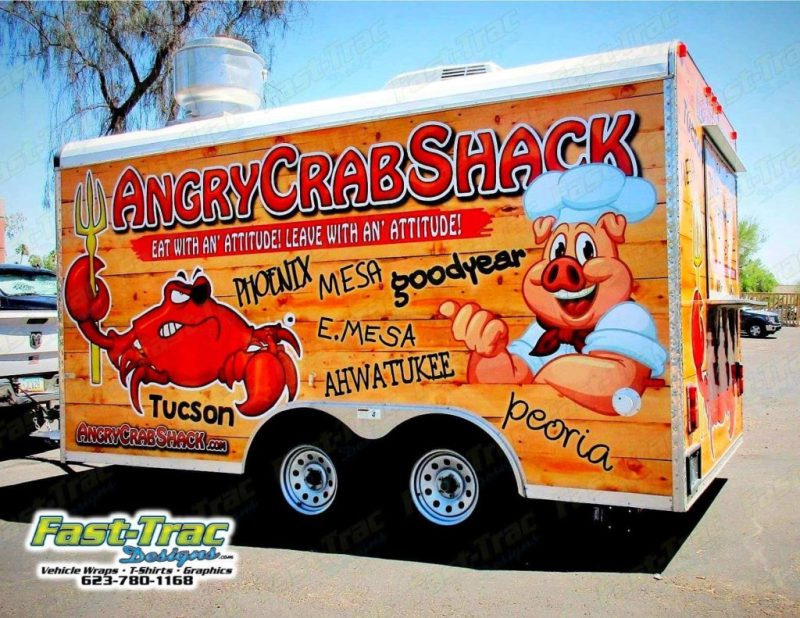
Vehicle wraps turn company vehicles into mobile advertisements. Whether driving through neighborhoods or parked at job sites, wrapped vehicles generate impressions throughout the day.
Fleet car wraps, including vans and box trucks, are especially effective because they create consistent branding across multiple vehicles. This repetition helps reinforce brand recognition, making it easier for potential customers to remember a business when they need a service.
The effectiveness of a wrap depends not only on design but also on the type of vehicle being used.
What Makes a Box Truck Wrap Stand Out?
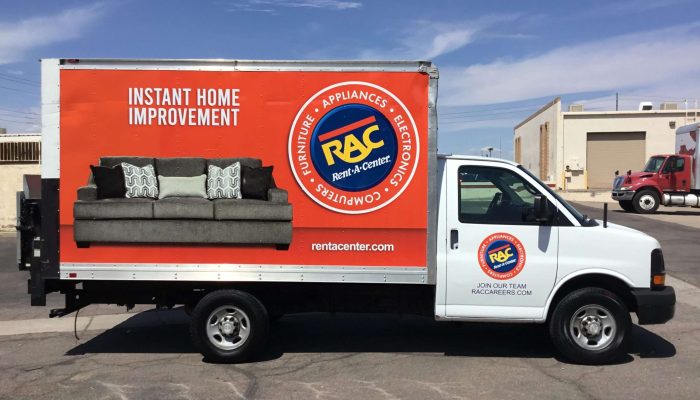
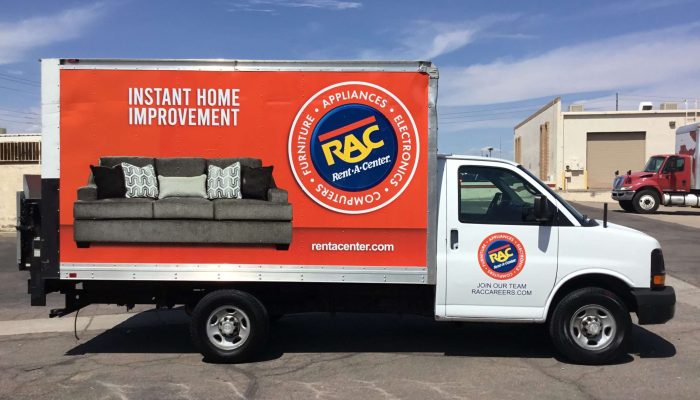
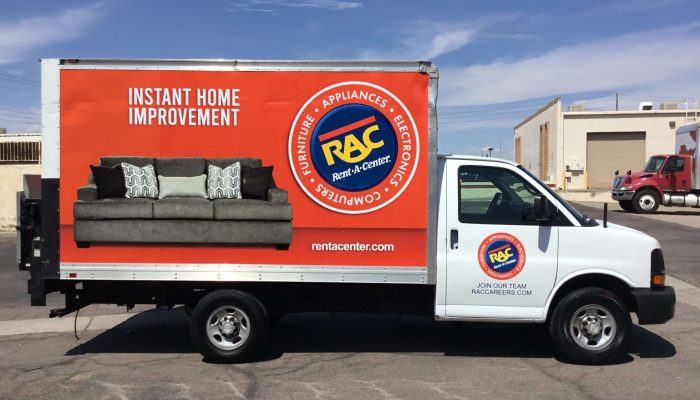
Box trucks offer one of the largest surfaces available for vehicle advertising. Their flat, rectangular sides act almost like moving billboards, making them highly visible from a distance.
A box truck wrap allows for:
• Large-scale graphics and bold messaging
• Easy readability even at higher speeds
• High-impact branding in busy traffic areas
Because of their size, box trucks are often used by delivery companies, moving services, and logistics providers. In Phoenix, where roads and highways are frequently busy, the large format of a box truck wrap can capture attention quickly.
This visibility can translate into stronger brand recall, especially when the design is clear and easy to read.
How Van Wraps Perform in Local Markets
Van wraps are one of the most common forms of vehicle advertising for service-based businesses. From HVAC companies to electricians and plumbers, vans are widely used for daily operations.
Van wraps offer several advantages:
• Frequent exposure in residential neighborhoods
• Better accessibility in tight or urban areas
• Consistent visibility at job sites
Unlike box trucks, vans tend to operate closer to where customers live. This proximity can create a stronger local connection, as potential customers repeatedly see the same branded vehicle in their area.
For businesses that rely on local service calls, van wraps can be particularly effective in building trust and familiarity.
Comparing Visibility and Reach
When comparing a box truck wrap to van wraps, visibility depends on where and how the vehicle is used.
• Box trucks are more visible on highways and main roads due to their size
• Vans are more visible in neighborhoods and local streets
In Phoenix, where businesses often serve both residential and commercial areas, the choice may depend on the target audience.
A box truck wrap may generate broader awareness across the city, while van wraps may create stronger connections within specific communities.
Conversion Potential: Which Performs Better?
Conversion is not just about visibility—it is about reaching the right audience at the right time.
• Box truck wraps excel at generating awareness and impressions
• Van wraps excel at reinforcing trust and local recognition
For example, a homeowner who sees a branded van parked in their neighborhood multiple times may be more likely to call that business when they need a service. On the other hand, a box truck wrap may introduce the brand to a wider audience that may not have been aware of it before.
Fleet car wraps that combine both vehicle types often provide the best results, balancing reach and local engagement.
Design Considerations for Maximum Impact
Regardless of the vehicle type, design plays a critical role in performance. Effective wraps should include:
• Clear and readable text
• Strong contrast between colors
• Minimal clutter
• Prominent contact information
A box truck wrap can accommodate larger designs, but that does not mean more content is better. Simplicity often leads to better readability.
Van wraps, while smaller, should still prioritize clarity and consistency with overall branding.
Businesses exploring their options often consult Fast-Trac Designs to better understand how design and vehicle choice work together.
Cost and Practical Considerations
Cost can vary between a box truck wrap and van wraps due to differences in size and material usage.
• Box truck wraps typically require more material and installation time
• Van wraps are generally smaller but may involve more vehicles in a fleet
From a practical standpoint, businesses should also consider how each vehicle is used daily. A wrap is only effective if the vehicle is frequently seen.
Fleet car wraps are most successful when vehicles are consistently on the road or in visible locations.
When to Choose One Over the Other
Choosing between a box truck wrap and van wraps depends on business goals:
• Choose box truck wraps for maximum visibility and city-wide exposure
• Choose van wraps for local engagement and neighborhood presence
Businesses that operate both types of vehicles often benefit from using both strategies together. This creates a layered approach to marketing, combining broad awareness with localized trust.
Final Thoughts
For businesses in Phoenix, AZ, both box truck wraps and van wraps offer strong advertising potential. The key difference lies in how they reach audiences and where they generate the most impact.
Box truck wraps provide large-scale visibility that can introduce a brand to a wide audience, while van wraps create repeated exposure in local communities, helping build familiarity and trust.
Rather than focusing on which option is better overall, businesses may find greater success by aligning their choice with their service area, audience, and daily operations. When used strategically, fleet car wraps can become a powerful and consistent part of a company’s marketing efforts.