Unpleasant odors coming from your HVAC system are often signs that something inside the system needs attention. In Glendale, AZ, dust buildup, moisture, clogged filters, electrical issues, and airflow problems are some of the most common causes of residential HVAC odors.
Understanding where these smells originate can help homeowners recognize when professional home HVAC repair is necessary. Working with a qualified residential HVAC contractor helps prevent indoor air quality concerns, system strain, and expensive repairs over time.
Why Does Your HVAC System Smell Musty?
A musty odor is one of the most common HVAC complaints among homeowners. This smell is typically associated with moisture buildup inside the HVAC system.
Condensation naturally forms during the cooling process, especially during Glendale’s hotter months when air conditioning systems run for long periods. If moisture remains trapped inside drain lines, evaporator coils, or ductwork, mold and mildew can begin developing within the system.
Common causes of musty HVAC odors include:
-
Clogged condensate drain lines
-
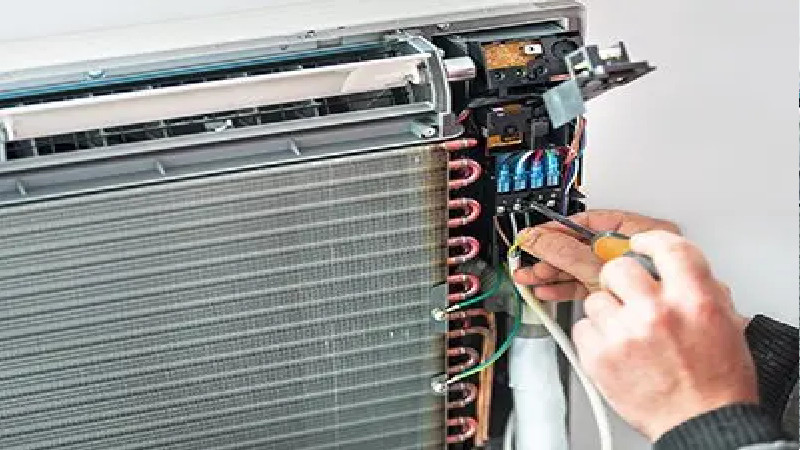
Dirty evaporator coils
-
Excess humidity inside ductwork
-
Restricted airflow
-
Old or dirty air filters
When airflow becomes limited, moisture may linger longer than it should, creating an environment where mold spores can grow and spread through the home.
What Causes Burning Smells From HVAC Systems?
A burning smell coming from an HVAC system should never be ignored. In many cases, the odor may occur temporarily when heating systems are first activated after long periods of inactivity. Dust that settles on heating components during warmer months may burn away during initial startup.
However, persistent burning odors can indicate more serious issues, including:
-
Overheating motors
-
Electrical wiring problems
-
Failing capacitors
-
Damaged blower components
-
Belt friction inside older systems
Electrical smells often resemble burning plastic or hot metal. These odors may signal overheating components that could affect HVAC performance and safety. Homeowners noticing these smells should contact a professional residential HVAC contractor promptly to inspect the system.
Why Does Your Air Conditioner Smell Like Dirty Socks?
“Dirty sock syndrome” is a term often used to describe foul odors produced by bacteria buildup on evaporator coils. The odor is commonly described as damp laundry, mildew, or sweaty socks.
This issue develops when moisture combines with dust and debris on the coils. As warm air passes over the contaminated surface, the odor circulates throughout the home.
Several conditions can contribute to this issue:
-
High indoor humidity
-
Infrequent filter changes
-
Poor airflow
-
Dirty coils
-
Inconsistent HVAC maintenance
In Glendale, AZ, where cooling systems often operate for extended periods, evaporator coils can accumulate debris quickly if maintenance is delayed.
Can Air Filters Cause HVAC Odors?
Yes. Dirty air filters are among the most overlooked causes of HVAC odors in residential properties.
Air filters are designed to trap:
-
Dust
-
Pet dander
-
Pollen
-
Airborne particles
-
Debris
Over time, clogged filters can restrict airflow and trap odors inside the system. In homes with pets, smoke exposure, or higher dust levels, filters may become saturated faster than expected.
Restricted airflow can also place additional strain on HVAC components, reducing system efficiency and increasing the likelihood of future home HVAC repair needs.
Many homeowners searching for “air conditioning repair near me” discover that neglected air filters contributed to airflow and odor issues within the system.
How Do Pest Problems Affect HVAC Odors?
In some cases, HVAC odors may result from pest activity inside ductwork or system components.
Rodents and insects occasionally enter HVAC systems seeking shelter, especially during seasonal temperature changes. Unfortunately, nesting materials, droppings, and debris can create strong odors that spread throughout the property.
Signs of pest-related HVAC odors may include:
-
Persistent foul smells
-
Scratching sounds
-
Reduced airflow
-
Increased allergy symptoms
-
Visible debris near vents
Professional HVAC inspections can help identify whether duct contamination or pest intrusion is contributing to indoor odor problems.
Why Is Airflow Important for Odor Prevention?
Proper airflow plays a major role in preventing odor buildup inside residential HVAC systems.
When airflow becomes restricted due to clogged filters, blocked vents, dirty coils, or damaged ductwork, moisture and contaminants remain trapped inside the system longer. Poor airflow may also create uneven cooling throughout the home, forcing HVAC equipment to work harder.
Maintaining healthy airflow helps:
-
Reduce moisture accumulation
-
Improve indoor air quality
-
Prevent mold growth
-
Support energy efficiency
-
Extend HVAC lifespan
Professional HVAC inspections often identify airflow issues before they lead to larger repair concerns.
How Often Should Residential HVAC Systems Be Inspected?
Most HVAC professionals recommend scheduling residential HVAC inspections at least twice per year:
-
Before summer cooling season
-
Before winter heating season
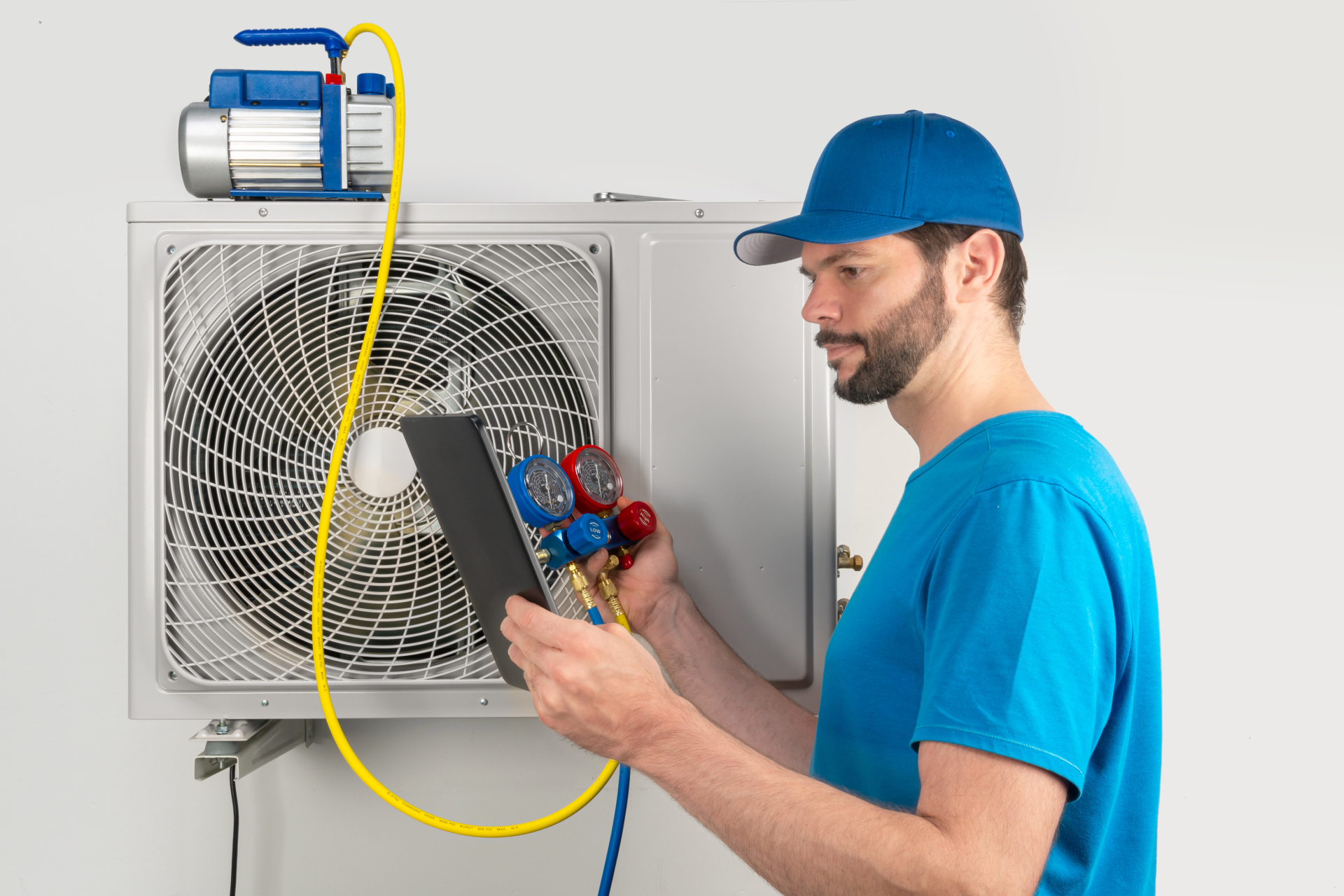
Routine inspections allow technicians to:
-
Clean coils
-
Replace filters
-
Inspect drain lines
-
Check airflow
-
Identify odor sources early
Preventive maintenance helps homeowners reduce emergency repair risks while supporting long-term HVAC performance.
For homeowners in Glendale, AZ, regular maintenance is especially important because HVAC systems often operate heavily during extended heat periods.
Can HVAC Odors Affect Indoor Air Quality?
Yes. Persistent HVAC odors may indicate indoor air quality concerns that can impact comfort inside the home.
Poor indoor air quality may contribute to:
-
Allergy irritation
-
Respiratory discomfort
-
Headaches
-
Excess dust circulation
-
Lingering humidity
Contaminants trapped inside HVAC systems may continue circulating throughout living spaces if the underlying issue is not resolved. Addressing odors early helps improve indoor comfort and system performance simultaneously.
Strange HVAC Smells in Your Home? Get Trusted HVAC Odor Troubleshooting for Homes
Persistent HVAC odors should never be ignored, especially when they affect airflow, indoor comfort, or system efficiency. Gotham Air provides trusted HVAC odor troubleshooting for homes to help homeowners identify airflow issues, moisture buildup, clogged filters, and hidden HVAC concerns before they become larger repair problems. Learn more about their professional residential HVAC services at Gotham Air.