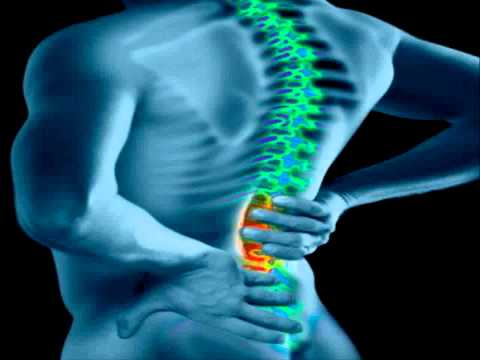
Back pain may feel worse during bending, lifting, or twisting because these movements change the pressure placed on spinal joints, discs, muscles, and surrounding tissues. When one of these structures is irritated or moving poorly, ordinary tasks can increase strain and make symptoms more noticeable.
People in Gresham, OR, may experience this type of discomfort while picking up groceries, loading a car, working in the yard, exercising, or reaching toward the floor. Understanding which movements trigger pain can help a chiropractor identify possible contributing factors and determine whether chiropractic care, decompression therapy, exercises, or another approach may be appropriate.
Why Can Bending Forward Increase Back Pain?
Bending forward shifts body weight toward the front of the spine. The muscles of the lower back must control the movement while the spinal discs and joints adjust to the change in position.
If the back is already stiff or irritated, repeated bending may increase discomfort. This is especially common when someone bends mainly from the waist instead of allowing the hips and knees to share the movement.
Forward bending may also place more pressure on certain parts of the spinal discs. A person with possible disc irritation may notice pain in the lower back, buttock, or leg when reaching toward the floor, tying shoes, or sitting in a rounded position.
Pain during bending does not automatically mean a disc problem is present. Tight hamstrings, restricted hip movement, muscle strain, joint irritation, and poor movement habits can produce similar symptoms. A physical evaluation is needed to clarify the cause.
Why Does Lifting Sometimes Trigger Sharp Pain?
Lifting adds weight to the movement and increases the amount of force the body must manage. The risk of discomfort may rise when the object is heavy, held away from the body, picked up quickly, or lifted while the spine is rounded.
The lower back often takes on more work when the legs and hips are not used effectively. Muscles may become strained, joints may become irritated, or an existing condition may become more noticeable.
Unexpected movement can make lifting more challenging. A box may shift, a child may move suddenly, or an object may be heavier than expected. The body may react by tightening the muscles around the spine to protect the area.
Keeping the load close to the body, bending the knees, and moving through the hips can reduce unnecessary strain. These habits do not prevent every injury, but they can help distribute force more evenly.
Why Can Twisting Aggravate the Spine?
Twisting requires coordinated movement through the hips, upper back, and lower spine. When one area is stiff, another may rotate more than it normally would.
Turning while lifting can be particularly demanding because the spine is managing both rotational force and added weight. Activities such as moving furniture, unloading supplies, shoveling, and reaching into the back seat of a vehicle may combine bending and twisting.
Discomfort may also occur when someone repeatedly turns in the same direction at work. Over time, muscles on one side may become tight or fatigued while nearby joints become less mobile.
A chiropractor may assess whether the hips and upper back are contributing to excessive movement in the lower spine. Addressing the full movement pattern may be more useful than focusing only on the painful area.
What Symptoms May Suggest Disc or Nerve Involvement?
Back pain that stays in one area may come from muscles, joints, or other tissues. Symptoms that travel into the buttock or leg may suggest irritation involving a nerve pathway.
Possible signs include tingling, numbness, burning, weakness, or pain that extends below the knee. Symptoms may worsen with prolonged sitting, forward bending, coughing, sneezing, or lifting.
These signs do not confirm a specific diagnosis. Similar symptoms may have different causes, which is why a careful health history and examination are important.
Severe weakness, loss of bowel or bladder control, numbness around the groin, major trauma, fever with back pain, or loss of coordination requires prompt medical attention rather than routine conservative care.
How May a Chiropractor Evaluate Movement-Related Back Pain?
A chiropractor may ask which movements trigger the pain, where the symptoms travel, and whether certain positions provide relief. They may also review previous injuries, work demands, exercise habits, and daily routines.
The examination may include range of motion, posture, spinal movement, muscle strength, reflexes, sensation, and orthopedic or neurological tests. Hip mobility and lower-body movement may also be assessed.
This process helps determine whether the symptoms appear primarily muscular, joint-related, disc-related, nerve-related, or connected to several factors. Imaging or referral may be recommended when the findings suggest that additional information is needed.
When May Spinal Decompression Therapy Be Considered?
Spinal decompression therapy may be considered when an evaluation suggests that controlled traction could help reduce mechanical loading around certain spinal structures. The treatment uses a motorized table to apply and release gentle pulling forces through the cervical or lumbar spine.
A decompression chiropractor may consider this approach for some people with recurring back pain, possible disc-related symptoms, or discomfort that travels along a nerve pathway.
Decompression therapy is not appropriate for every person with back pain. Muscle strain, spinal instability, recent fractures, severe osteoporosis, certain infections, and other health concerns may affect whether traction is suitable.
Treatment decisions should be based on examination findings rather than the presence of pain alone.
Is Decompression Therapy Usually the Only Form of Care?
Spinal decompression therapy is often used as one part of a broader care plan. Depending on the findings, care may also include chiropractic adjustments, mobility exercises, strengthening, posture guidance, and changes to lifting or work habits.
Exercises may help improve control through the hips, abdomen, and lower back. Movement guidance may also reduce repeated strain during bending, lifting, and twisting.
Progress should be reviewed throughout care. If symptoms worsen, fail to improve, or begin to include new neurological signs, the treatment plan may need to be changed or additional evaluation may be required.
What Can Help Reduce Pain During Daily Movement?
Move slowly when a task has previously triggered discomfort. Keep objects close to the body and avoid combining deep bending with sudden twisting.
Use the hips and knees during lifting rather than relying only on the lower back. When turning, move the feet instead of rotating through a fixed stance whenever possible.
Frequent position changes may also help. Long periods of sitting or standing can increase stiffness, making the next bend or lift feel more difficult.
Gentle walking and comfortable movement may be useful, but painful exercises or forceful stretching should not be continued without guidance.
Take the Next Step Toward Safer Movement
Back pain during bending, lifting, or twisting may reflect muscle strain, restricted joints, disc irritation, nerve involvement, or a combination of factors. A clear evaluation can help identify what is contributing to the discomfort and whether chiropractic care or spinal decompression therapy may be appropriate.
Schedule a chiropractic evaluation in Gresham, OR, if movement-related back pain keeps returning or begins to interfere with work, exercise, sleep, or everyday activities.