Bottom line:
• Slow drains, gurgling sounds, and recurring clogs are early signals that pipes need professional attention.
• Multiple slow fixtures at once often point to a main line issue rather than a single clogged drain.
• Addressing warning signs early helps homeowners avoid water damage, sewage backups, and costlier repairs later.
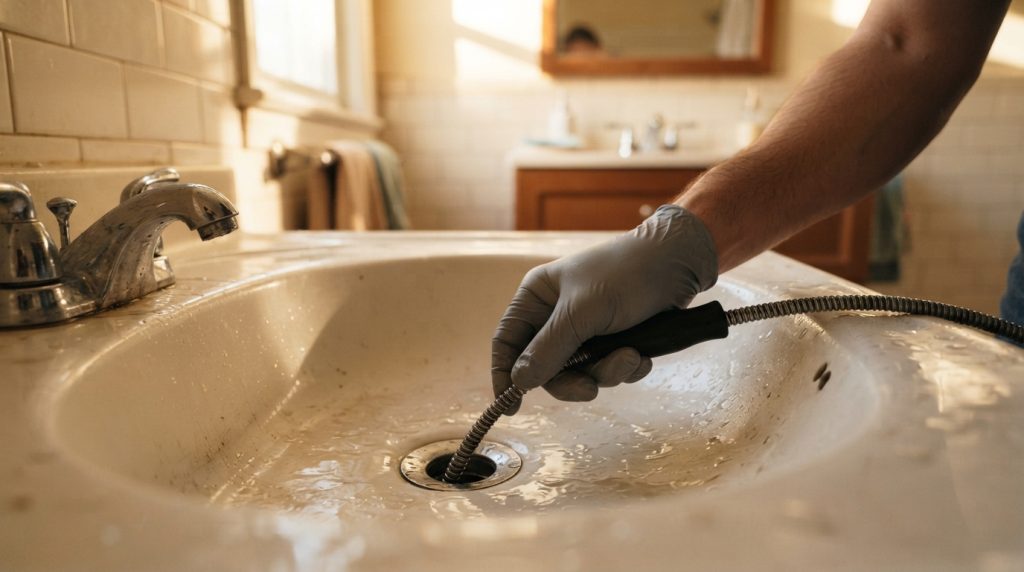
A home typically needs drain cleaning when water drains slowly, drains gurgle, or the same clog keeps returning despite DIY fixes. These symptoms usually mean debris, grease, or roots are narrowing the pipe before a full blockage or backup develops.
Catching the problem early is far less disruptive than dealing with standing sewage or a flooded bathroom floor. Scheduling drain cleaning in Barrow County, GA at the first sign of trouble clears buildup before it hardens into a blockage that forces an emergency call. Homeowners who wait until a fixture stops draining entirely often face a larger, messier repair than if they had acted on the earlier warning signs.
Early Warning Signs Worth Watching
Most drain problems announce themselves well before a full backup happens. Recognizing these patterns early can prevent water damage to flooring, cabinetry, and walls.
• Slow drainage in sinks, tubs, or showers. One of the earliest indications that your plumbing system needs professional attention is slow drainage. A single slow drain may seem minor, but it rarely resolves on its own.
• Recurring clogs in the same fixture. Temporary DIY methods usually punch a small hole through the blockage rather than removing it completely. The clog then rebuilds within days or weeks.
• Gurgling or bubbling sounds. Continued gurgling or bubbling noises from drains or toilets could signify air is trapped in the sewer line because of a clog or blockage.
• Persistent foul odors. Powerful sewage smells emanating from any drain, especially unpleasant, musty, or sulfur-like smells in basements or near sinks, indicate a sewer backup.
When the Problem Points to the Main Line
Not every clog is isolated to one fixture. When several drains act up together, the cause is usually deeper in the plumbing system.
| Symptom Pattern | Likely Cause | Typical Fix |
| One slow drain | Localized buildup (hair, soap, grease) | Snaking or hand auger |
| Multiple slow drains at once | Main line blockage or root intrusion | Hydro jetting or sewer snake |
| Water backing up in a different fixture | Shared drain line obstruction | Professional camera inspection |
A sewer line backup announces itself through warning signs such as multiple slow drains, gurgling toilets, foul sewage odors, and water rising in sinks or tubs, and when several fixtures act up at once, the problem is almost always the main line rather than a single clogged drain. This distinction matters because treating a main line issue like a simple sink clog rarely solves the underlying problem.
Delaying attention to these warning signs rarely makes the problem disappear. If raw sewage is backing up into a tub, floor drains, or anywhere in the home, the U.S. Environmental Protection Agency notes that sanitary sewer overflows can back up into homes, causing property damage and threatening public health. For more detail on how overflows affect homes and health, the EPA’s guidance on sanitary sewer overflows outlines the risks involved.
Beyond health concerns, standing water from a backup can damage subfloors, drywall, and personal belongings. Routine inspection habits can help catch problems before they reach this stage.
• Check visible traps under sinks for early buildup.
• Note any change in drainage speed across multiple fixtures.
• Pay attention to new or worsening odors near floor drains.
• Address a single slow drain before it becomes a household-wide issue.
Practical Steps Before Damage Occurs
Acting on early symptoms is simpler and less costly than responding to a full backup. A few habits make a noticeable difference over time.
1. Avoid pouring grease or coffee grounds down kitchen drains.
2. Run hot water through drains regularly to limit soap and grease buildup.
3. Schedule a professional inspection if slow drainage lasts more than a few days.
4. Treat gurgling sounds or sewage odors as signals to call a plumber, not to wait and see.
These steps will not eliminate every risk, since tree root intrusion and aging pipes develop regardless of household habits. Still, consistent attention to early signs reduces how often a minor clog turns into an emergency.
How often should drains be cleaned to prevent buildup? There is no single schedule that fits every home, since pipe age, household size, and water hardness all affect buildup speed. Homes with recurring slow drains or older plumbing generally benefit from more frequent professional attention than newer systems.
Can a slow drain really lead to water damage? Yes. A slow drain that is ignored can progress to a full blockage, and when water has nowhere to go, it can back up into tubs, floors, or walls, creating the kind of damage a simple cleaning could have prevented.
Is a gurgling toilet always a sign of a sewer problem? Not always, but it is a signal worth checking. Gurgling often means trapped air from a developing clog somewhere in the line, and it is reasonable to have it inspected rather than ignored.
What is the difference between a clogged drain and a sewer backup? A clogged drain usually affects one fixture, while a sewer backup affects multiple fixtures at once and points to a problem in the main line connecting the home to the municipal sewer system.
A Note on Local Plumbing Support
Miley Plumbing LLC is a Georgia-based plumbing provider offering drain and sewer line services, water heater repair, leak detection, and general residential plumbing support for homes in the surrounding area. Homeowners noticing any of the warning signs above may find it useful to compare notes with a licensed plumber before a minor clog turns into a larger repair. For details on current offerings and contact options, Georgia residents can Visit Website or review Miley Plumbing LLC directly to learn more about scheduling an inspection.