Short answer:
• Roofing material choice depends on local climate, roof slope, home style, and budget, with asphalt shingles, metal, and composite options being the most common for Ohio homes.
• Lifespan, maintenance needs, and wind or snow resistance matter more than upfront cost alone when comparing systems.
• Professional inspection helps confirm which roofing system matches a home’s structure and local weather exposure.
Choosing a roofing system means weighing material durability, climate suitability, and long-term maintenance against upfront cost. The right choice protects a home’s structure for decades, which makes the decision worth more research than a quick price comparison.
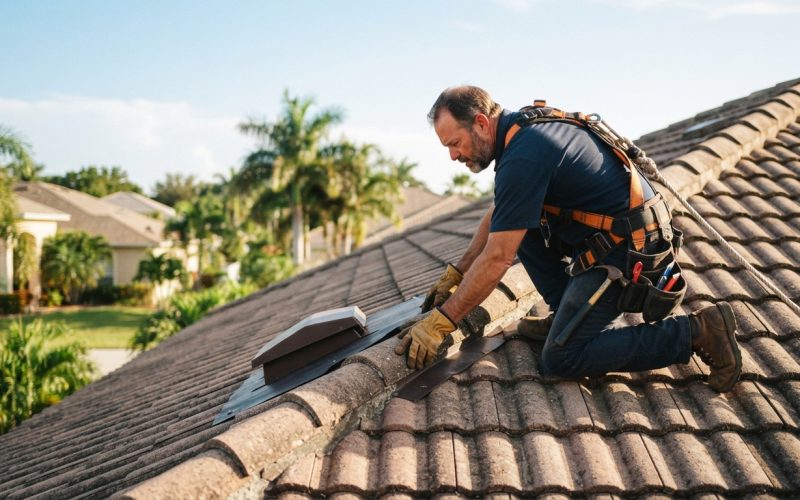
Roofing Wooster OH decisions typically start with identifying the home’s roof pitch, existing structure, and regional weather patterns before comparing material options. Northeast Ohio winters bring freeze-thaw cycles, ice damming, and occasional high winds, all of which influence which materials perform best over time. A roof that works well in a dry southern climate may not hold up the same way through an Ohio winter.
Common Roofing Materials and Their Tradeoffs
Most residential roofing falls into a handful of material categories, each with distinct performance characteristics.
• Asphalt shingles remain the most widely installed residential roofing material due to moderate cost and straightforward installation.
• Metal roofing offers strong resistance to snow load and wind uplift, with lifespans often exceeding traditional shingles.
• Architectural or dimensional shingles add extra durability and a layered appearance compared to standard three-tab shingles.
• Composite and synthetic materials mimic wood or slate while offering improved resistance to moisture and impact damage.
Each option carries different maintenance schedules, so homeowners should factor in long-term upkeep, not just the installed price.
Matching Roofing Systems to Climate and Roof Design
Roof slope and local weather exposure narrow the realistic material choices for a given home. Steeper roofs shed snow and water more efficiently, which can expand options, while lower-slope roofs require materials rated for standing water resistance.
According to the National Weather Service, winter storm systems across the Midwest can produce significant snow accumulation and ice formation on rooftops, which affects material selection and structural load considerations. Homes in Wooster, OH experience this seasonal freeze-thaw pattern regularly, making ice-dam resistance and proper attic ventilation practical priorities rather than optional upgrades.
Comparing Roofing Options at a Glance
| Material | Typical Lifespan | Best Suited For |
| Asphalt shingles | 15-30 years | Moderate climates, standard pitched roofs |
| Metal roofing | 40-70 years | Heavy snow load, high wind exposure |
| Architectural shingles | 25-30 years | Enhanced curb appeal, durability needs |
| Composite/synthetic | 30-50 years | Moisture resistance, historic home styles |
Lifespan figures vary based on installation quality, ventilation, and regional climate stress, so these ranges serve as general reference points rather than guarantees.
Evaluating Installation and Long-Term Maintenance
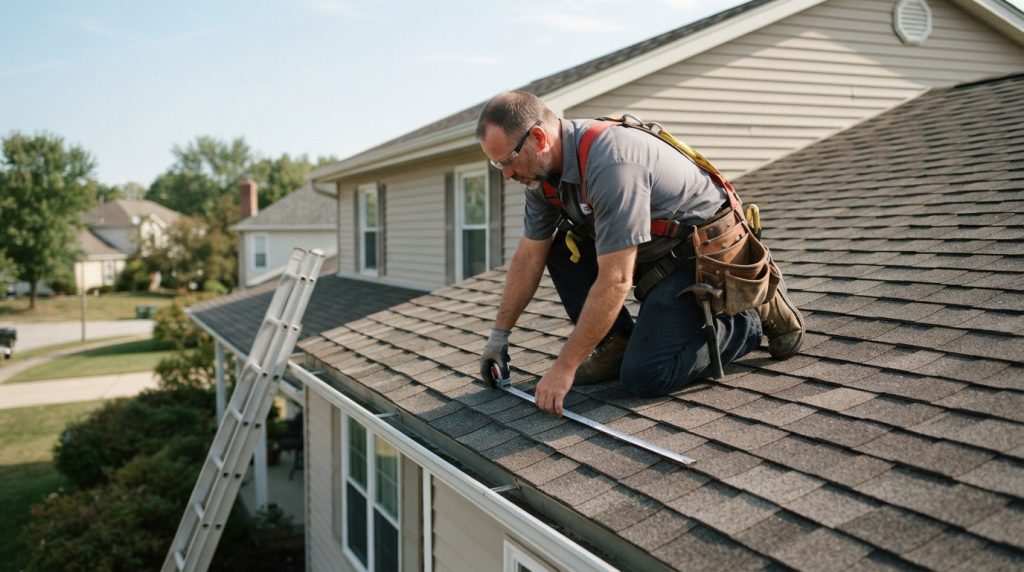
A roofing system’s actual performance depends heavily on installation quality, not material alone. Improper flashing, poor ventilation, or inadequate underlayment can shorten the lifespan of even premium materials.
1. Confirm the contractor inspects existing decking and structural support before installation.
2. Verify proper attic ventilation is included to reduce moisture buildup and ice damming.
3. Ask about flashing details around chimneys, vents, and valleys, since these areas fail first.
4. Request a maintenance schedule appropriate to the chosen material.
Based in USA, Wayne Siding serves customers across Wooster, OH, supporting homeowners comparing roofing materials suited to regional weather patterns.
Frequently Asked Questions
How long does a typical residential roof last? Lifespan depends on material choice, with asphalt shingles generally lasting 15 to 30 years and metal roofing often exceeding 40 years when properly installed and maintained.
What roofing material handles Ohio winters best? Metal roofing and architectural shingles generally perform well against snow load and ice formation, though proper attic ventilation matters as much as material selection for preventing ice dams.
Should roof inspections happen before choosing a replacement material? Yes, inspecting the existing structure, decking condition, and ventilation helps confirm which materials are structurally appropriate before committing to a specific roofing system.
Does roof pitch affect material options? Steeper roofs generally allow a wider range of material choices, while low-slope roofs require products specifically rated for standing water resistance.
Next Steps for Homeowners
Current service area details for Wayne Siding are published online for homeowners researching roofing options. Reviewing material comparisons alongside local climate data offers a practical starting point before scheduling a professional inspection.