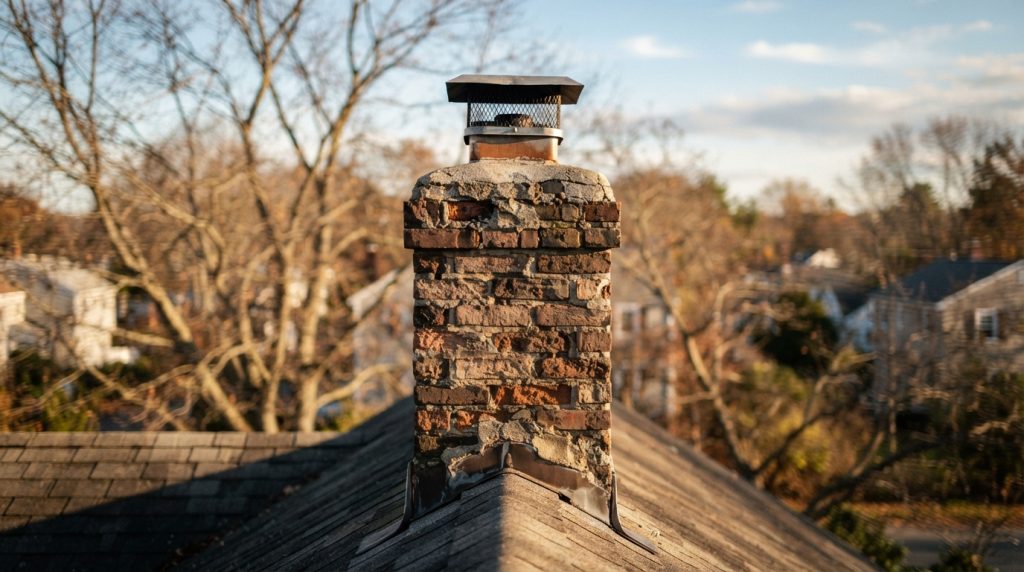
Simply put:
- Fireplace repair addresses issues like damaged liners, cracked crowns, leaky chimneys, and worn masonry that affect safety and performance.
- Annual inspection helps identify problems early, before they require costly structural work.
- Repair needs vary by fireplace type, from masonry wood-burning units to gas inserts and factory-built systems.
Fireplace repair refers to the diagnosis and correction of structural, venting, or component failures in a wood-burning, gas, or factory-built fireplace system. Common repairs include fixing leaky chimneys, replacing damaged liners, repairing cracked crowns, and restoring deteriorated masonry.
Homeowners searching for fireplace repair in Hainesville are usually responding to a visible problem: a smoky firebox, water stains near the chimney, a rusted cap, or a fireplace that has simply gone unused for years and needs evaluation before lighting another fire. Recognizing which symptoms point to minor maintenance versus more significant repair work helps homeowners make informed decisions before calling a professional.
Common Fireplace Problems and What They Signal
Fireplace issues rarely appear out of nowhere. Most trace back to water intrusion, age-related wear, or improper venting that worsens over time if left unaddressed.
- Rusty or damaged chimney caps: Often an early sign of a leaky chimney system that can allow moisture into the flue.
- Cracked crowns or mortar joints: Expose masonry to freeze-thaw cycles, which accelerate structural damage.
- Damaged flue liners: Create fire and carbon monoxide risks by allowing heat or gases to reach combustible materials.
- Smoke backing into the room: Can indicate a venting or draft problem tied to liner, damper, or chimney height issues.
Each of these conditions tends to compound with time. A small leak around a cracked crown, for example, can lead to interior masonry damage that is far more expensive to correct than the original crack would have been.
Inspection Before Repair: Why Sequence Matters
Repair decisions should follow a documented inspection rather than guesswork. According to the Chimney Safety Institute of America, chimney inspections often reveal hidden problems with a chimney structure that could be potentially hazardous, which is why evaluation typically precedes any repair recommendation.
Inspections generally fall into three recognized levels, each suited to different circumstances:
| Inspection Level | When It Applies | Typical Scope |
| Level 1 | Routine annual check, no system changes | Visual review of accessible components |
| Level 2 | Property sale, fuel change, or after a chimney fire | Includes video scanning of the flue interior |
| Level 3 | Suspected hidden damage from Level 1 or 2 findings | Examination of concealed structural areas |
For most homes in active use, a Level 1 inspection performed annually is sufficient unless a specific event, such as a severe storm or a change in heating appliance, triggers the need for a more detailed review.
Repair Categories Homeowners Should Know
Fireplace and chimney repair work generally falls into a few recognizable categories, each addressing a different failure point in the system.
- Masonry repair – repointing mortar joints, repairing cracked brick, and restoring crowns damaged by weather exposure.
- Liner and relining work – replacing deteriorated flue liners to restore safe venting for wood, gas, or oil appliances.
- Cap and chase top repair – addressing rusted or leaking components at the top of the chimney structure.
- Fireplace conversions and installations – updating older wood-burning units with gas log systems or inserts where structurally appropriate.
Older or long-unused fireplaces, including units that have been sealed for decades, sometimes require more extensive evaluation before any repair work begins, since structural conditions can change significantly over years of disuse.
Seasonal Considerations for Hainesville, IL Homeowners
Illinois winters bring freeze-thaw cycles that are particularly hard on exterior masonry and chimney crowns. In Hainesville, IL, homeowners often notice chimney issues most clearly in early fall, before the first cold snap puts a fireplace back into regular use.
Scheduling an inspection ahead of the heating season allows time for repairs to be completed before extreme cold makes exterior masonry work more difficult. Based in USA, Chimney Crafters serves customers across Hainesville, IL, applying documented inspection standards to determine whether a system needs cleaning, repair, or further evaluation.
Chimney Crafters, a fireplace and chimney service business, lists inspection, masonry repair, liner installation, and fireplace installation among its documented services.
Frequently Asked Questions
How often should a fireplace be inspected? Annual inspection is the general guideline for chimneys and fireplaces in active use, regardless of how frequently the appliance is actually used during a given season.
What causes a chimney to leak? Leaks commonly originate from damaged crowns, deteriorated flashing, or missing caps that allow rain and snowmelt into the flue structure.
Can an old, unused fireplace still be repaired? Many older fireplaces, including those sealed for extended periods, can be evaluated and restored, though the scope of repair depends on the condition found during inspection.
Is a gas fireplace exempt from inspection needs? No. Gas fireplaces still require venting system checks, since blockages or liner issues can affect safe operation regardless of fuel type.
Looking Ahead
Addressing fireplace problems early, starting with a documented inspection, tends to limit both the scope and cost of eventual repairs. Published service details for Chimney Crafters are available for homeowners reviewing options in the area.