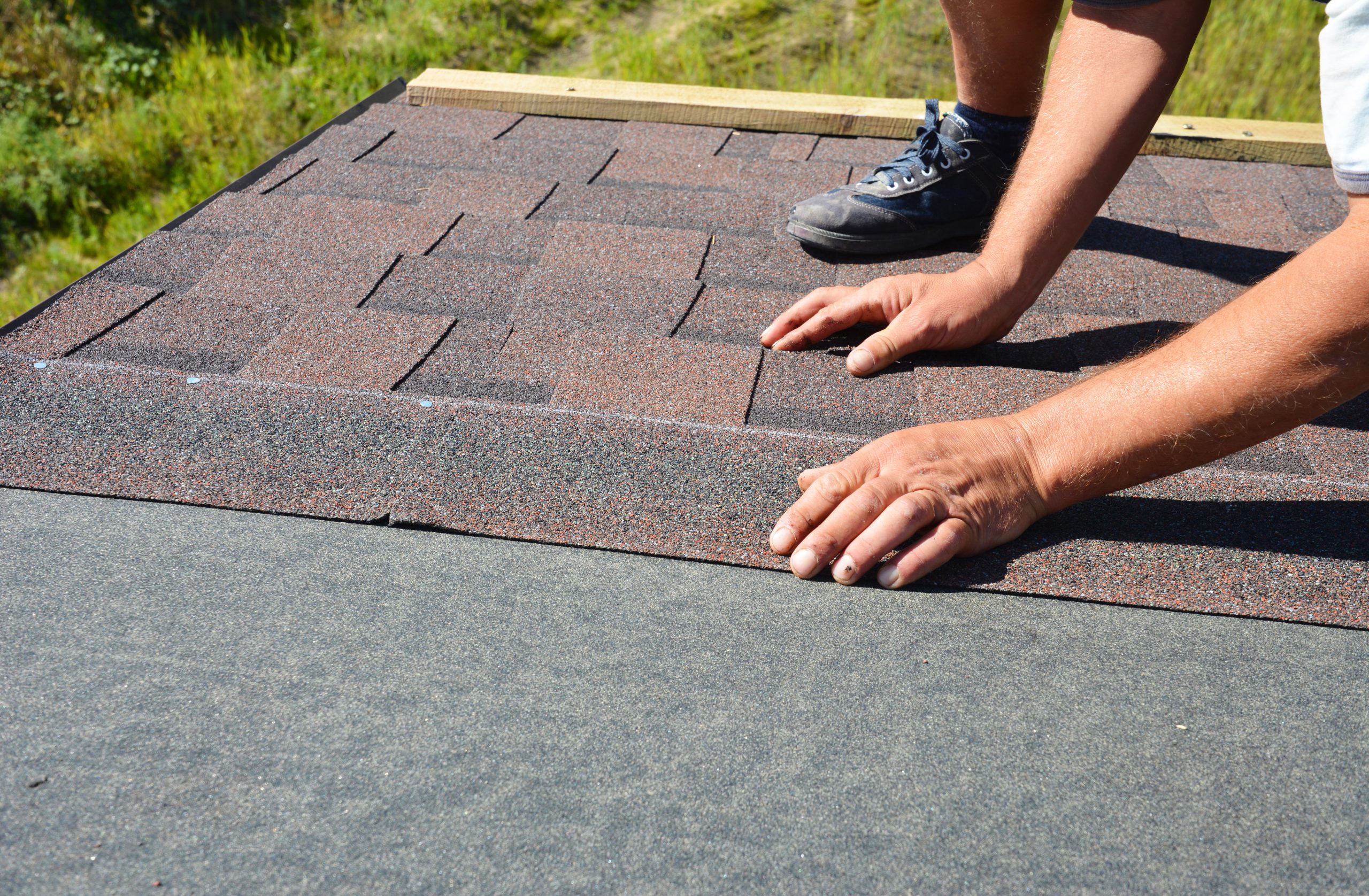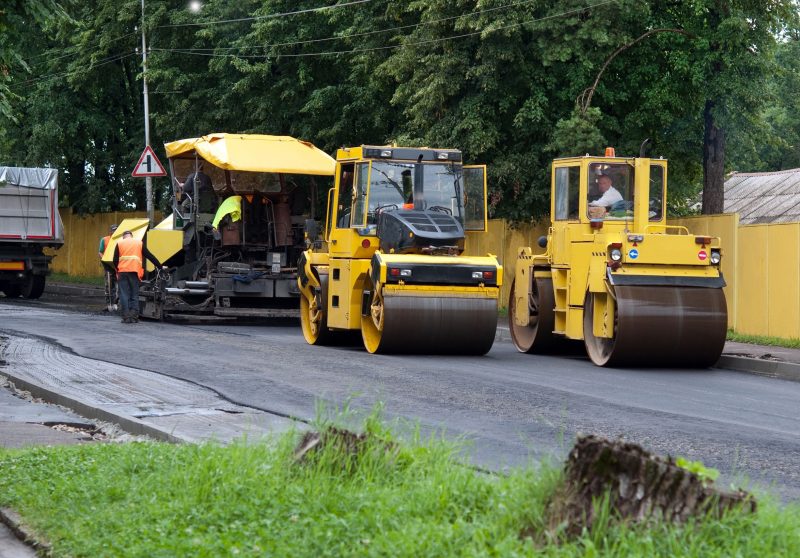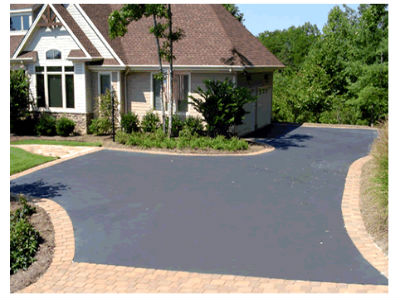
Asphalt-to-concrete joints are sealed by cleaning the gap, removing failed material, preparing the edges, and applying a flexible sealant designed to accommodate movement. Proper joint sealing helps reduce water intrusion, debris buildup, edge deterioration, and recurring parking lot repair problems around curbs, aprons, and walkways.
Commercial properties in Phoenix, AZ, often contain several transitions between asphalt and concrete. These areas may appear minor, but they can become vulnerable points because the two materials expand, contract, and carry loads differently.
Why Do Gaps Form Between Asphalt and Concrete?
Asphalt and concrete react differently to temperature changes, traffic, moisture, and soil movement. Asphalt is more flexible, while concrete is comparatively rigid.
During hot Phoenix weather, asphalt can expand and soften. When temperatures drop, it contracts. Concrete also moves, but not at the same rate or in the same way. This repeated movement can create a narrow separation where the materials meet.
Settlement may also contribute to joint failure. If the soil or base below one surface shifts, the asphalt and concrete may no longer remain level. The resulting gap can widen as vehicles, weather, and debris place additional stress on the edges.
Common joint locations include:
-
Concrete curbs beside parking areas
-
Sidewalk edges
-
Dumpster pads
-
Loading aprons
-
Drainage channels
-
Accessible ramps
-
Building entrances
-
Concrete drive approaches
-
Utility pads
These transitions should be evaluated as part of routine commercial asphalt maintenance.
Why Is Water Intrusion a Concern in Phoenix?
Phoenix receives less rainfall than many regions, but water can still enter pavement joints through storms, irrigation runoff, washing activities, plumbing leaks, and drainage problems.
Once water enters an open joint, it may reach the supporting material below the pavement. Fine particles can shift or wash away, gradually weakening the edge of the asphalt.
Traffic can then cause the unsupported pavement to crack, settle, or break apart. A small opening beside a curb may eventually become a larger asphalt repair issue if water repeatedly enters the same location.
Water can also carry dirt and vegetation into the joint. Plant growth may widen the opening and make future cleaning and sealing more difficult.
How Is an Asphalt-to-Concrete Joint Prepared?
Successful joint sealing begins with preparation. Applying sealant over dirt, vegetation, loose asphalt, or old failing material can prevent proper adhesion.
The joint must first be inspected to determine whether it is stable. If the asphalt edge is crumbling, sunken, or severely cracked, sealing alone may not be sufficient.
Loose material is removed from the opening. Dirt, stones, weeds, and deteriorated sealant must also be cleared. Depending on the condition of the joint, brushing, compressed air, or other cleaning methods may be used.
The sides of the joint should be dry and structurally sound before new material is installed. Moisture and contamination can weaken the bond between the sealant and the adjoining surfaces.
Professional asphalt crack repair should address both the visible opening and the surrounding pavement condition rather than simply covering the gap.
What Type of Material Is Used to Seal the Joint?
A flexible joint sealant is generally used because the connection must tolerate movement between the asphalt and concrete. A rigid filler may crack or separate as the two surfaces expand and contract.
The selected material should be compatible with both surfaces and suitable for the joint’s width, depth, traffic exposure, and temperature conditions. Manufacturer requirements must be followed for preparation, heating, application, and curing.
Some joints may require a backing material to control sealant depth and help create the proper shape. This prevents the joint from being overfilled and allows the sealant to stretch more effectively.
The finished seal should remain close to the surrounding surface elevation. Excess material can be tracked by tires or damaged by turning vehicles, while an underfilled joint may continue collecting water and debris.
When Is Joint Sealing Not Enough?
Joint sealing is intended for stable pavement with manageable separation. It cannot correct structural movement, deep settlement, or severe edge failure.
More extensive asphalt repair may be needed when:
-
The pavement has sunk below the concrete
-
The asphalt edge is loose or crumbling
-
Wide cracks extend away from the joint
-
Water regularly collects beside the concrete
-
The base material is exposed
-
Previous sealant repeatedly separates
-
Vehicles create visible movement at the joint
In these cases, the failed pavement may need to be removed and rebuilt. The underlying base should be inspected, corrected, and compacted before new asphalt is installed.
Concrete problems may also need attention. A broken curb, moving apron, or settled walkway can continue placing stress on the joint even after the asphalt is repaired.
How Are Joints Protected Around Loading and Service Areas?
Loading aprons, dumpster pads, and delivery routes experience heavier vehicle loads than standard parking stalls. Truck tires may cross the asphalt-to-concrete transition while turning, braking, or carrying significant weight.
These forces can push against the pavement edge and accelerate joint separation. A repair in a heavy-use area may therefore require a deeper inspection than a similar gap beside a low-traffic walkway.
Commercial property managers should monitor these locations for edge cracking, settlement, rutting, and loose aggregate. Early maintenance can help prevent the damage from spreading into the surrounding drive lane.
How Often Should Asphalt-to-Concrete Joints Be Inspected?
Joint inspections can be included in a broader commercial asphalt maintenance plan. Properties should review transition areas periodically and after major pavement, utility, concrete, or drainage work.
Narrow gaps are generally easier to clean and seal than wide openings with broken edges. Early attention can also reduce the likelihood that water will undermine the adjoining pavement.
Maintenance records should note the location of repaired joints, the condition found, and whether previous treatments have failed. Repeated separation may indicate movement below the surface rather than a sealant problem.
What Should Property Managers Ask Asphalt Repair Companies?
Before approving parking lot repair, property managers should ask whether the joint is stable, what preparation is required, and whether deeper pavement or concrete work is needed.
They should also confirm how traffic will be controlled, how long the material must cure, and how the finished transition will affect drainage and accessibility.
Companies such as ALK Asphalt LLC evaluate commercial pavement conditions throughout Phoenix and can determine whether a joint needs cleaning and sealing or more extensive repair. Their assessment should consider the asphalt, adjoining concrete, base support, traffic loads, drainage, and previous maintenance history.
Sealing asphalt-to-concrete joints is a relatively focused task, but it plays an important role in protecting pavement edges. When gaps around curbs, aprons, and walkways are prepared and treated correctly, commercial properties can reduce water intrusion, slow edge deterioration, and avoid larger parking lot repair needs.