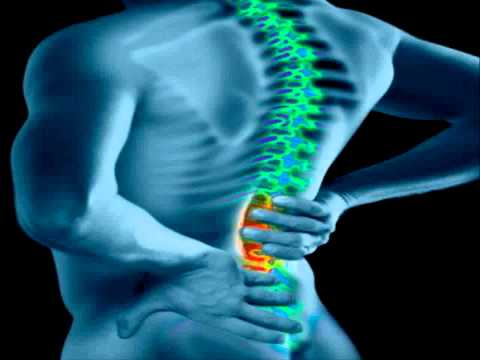
Repeated bending and lifting can increase stress on the spinal discs because these movements repeatedly compress, stretch, and load the structures between the vertebrae. When lifting technique, workload, recovery time, or spinal mobility is limited, the lower back may become more vulnerable to stiffness, localized pain, or symptoms that travel into the legs.
Disc-related back strain can affect people in many occupations and lifestyles. Warehouse employees, caregivers, construction workers, delivery drivers, parents, athletes, landscapers, and office workers may all perform repeated movements that place demand on the lower spine. In San Diego, CA, recreational activities such as surfing, cycling, hiking, weight training, and home improvement projects can also contribute when activity increases too quickly.
What Role Do Spinal Discs Play in Back Movement?
Spinal discs are flexible structures located between most of the vertebrae. Each disc has a softer inner section surrounded by a stronger outer layer.
The discs help absorb force, maintain space between vertebrae, and allow the spine to bend, rotate, and respond to everyday movement. They are designed to tolerate normal physical activity, but repeated loading without sufficient recovery may irritate the disc or nearby tissues.
A disc does not need to be severely damaged for a person to experience discomfort. Changes in disc pressure, surrounding muscle tension, restricted joint movement, or inflammation may all contribute to symptoms.
Disc-related pain may remain in the lower back or extend into the buttock, thigh, calf, or foot when nearby nerve structures become irritated.
Why Does Bending Place Stress on the Lower Back?
Bending forward changes the distribution of pressure within the lumbar spine. When the movement comes primarily from the lower back instead of being shared by the hips and knees, the spinal discs and supporting muscles may carry more of the load.
A single forward bend is usually manageable for a healthy spine. The concern often involves repetition, added weight, awkward positioning, or fatigue.
Examples include repeatedly picking objects up from the floor, unloading boxes, leaning into a car, lifting children, gardening, or working at a surface that is too low. As the muscles become tired, movement control may decrease, and the person may rely more heavily on the lower back.
Bending combined with twisting can create additional strain because the spine must manage movement in more than one direction while under load.
How Does Lifting Increase Disc-Related Strain?
Lifting adds external weight to the force already being managed by the spine. The farther an object is held from the body, the greater the mechanical demand placed on the lower back.
An object does not have to be extremely heavy to cause irritation. Repeatedly lifting moderate loads, especially while tired or rushed, may be enough to trigger symptoms.
Risk may increase when a person:
-
Lifts with the object far from the body
-
Twists while carrying or setting down a load
-
Bends primarily through the waist
-
Makes sudden or jerking movements
-
Repeats the same task without breaks
-
Lifts more than their current conditioning allows
-
Returns to heavy activity after a period of inactivity
Previous back injuries, limited hip mobility, poor sleep, and reduced trunk endurance may also affect how well the body tolerates repeated lifting.
What Symptoms May Be Associated with Disc Irritation?
Disc-related symptoms can vary. Some people experience a dull ache or pressure in the lower back, while others notice sharp pain during bending, lifting, coughing, or transitioning from sitting to standing.
Possible symptoms include stiffness after sitting, pain that increases when leaning forward, muscle spasms, discomfort in the buttocks, or pain traveling into one leg. Numbness, tingling, or weakness may occur when a spinal nerve is affected.
These symptoms do not automatically confirm a disc problem. Joint irritation, muscle strain, hip conditions, and other health concerns can create similar discomfort.
A professional evaluation is important when symptoms persist, repeatedly return, or begin affecting walking, sleep, work, or exercise.
Can Better Lifting Habits Reduce Back Strain?
Improving lifting mechanics may reduce unnecessary demand on the lower back. The goal is not to keep the spine completely rigid, but to distribute movement and force more efficiently.
When possible, the object should be brought close to the body before lifting. Bending through the hips and knees can allow the legs to contribute more to the movement.
Turning with the feet rather than twisting through the lower back may also reduce strain. Large or awkward objects may require assistance, lifting equipment, or a different approach.
Workload progression matters as well. Someone returning to exercise, manual work, or home projects may need to increase volume gradually rather than completing several hours of repetitive lifting at once.
Regular movement breaks can help reduce fatigue and allow the body to change positions before stiffness builds.
When May Decompression Therapy for Back Pain Be Considered?
Decompression therapy for back pain may be considered when an evaluation suggests that disc-related pressure or nerve irritation is contributing to the symptoms. This treatment uses a specialized table to apply controlled traction to the spine.
The traction typically alternates between gentle pulling and relaxation phases. The objective is to reduce mechanical pressure and support a more comfortable environment around the affected spinal area.
Non-surgical back decompression is not the same as forceful stretching or a sudden adjustment. Treatment settings can be modified according to the patient’s body position, symptom response, spinal region, and tolerance.
Chiropractic spinal decompression may be used as one part of a broader conservative care plan. Activity modification, movement guidance, and gradual return to lifting may also be necessary to address the habits that contributed to the irritation.
Best Life Chiropractic provides information about their San Diego approach to Decompression Back Therapy, including how patients are evaluated before treatment recommendations are made.
Is Decompression Therapy Appropriate for Every Back Condition?
Decompression therapy for back symptoms is not appropriate for everyone. Certain fractures, severe osteoporosis, spinal instability, infections, tumors, advanced neurological problems, and some previous spinal procedures may require another approach.
A provider should review the patient’s medical history, symptom location, movement limitations, and examination findings before recommending treatment. Available imaging may also be reviewed when clinically relevant.
Patients should seek prompt medical attention when back pain occurs with loss of bladder or bowel control, numbness around the groin, rapidly progressing weakness, fever, significant trauma, or unexplained weight loss.
How Can Future Lifting-Related Flare-Ups Be Reduced?
Reducing future strain often requires more than avoiding one painful movement. It may involve improving hip mobility, building lifting tolerance gradually, changing workstation height, strengthening supporting muscles, and taking breaks during repetitive tasks.
People should also pay attention to early warning signs such as increasing stiffness, reduced movement, or symptoms that begin traveling into the leg. Continuing to lift through worsening pain may increase irritation and prolong recovery.
Repeated bending and lifting are common parts of work, exercise, and daily life. Understanding how these movements affect the spinal discs can help San Diego residents make informed decisions about activity modification, evaluation, and whether decompression therapy for back pain may be appropriate.