Briefly:
- Commercial mold remediation addresses hidden moisture sources, removes contaminated materials, and restores indoor air quality in office and retail spaces.
- Untreated mold growth can affect employee health, building materials, and operational continuity.
- Honolulu, HI’s humid climate makes routine inspection and prompt remediation a practical part of facility maintenance.
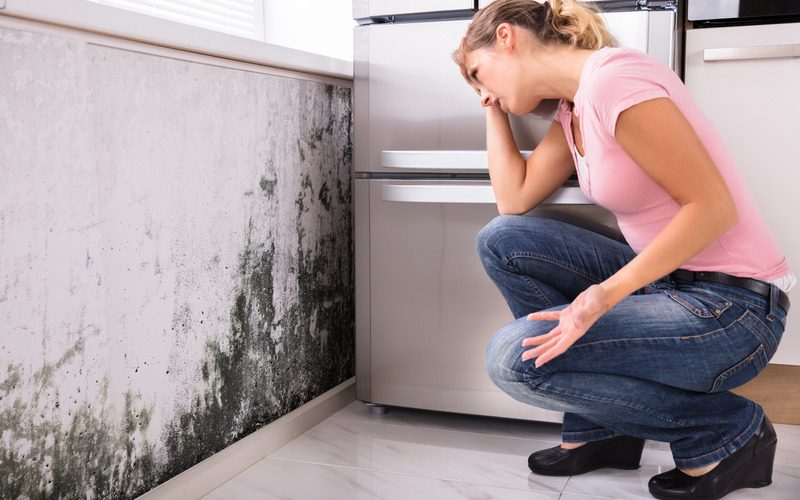
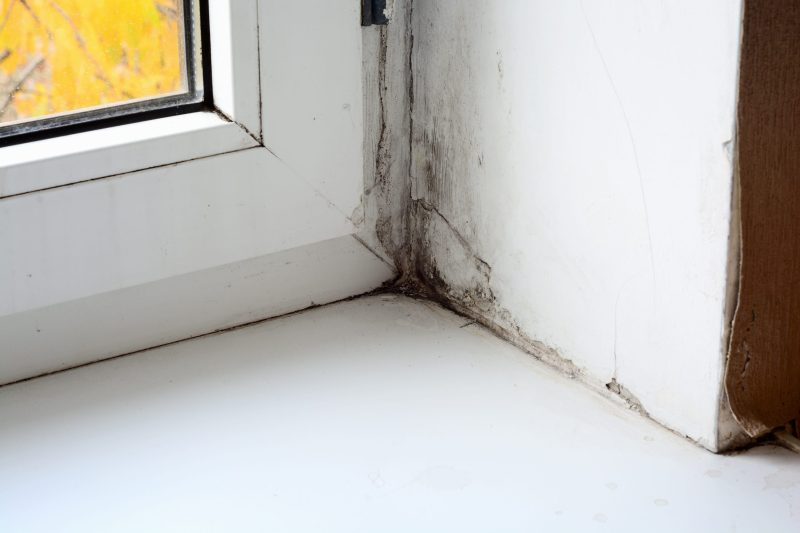
A professional commercial mold remediation service identifies the moisture source behind fungal growth, contains affected areas, and removes contaminated materials to restore safe indoor air quality in a workplace. For business owners managing office buildings, warehouses, or retail spaces, mold is not simply a cosmetic issue. It signals a moisture problem that, left unaddressed, can compromise structural materials and indoor air over time.
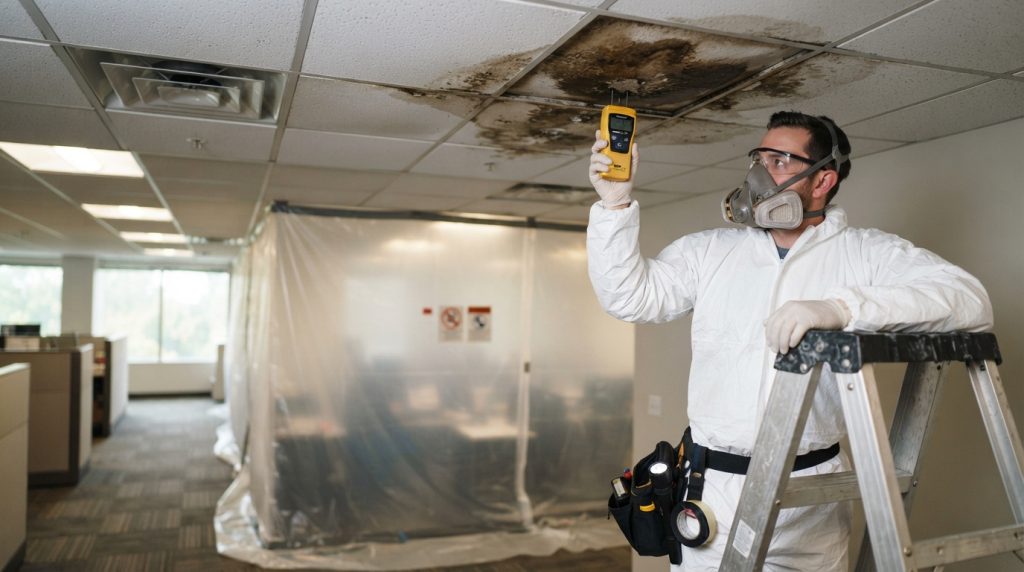
A reliable commercial mold remediation Service typically begins with an inspection to locate active moisture intrusion, whether from roof leaks, plumbing failures, or poor ventilation. Technicians then isolate the affected zone, remove porous materials that cannot be cleaned, and apply antimicrobial treatments before verifying the space meets acceptable air quality standards. This process protects both the physical structure and the people who work inside it daily.
Why Commercial Spaces Face Unique Mold Risks
Office buildings, restaurants, and retail stores often have HVAC systems, plumbing runs, and storage areas that are harder to inspect than a typical residence. Mold can spread through ductwork and wall cavities before anyone notices a visible patch. Commercial leases, insurance policies, and employee health considerations add layers of complexity that residential mold cases rarely involve.
In Honolulu, HI, consistently high humidity and tropical rainfall patterns create conditions favorable to mold growth in commercial structures, particularly in buildings with older plumbing or inadequate dehumidification. The Environmental Protection Agency notes that mold growth requires moisture, and controlling indoor humidity is a primary method of prevention. Facility managers in coastal and tropical markets often schedule more frequent moisture checks than those in drier climates.
What the Remediation Process Typically Involves
A structured remediation project generally follows these stages:
- Assessment – identifying the extent of contamination and the moisture source feeding it.
- Containment – sealing off the affected area to prevent spores from spreading to clean parts of the building.
- Removal – discarding drywall, insulation, or flooring that cannot be salvaged.
- Cleaning and treatment – applying antimicrobial solutions to remaining surfaces.
- Drying and verification – confirming moisture levels have returned to normal before reoccupying the space.
Each stage matters for long-term results. Skipping containment, for example, can allow spores to migrate through air handling systems into unaffected offices or storage rooms.
Comparing Remediation Approaches
| Approach | Typical Scope | Best Suited For |
| Spot treatment | Small, isolated surface mold | Minor bathroom or kitchenette growth |
| Partial remediation | Single room or HVAC zone | Localized leaks or roof intrusion |
| Full-building remediation | Multiple rooms, shared ductwork | Widespread moisture events or flooding |
Choosing the right scope depends on how far moisture has traveled, not just where mold is visible. A professional assessment helps determine which category a given situation falls into before work begins.
Protecting Employee Health and Business Continuity
Prolonged exposure to mold in enclosed workspaces has been associated with respiratory irritation and allergic responses in sensitive individuals, according to public health guidance from the Centers for Disease Control and Prevention. Addressing contamination promptly reduces the chance of employee complaints, lost workdays, or disputes over workplace safety conditions. It also limits the risk of closing sections of a building for extended repairs, which can disrupt operations and revenue.
Based in USA, Legacy Mold & Remediation serves customers across Honolulu, HI, supporting facility managers who need documented, methodical remediation work for commercial properties.
Frequently Asked Questions
How long does commercial mold remediation take? Timelines vary by scope. A single-room project may take a few days, while full-building remediation involving multiple zones can extend to several weeks depending on material removal and drying requirements.
Can employees stay in the building during remediation? This depends on containment effectiveness and the size of the affected area. Many projects allow continued occupancy in unaffected zones once proper containment barriers are in place.
What causes mold in commercial buildings in humid climates? Common sources include roof leaks, condensation on HVAC components, plumbing failures, and insufficient ventilation, all of which are more frequent concerns in consistently humid regions.
Is mold remediation covered by commercial insurance? Coverage depends on the policy and the cause of the moisture intrusion. Building owners typically need to review their specific commercial property policy to confirm what is included.
Legacy Mold & Remediation maintains a Google Business Profile listing operational details relevant to the local service area.
Final Considerations
Mold issues in commercial buildings rarely resolve on their own, and delayed action tends to increase both remediation costs and potential health concerns for occupants. Facility managers who schedule regular moisture inspections, particularly in humid coastal markets, are better positioned to catch problems before they spread through shared ventilation or structural cavities.
Current service area information for Legacy Mold & Remediation is published for reference by facility managers evaluating remediation options.