-
Regular roof inspections catch small problems before San Francisco’s coastal weather turns them into costly structural damage.
-
Roofing maintenance services — including inspections, repairs, and gutter upkeep — are among the most effective ways to extend a roof’s service life.
-
Scheduling inspections at least once a year, and twice for older roofs, is the standard most roofing professionals recommend for Bay Area homes.
Routine roof inspections are one of the most practical investments a San Francisco homeowner can make. The city’s combination of coastal fog, salt air, seasonal atmospheric river storms, and aging housing stock creates conditions that accelerate roof wear faster than most homeowners expect.
Staying ahead of that wear is exactly what residential roofing maintenance in San Francisco CA is designed to accomplish. A professional inspection identifies deteriorating materials, compromised flashing, and drainage issues before they escalate into water intrusion or structural damage — problems that are far more expensive to fix than the conditions that caused them.
Why San Francisco’s Climate Demands More Frequent Inspections
San Francisco’s microclimate is unusually hard on roofing systems. Constant exposure to fog, salt air, wind, and fluctuating temperatures gradually wears down roofing materials. Temperature fluctuations and UV exposure cause expansion and contraction in roofing materials, and over time this movement weakens seals and joints.
Neighborhood location also matters. In neighborhoods like Outer Sunset or Twin Peaks, fog and high winds accelerate wear, while in older districts such as Pacific Heights and the Mission, historic framing and aging underlayment demand closer attention.
Leaks following heavy rains are the most common trigger for roof inspections, but a leak may only be symptomatic of a more serious problem — rotting wood, mold, corrosion, or wet insulation — that has been developing for some time.
How Often Should San Francisco Homeowners Schedule Inspections?
The National Roofing Contractors Association recommends that all building owners and homeowners schedule roof system inspections at least twice per year, in spring and fall. For San Francisco properties specifically, timing those inspections around the rainy season makes practical sense.
Frequency should also scale with a roof’s age:
|
Roof Age |
Recommended Frequency |
|
Under 10 years |
Once per year |
|
10-20 years |
Annual plus post-storm assessment |
|
Over 20 years |
Twice per year minimum |
|
After major storm or seismic event |
Immediate additional inspection |
Newer roofs under ten years old generally benefit from one inspection per year, roofs between ten and twenty years old often require an annual check plus a post-storm assessment, and roofs over twenty years old typically need inspections twice per year.
After heavy wind events or atmospheric river storms, an additional review should be scheduled to ensure flashing and drainage remain secure.
What a Professional Roof Inspection Covers
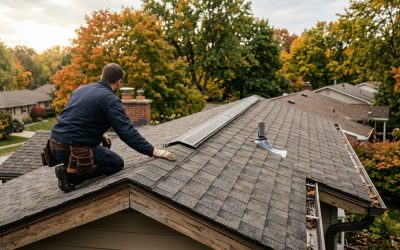
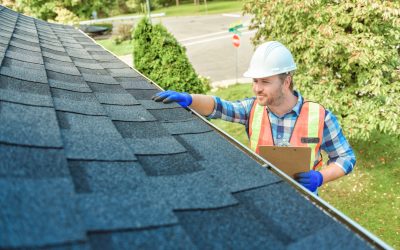
A thorough inspection goes well beyond a visual scan from the ground. Qualified roofers examine several interconnected systems:
-
Roofing material condition: shingle granule loss, cracking, curling, blistering, or missing sections
-
Flashing integrity at chimneys, vents, and wall junctions
-
Gutter and downspout function and attachment
-
Attic ventilation and signs of moisture infiltration
-
Flat or low-slope membrane condition, where applicable
Roof system maintenance is often the most neglected area of a roof management program, yet it is the single most important factor — after proper installation — for determining the life span and cost of a roof system.
A full-service roofing company performs a variety of services that include maintenance programs, design-build projects, consulting, and inspection services in addition to traditional roofing work required by homeowners and building owners. Gutters and downspout repairs and installations are also part of a complete maintenance offering.
Frequently Asked Questions
What does a residential roof inspection typically check in San Francisco? Inspectors evaluate roofing material condition, flashing, gutters, downspouts, attic ventilation, and any flat or low-slope membrane areas. A thorough residential roof inspection typically takes 45 minutes to 1.5 hours, depending on roof size, complexity, and accessibility.
Is one inspection per year enough for an older San Francisco home? Not always. Most homes require an annual professional evaluation, with biannual checks recommended for older roofs or properties in high-exposure zones.
What roofing services support ongoing maintenance beyond inspections? A full-service roofing company typically covers roof repairs, new roof installations, flat roofing, guttering, maintenance, and roof surveys. Chimney flashing repairs, reroofing, and sheet metal work are also common maintenance-related services.
When is the best time of year to schedule an inspection in San Francisco? The best time for a San Francisco roof inspection is September through October, before the rainy season begins. A follow-up in April after the rains conclude is also advisable.
For homeowners ready to schedule a professional evaluation, Anderson Roofing & Sheet Metal Company serves residential, apartment, and condominium clients throughout San Francisco and the surrounding Bay Area. The company offers free consultations and covers the full range of roofing and sheet metal services — from inspections and routine maintenance to repairs and full reroof projects.