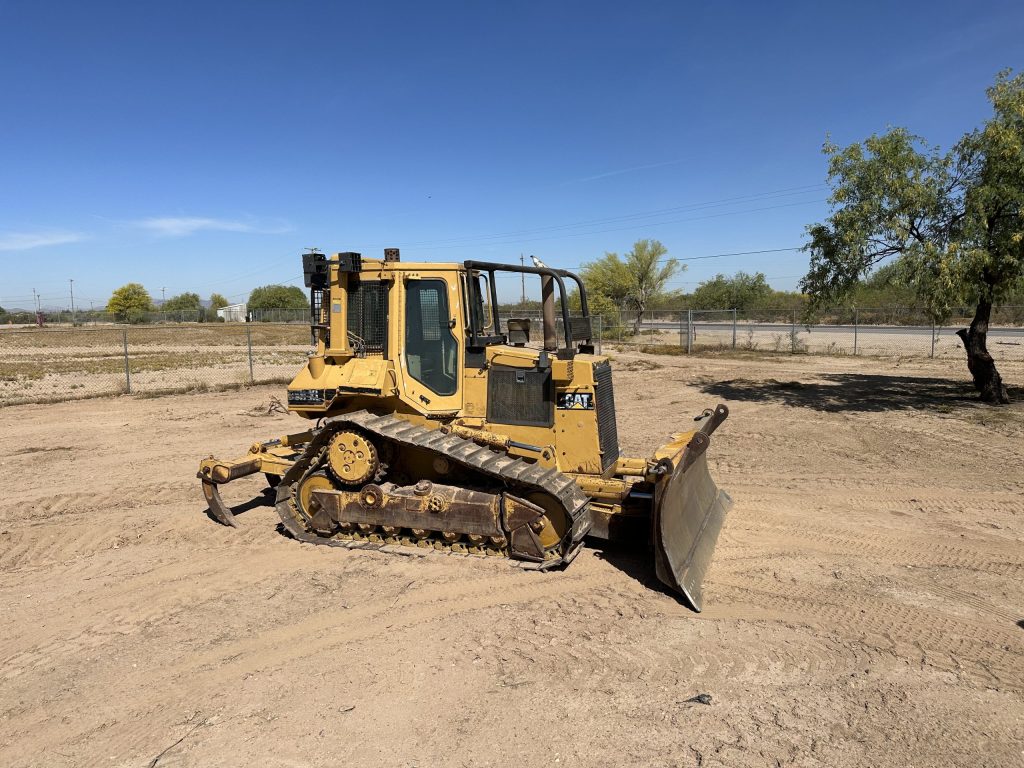
Routine greasing helps prevent heavy equipment breakdowns by reducing friction between moving parts, limiting metal-on-metal wear, and protecting pins, bushings, joints, and bearings from premature damage. For contractors in Maricopa County, AZ, consistent lubrication is one of the simplest ways to support equipment reliability before small wear issues turn into major heavy equipment repair needs.
Construction equipment works under constant pressure. Machines lift, dig, push, load, grade, travel over rough soil, and operate in dusty conditions for long hours. Every movement puts stress on contact points. Without enough grease, parts that should move smoothly begin grinding against each other. Over time, that friction can cause heat, scoring, loose joints, seized components, and avoidable downtime.
For crews managing earthwork, grading, trenching, roadwork, utilities, or site preparation, greasing should not be treated as a minor checklist item. It is part of protecting production time and reducing the risk of heavy construction equipment repair.
Why Is Greasing So Important for Heavy Equipment?
Grease creates a protective layer between moving parts. This layer helps reduce friction, repel dirt and moisture, and cushion components that experience heavy load pressure. Unlike oil, grease stays in place longer and is commonly used on joints, pivot points, pins, bushings, bearings, and attachment connections.
Heavy equipment often works in harsh environments. In Maricopa County, AZ, heat, dust, dry soil, and long operating hours can increase wear. If grease dries out, becomes contaminated, or is not applied often enough, parts lose protection. Once that happens, movement becomes rougher, parts loosen faster, and repairs become more likely.
Good lubrication habits help equipment move as intended. They also give operators a chance to inspect key areas before problems become more serious.
What Parts Need Routine Greasing?
Different machines have different grease points, but many pieces of heavy equipment share similar lubrication needs. Excavators, loaders, dozers, graders, forklifts, and other construction machines often require grease at pivot joints, lift arms, buckets, cylinders, swing points, steering joints, and attachment pins.
For excavators, common grease areas include the boom, arm, bucket linkage, swing bearing, and attachment points. For loaders, grease points may include lift arms, bucket pins, steering joints, and cylinder ends. Dozers and graders may need lubrication around blade controls, linkage points, and other moving assemblies.
The machine’s service manual should always guide lubrication intervals and grease type. Using the wrong grease or skipping required points can reduce protection and lead to heavier wear.
How Does Lack of Grease Lead to Breakdowns?
When parts are not properly greased, friction increases. This can cause metal surfaces to scrape, overheat, and wear down. Pins and bushings may become loose, joints may develop play, and moving parts may start making noise during operation.
At first, the signs may seem minor. Operators may notice squeaking, popping, grinding, stiff movement, or delayed response. If the machine continues working without proper lubrication, the damage can spread. A worn bushing can affect pin alignment. A damaged pin can stress nearby components. A seized joint can stop work completely.
Many heavy equipment repair issues begin with small maintenance gaps. Routine greasing helps slow this process and gives crews a better chance to catch wear before it affects the entire machine.
What Are the Warning Signs of Poor Lubrication?
Operators should pay attention to how the machine sounds, feels, and moves. Poor lubrication may cause squealing, creaking, popping, grinding, or clunking sounds. Movement may feel rough, stiff, or uneven. Attachments may not respond as smoothly, and joints may show visible looseness.
Other warning signs include dry grease fittings, rust around pins, excess heat near moving parts, metal shavings, cracked seals, or grease mixed with dirt and debris. If grease pushes out in a gritty or contaminated form, the area may need cleaning and inspection before more grease is applied.
A machine that suddenly becomes harder to control should be checked before it is pushed through another full shift. Continuing to operate with dry or damaged joints may increase repair costs.
How Often Should Heavy Equipment Be Greased?
Greasing frequency depends on the machine, workload, conditions, and manufacturer guidance. Equipment used daily may need lubrication more often than machines used occasionally. Equipment working in dusty, hot, wet, or abrasive conditions may also need more frequent attention.
Maricopa County jobsites often involve dust, heat, and dry soil. These conditions can pull moisture from grease, allow debris to collect around fittings, and increase wear on exposed moving parts. Contractors should build lubrication checks into daily or pre-shift routines when equipment is being used heavily.
A consistent schedule is better than waiting for symptoms. Once noise or stiffness appears, wear may already be underway.
Why Should Grease Fittings Be Kept Clean?
Grease fittings can collect dust, mud, and debris. If a dirty fitting is greased, contaminants may be pushed into the joint. This can reduce lubrication quality and increase wear inside the component.
Before applying grease, operators should wipe the fitting clean. They should also inspect the fitting for damage, blockage, or looseness. If grease does not flow properly, the fitting may be clogged or the joint may need attention.
Clean fittings help grease reach the right location. They also make maintenance more effective and reduce the chance of pushing grit into sensitive moving parts.
How Does Routine Greasing Support Repair Planning?
Routine greasing does more than protect parts. It also creates an opportunity to inspect equipment before the next job. During greasing, crews can look for leaks, cracked hoses, loose pins, worn bushings, damaged seals, unusual movement, and early signs of failure.
This helps contractors plan service before a breakdown interrupts work. If wear is identified early, repair can often be scheduled at a better time. If the issue is ignored, the machine may fail during digging, grading, lifting, or hauling.
Preventive maintenance does not eliminate every repair need, but it can reduce avoidable damage and make heavy construction equipment repair more predictable.
Keep Equipment Moving With Better Lubrication Habits
Routine greasing is a small task with a major impact on equipment life, jobsite productivity, and repair control. For contractors managing equipment in Maricopa County, AZ, consistent lubrication can help reduce wear, protect moving parts, and limit costly downtime. When equipment shows signs of damage, schedule heavy construction equipment repair in Arizona before minor issues interrupt the next project.