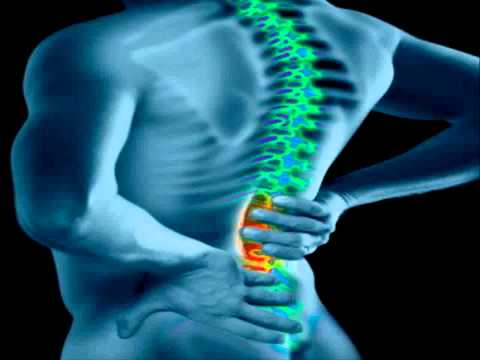
Spinal alignment refers to the positioning and relationship of the vertebrae, joints, muscles, and surrounding structures that help the body move efficiently. When spinal movement is affected by posture, repetitive stress, or physical demands, corrective chiropractic approaches may help support better mobility and overall function.
The spine plays a central role in nearly every movement people perform. From walking and exercising to sitting at a desk or lifting objects, the body relies on coordinated movement between the spine, joints, and muscles. Understanding how spinal alignment influences daily activities can help individuals make informed decisions about their physical health.
Why Does Spinal Alignment Matter for Movement?
The spine provides support, stability, and flexibility for the entire body. It protects the spinal cord while allowing movement through different positions and activities.
When the spine and surrounding structures are functioning well together, movements can feel more natural and efficient. However, factors such as prolonged sitting, repetitive motions, previous injuries, and poor movement habits may contribute to changes in how the body moves.
These changes do not always create immediate symptoms. Some individuals may notice stiffness, reduced flexibility, or changes in their ability to perform certain activities before experiencing more noticeable discomfort.
Maintaining awareness of posture, mobility, and movement patterns can help support long-term spinal health.
How Can Spinal Alignment Affect Physical Performance?
Physical performance depends on how effectively the body coordinates strength, flexibility, balance, and movement. Whether someone participates in sports, exercises regularly, or performs physical tasks at work, spinal function can influence how the body responds to these demands.
Limited mobility in one area may cause other areas to compensate. For example, changes in spinal movement may influence how the hips, shoulders, or other joints move during activities.
A balanced approach to movement considers the entire musculoskeletal system rather than focusing only on isolated areas. This is one reason many individuals explore chiropractic care as part of their overall wellness routine.
What Is Corrective Chiropractic Care?
Corrective chiropractic focuses on identifying movement patterns and functional concerns that may contribute to ongoing limitations. Instead of only addressing temporary discomfort, this approach considers how posture, joint mobility, and spinal function interact.
A chiropractor may evaluate:
-
Spinal movement patterns
-
Postural habits
-
Joint mobility
-
Muscle balance
-
Daily activities that place stress on the body
Based on these findings, a personalized chiropractic plan may include techniques such as a chiropractic adjustment and recommendations designed to support healthier movement patterns.
Corrective chiropractic does not mean changing the body’s natural structure instantly. Instead, it focuses on supporting improved function through consistent evaluation and individualized care.
How Does Chiropractic Care Support Spinal Function?
Chiropractic care focuses on the relationship between the spine, nervous system, joints, and surrounding tissues. A chiropractic adjustment involves controlled manual techniques intended to support joint movement and function.
When appropriate, adjustments may be used as part of a broader approach that considers lifestyle, activity levels, and mobility goals.
A comprehensive evaluation helps determine which areas may need attention. This allows care recommendations to be based on an individual’s needs rather than a general approach.
Individuals interested in learning more about how spinal health relates to movement may explore information about spine care chiropractic and how comprehensive approaches address spinal concerns.
Can Daily Habits Influence Spinal Alignment?
Daily routines can have a significant impact on how the body moves. Modern activities such as computer work, driving, and extended periods of sitting can place different demands on the spine and supporting muscles.
Common habits that may influence movement patterns include:
-
Sitting for long periods without movement breaks
-
Repetitive workplace motions
-
Improper lifting techniques
-
Limited physical activity
-
Sudden changes in exercise routines
Improving awareness of these habits can help individuals make adjustments that support healthier movement patterns.
Why Is Mobility Important for Everyday Activities?
Mobility affects more than athletic performance. It plays a role in simple activities such as reaching, bending, walking, and maintaining comfortable posture throughout the day.
Reduced mobility may make everyday movements feel more challenging. Supporting joint and spinal function can help individuals remain active and continue participating in activities that are important to them.
A chiropractic center may provide guidance on movement patterns and help individuals better understand factors that influence their physical function.
How Do Chiropractors Evaluate Movement Patterns?
Before recommending care, chiropractors typically consider multiple factors related to spinal and joint function. This may include reviewing health history, discussing symptoms, observing movement, and assessing areas of restricted mobility.
This evaluation process helps identify potential contributors to movement challenges and determines whether chiropractic techniques may be appropriate.
A chiropractic adjustment is only one component of a broader approach. Long-term mobility often involves a combination of healthy movement habits, physical activity, and awareness of how the body responds to daily demands.
Supporting Better Movement Through Spinal Care
Spinal alignment plays an important role in how the body moves and performs during everyday activities. Understanding the connection between posture, mobility, and spinal function can help individuals take a more proactive approach to their physical health.
Through spine care chiropractic, corrective chiropractic approaches, and personalized chiropractic care, individuals can better understand how their movement patterns affect overall function.
For those in Irvine, CA, learning about spinal health and available care options can be a valuable step toward supporting long-term mobility, comfort, and physical performance.