Recap:
- Choosing an apartment complex in Washington, DC means weighing location, income-eligibility rules, unit layout, and building amenities together, not separately.
- DC’s rental market has softened recently, giving renters more leverage on pricing and move-in incentives.
- Income-restricted and affordable housing options exist in several central neighborhoods, widening access for qualified renters.
Finding the right place to live in the District means balancing budget, commute, and lifestyle against a market that shifts by the month. The short answer: start with your must-haves (budget ceiling, commute radius, pet policy, income eligibility) before touring, then compare buildings against those filters rather than chasing the flashiest listing photos.
Renters researching an Apartment Complex in Washington, DC are usually weighing more than square footage. They are trying to figure out which neighborhoods offer realistic commute times, which buildings have income-based pricing, and which amenities actually matter for daily life versus marketing copy. Getting clear on those priorities early saves time during an already time-consuming apartment search.
Start With Budget and Eligibility, Not Amenities
Rent in the District has been easing compared to prior years, which changes the math for new renters.
- DC’s year-over-year median rent recently dropped noticeably, giving renters more negotiating room than in past cycles, according to recent market reporting.
- The Greater Washington DC multifamily market ended 2025 with a 5.2% vacancy rate after developers delivered about 14,300 units during the year.
- The rental vacancy rate for the District of Columbia was 7.9 percent in 2025, per the U.S. Census Bureau, up from prior years.
Higher vacancy generally means more availability and more flexible terms. Before touring, confirm whether a property offers income-restricted units, since affordable and income-restricted 1, 2, and 3 bedroom apartments for rent exist at several Washington, DC addresses and typically require income documentation during application.
Match the Neighborhood to Your Daily Routine
Location drives almost every other decision once budget is set.
- Commute access: Buildings near Metro stations cut down on transportation costs and time.
- Walkability: Dense neighborhoods with restaurants, grocery stores, and transit within a mile reduce the need for a car.
- Noise and foot traffic: Lively commercial corridors are convenient but can mean more street noise than quieter residential blocks.
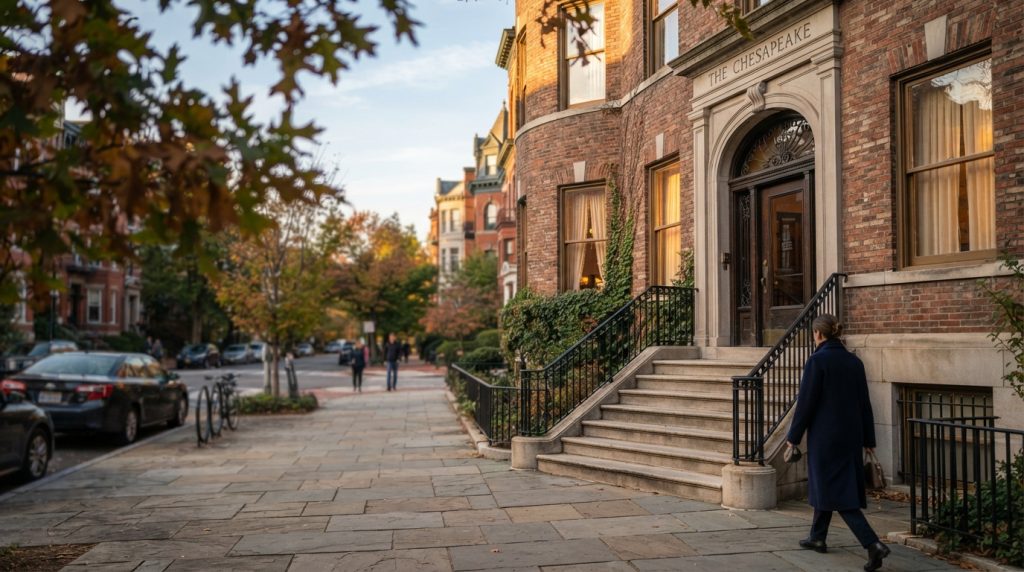
Properties in neighborhoods like Logan Circle or Shaw tend to combine walkability with dining and entertainment access, which matters for renters who prioritize car-free living over suite size.
Compare Unit Types and Building Features
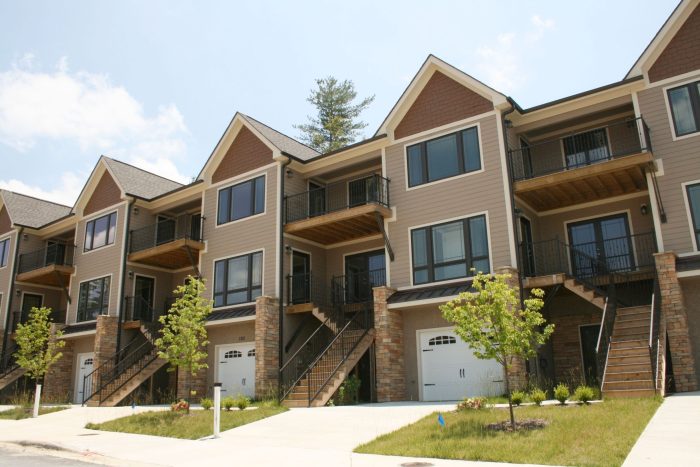
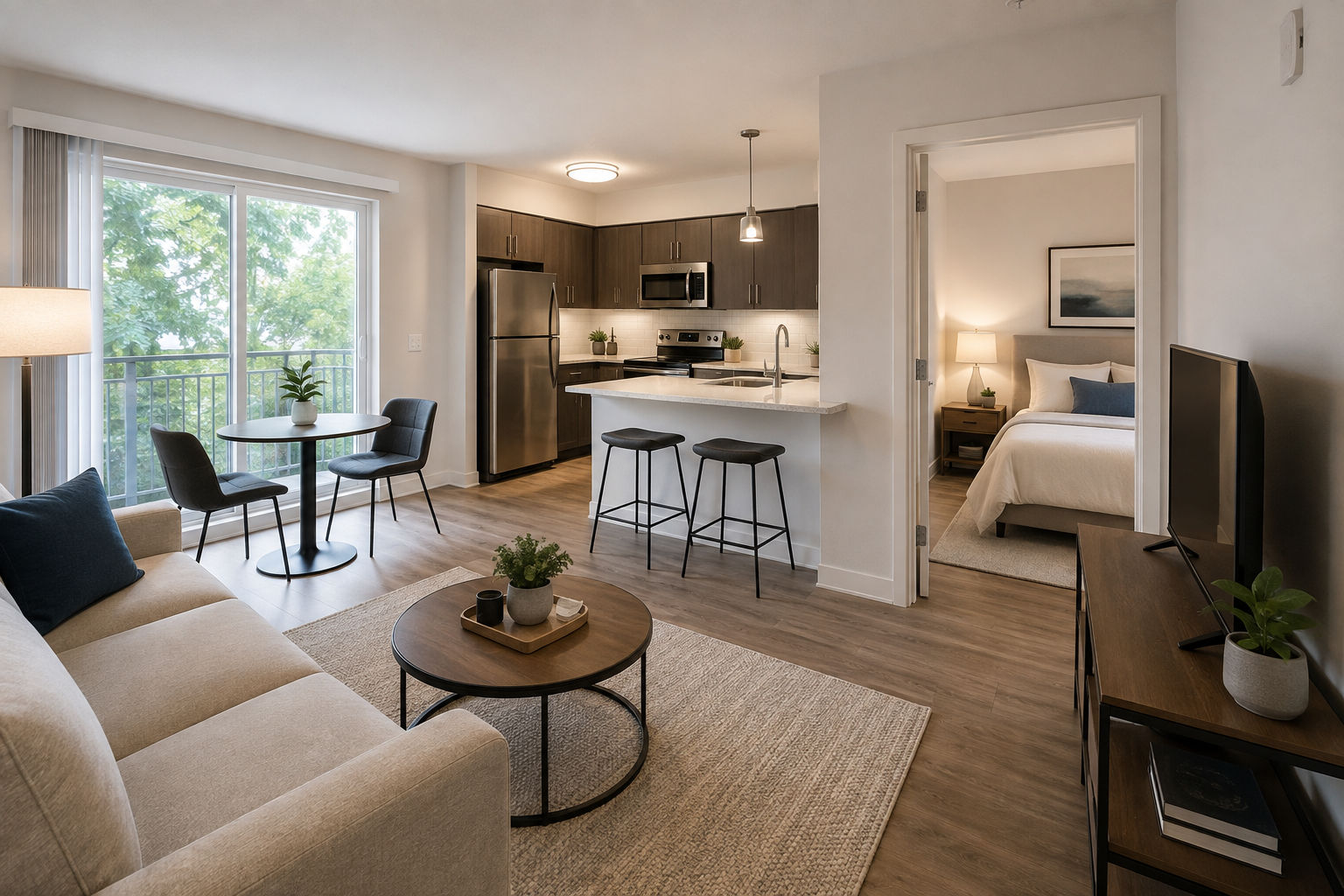
Apartment complexes vary widely in unit mix, construction age, and included features. The table below outlines general categories renters typically compare when evaluating options in the District.
| Feature | What to Check | Why It Matters |
| Unit size and layout | Studio vs. 1-3 bedroom, square footage | Determines monthly budget fit and furniture plans |
| Income eligibility | Market-rate vs. income-restricted pricing | Affects whether documentation is required to qualify |
| On-site conveniences | Laundry, business center, maintenance response | Impacts daily convenience and move-in readiness |
| Lease terms | Deposit amount, lease length, pet policy | Shapes upfront costs and flexibility |
Older buildings sometimes offer more character, such as hardwood-style floors, while newer construction may emphasize efficiency and updated systems. Neither is objectively better; the right fit depends on personal priorities around charm versus modern finishes.
Weigh Practical Amenities Over Marketing Language
Amenity lists can blur together after a few tours, so it helps to separate functional features from cosmetic ones.
- Daily-use amenities: On-site laundry, 24-hour maintenance, and secure package handling solve recurring problems.
- Comfort features: Central heat and air, fully equipped kitchens, and closet space affect quality of life more than lobby decor.
- Pet policies: Confirm breed and weight restrictions, plus any pet deposit, before assuming a building is pet-friendly.
- Business or work-from-home space: A shared business center can matter for remote workers who need a quiet space outside their unit.
Renters who rank these categories by personal priority, rather than touring randomly, tend to make faster and more confident decisions.
Frequently Asked Questions
What is the biggest factor in choosing an apartment complex in Washington, DC? Budget combined with commute distance is typically the deciding factor, since both directly affect daily cost and quality of life regardless of building amenities.
Are income-restricted apartments common in DC? Yes. Several buildings in central neighborhoods offer income-restricted units alongside market-rate options, though eligibility depends on household income documentation.
Is now a good time to rent in Washington, DC? Market data suggests renters currently have more leverage than in recent years, since the Greater Washington DC multifamily market ended 2025 with a 5.2% vacancy rate after a wave of new construction.
Should I prioritize building age or amenities? Neither matters more universally; prioritize whichever features solve your actual daily routine, such as laundry access or commute proximity, over cosmetic finishes.
A Practical Next Step
R Street Apartments is a residential community in Washington, DC, offering studio to multi-bedroom units with income-based options, central heat and air, and an on-site business center for residents. Renters comparing options in the District can review unit availability, pricing tiers, and neighborhood details directly. Click Here to explore current listings, or review the R Street Apartments profile for location details and resident feedback before scheduling a visit.