At a Glance
- Most mini split heating issues trace back to airflow blockages, refrigerant levels, or thermostat miscommunication.
- Regular filter cleaning and outdoor unit clearance help prevent many winter performance problems.
- Persistent error codes or weak heat output usually signal a need for professional diagnostic service.
A mini split that blows cool or inconsistent air during cold weather typically points to a dirty filter, frozen outdoor coil, or incorrect mode setting rather than a major mechanical failure. Many homeowners can resolve the issue by checking these basics before assuming the unit needs replacement parts.
Ductless systems have become a common choice for supplemental and whole-home heating because they avoid the energy losses associated with traditional ductwork. When homeowners search for reliable Mini Split Heating, they are usually trying to understand why their system underperforms when outdoor temperatures drop and whether the problem is something they can fix or something that requires a technician.
Why Mini Splits Struggle to Heat Properly
Cold-climate performance issues are a common concern with ductless heat pumps. According to the U.S. Department of Energy, heat pump efficiency can decline as outdoor temperatures fall, potentially making a system feel underpowered if it was not properly sized or installed for the climate. Understanding this baseline helps homeowners distinguish normal cold-weather behavior from an actual malfunction.
Common root causes include:
- Dirty or clogged air filters restricting airflow across the indoor coil.
- Ice buildup on the outdoor unit that persists beyond normal defrost operation.
- Incorrect thermostat or remote settings, such as fan-only mode instead of heat mode.
- Low refrigerant charge from a leak, reducing heat transfer capacity.
- Blocked outdoor unit due to snow, leaves, or debris restricting airflow to the system.
Each issue has a different solution, ranging from a quick filter cleaning to a professional refrigerant inspection.
Step-by-Step Troubleshooting Checklist
Before calling for service, homeowners can work through a short diagnostic sequence that may resolve many common heating complaints.
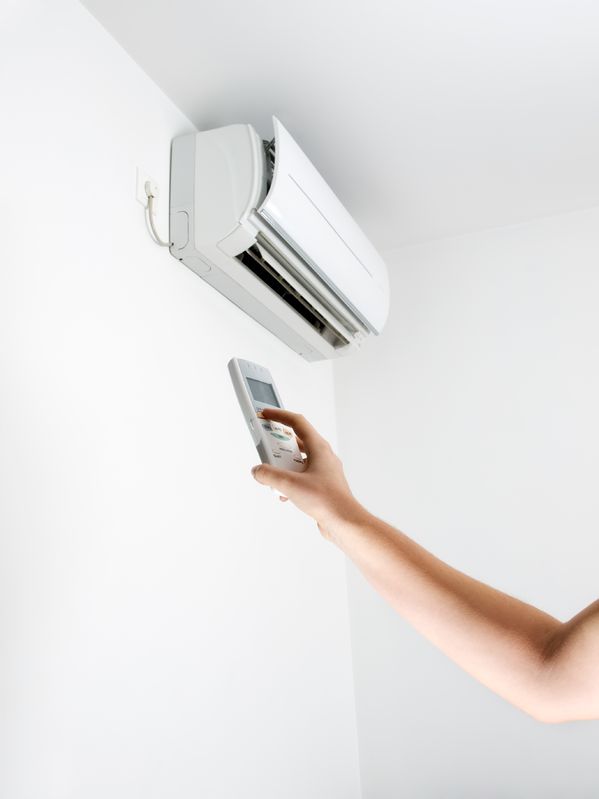
1. Confirm the mode setting. Some remotes may be set to cooling or fan mode after a power interruption. Verify that the display shows heating mode.
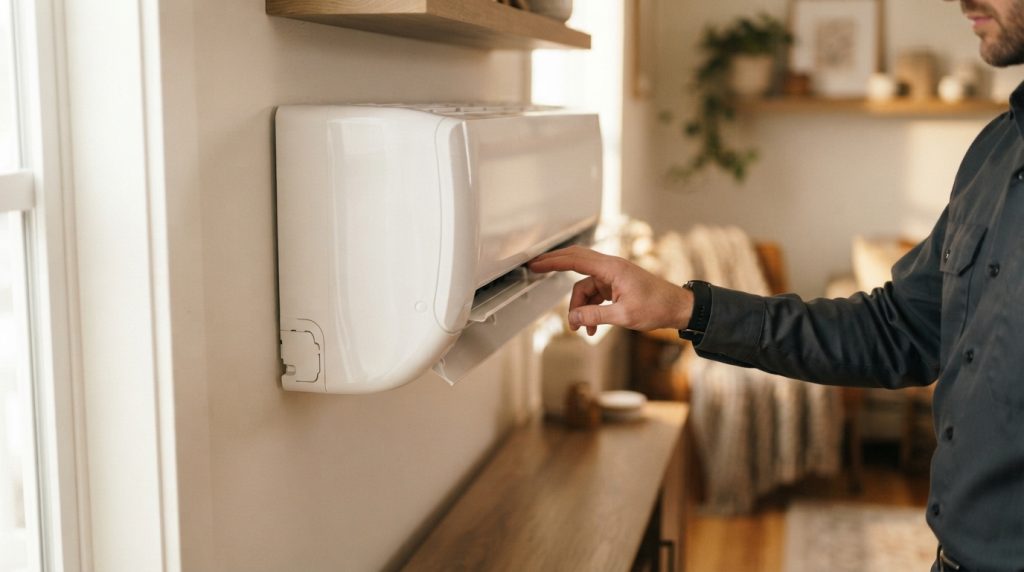
2. Inspect and clean the filter. A clogged filter restricts airflow and forces the system to work harder, potentially causing reduced output or shutdowns.
3. Check the outdoor unit for obstructions. Snowdrifts, ice, and yard debris around the outdoor unit can restrict the airflow needed for proper heat exchange. Keep the manufacturer’s recommended clearance around the unit.
4. Allow the defrost cycle to finish. A temporary pause in heating, sometimes accompanied by a low hum or visible vapor, can be normal while the system removes frost from the outdoor coil. Avoid manually chipping ice from the unit.
5. Review the remote batteries and signal. Weak batteries can sometimes cause intermittent command failures that resemble a system fault.
If these steps do not restore normal heating, the problem may involve refrigerant, electrical components, or a sensor that requires professional diagnostic tools.
Common Symptoms and Likely Causes
| Symptom | Likely Cause | Recommended Action |
|---|---|---|
| Unit runs but blows cold air | Incorrect mode, normal startup behavior, or low refrigerant | Check settings and allow startup time; schedule service if the problem persists |
| Ice forms on the outdoor unit and does not clear | Possible defrost sensor, drainage, or airflow problem | Arrange a professional inspection |
| System cycles on and off rapidly | Dirty filter, airflow restriction, or control issue | Clean the filter, check airflow, and seek service if cycling continues |
| Error code appears on the remote | Internal component or communication fault | Consult the unit manual and arrange technician diagnostics if needed |
This table summarizes common troubleshooting patterns, although specific error codes and their meanings vary by manufacturer and should be checked against the unit’s manual.
When Professional Service Makes Sense
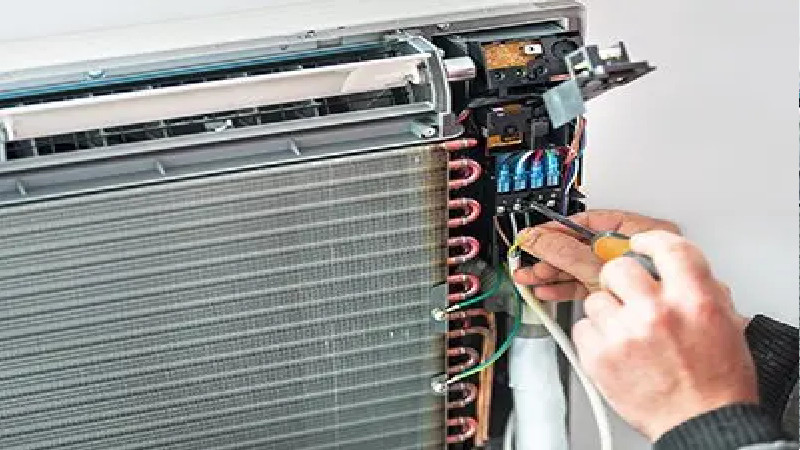
Some problems are safe for homeowners to address, while others involve sealed refrigerant systems or electrical components that require qualified technicians. Attempting refrigerant recovery or compressor repairs without appropriate training and equipment can create safety risks, violate applicable handling requirements, and affect manufacturer warranties.
Signs that indicate a need for professional service include:
- Persistent error codes that do not clear after basic troubleshooting.
- Visible ice that remains after normal defrost operation.
- Noticeably reduced heat output despite a clean filter and unobstructed outdoor unit.
- Unusual grinding, clicking, or hissing noises from either unit.
- Repeated shutdowns or a system that cannot maintain the selected temperature.
Routine maintenance, including regular filter cleaning and periodic coil inspections, can reduce the likelihood of midwinter breakdowns and help maintain efficient operation. Follow the manufacturer’s maintenance recommendations to protect system performance and applicable warranty coverage.
Frequently Asked Questions
Why does my mini split take a while to start heating?
Ductless systems often ramp up gradually rather than producing instant heat like a conventional furnace. Outdoor temperatures, defrost operation, and the system’s design can affect how quickly the room reaches the selected temperature.
Is it normal for the outdoor unit to have frost on it?
Light frost can form during cold weather and is generally normal if the system clears it through its defrost cycle. Thick ice that persists or repeatedly returns may indicate an airflow, drainage, sensor, or defrost problem that needs professional attention.
Can a dirty filter really cause heating problems?
Yes. A clogged filter restricts airflow across the indoor coil, reducing heat output and potentially causing the system to cycle off prematurely.
How often should the filters be cleaned in winter?
Many manufacturers recommend checking filters every two to four weeks during periods of heavy heating use. The ideal interval depends on household dust, pets, operating conditions, and the manufacturer’s instructions.
Getting Reliable Heat When It Matters Most
Troubleshooting a mini split system starts with ruling out simple issues such as filter buildup, incorrect mode settings, and outdoor unit obstructions before assuming a component has failed. When symptoms persist despite these checks, a qualified technician can safely diagnose refrigerant levels, sensor function, and electrical connections.
For homeowners in Melville, NY, who need hands-on diagnostic support, Accurate Mechanical Works Inc. offers service for ductless heating systems. Professional troubleshooting can help identify the source of heating problems, restore consistent indoor comfort, and prepare the system for continued cold-weather operation.