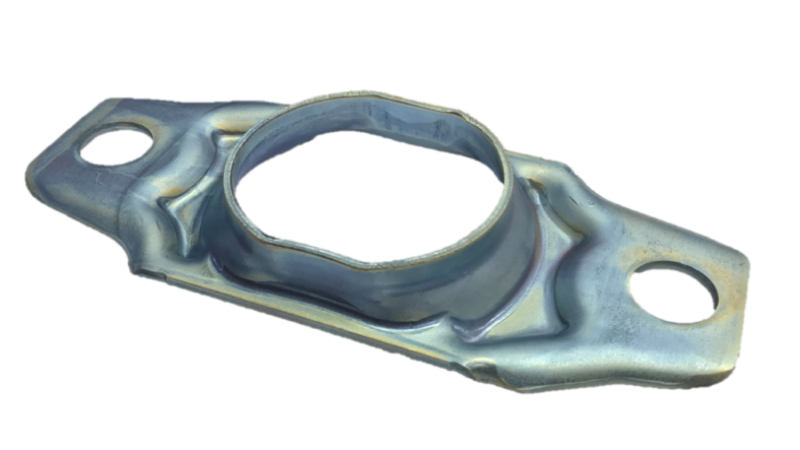
Across industries in the United States, critical equipment often faces harsh environments where corrosion can threaten reliability, safety, and longevity. From aerospace and automotive to energy and manufacturing, companies are continuously searching for advanced methods to safeguard valuable assets. One solution drawing increasing attention is Zinc Nickel , a specialized electroplating alloy recognized for its exceptional corrosion resistance. As American businesses look to extend equipment life and minimize maintenance costs, understanding this technology is essential.
Why Corrosion Resistance Matters for Critical Equipment?
Corrosion is a persistent challenge for equipment exposed to moisture, chemicals, or extreme weather conditions. Left unchecked, it can cause structural weakness, equipment failure, and costly downtime. Traditional zinc coatings have long been used to combat rust, but as performance demands rise, industries are seeking solutions with enhanced durability. This is where zinc-nickel plating stands out, offering superior protection that outperforms conventional coatings in both laboratory tests and real-world applications.
How Zinc Nickel Electroplating Works?
Zinc-nickel electroplating involves depositing a thin layer of an alloy—typically containing 12-15% nickel—onto the surface of steel or other metals. This combination leverages the sacrificial properties of zinc while adding the strength and stability of nickel. The result is a uniform coating that shields the underlying metal from corrosion, even in aggressive environments such as coastal regions, industrial plants, and areas exposed to de-icing salts.
Key Benefits of Zinc Nickel Coatings
Industries across the USA choose zinc-nickel for several compelling reasons:
• Exceptional Corrosion Resistance : Zinc-nickel coatings can provide several times the corrosion protection of standard zinc plating, meeting or exceeding rigorous industry standards.
• High Temperature Stability : Unlike some other coatings, zinc-nickel maintains its protective qualities even under elevated temperatures, making it suitable for automotive and aerospace parts.
• Reduced Maintenance Costs : Enhanced durability translates to longer intervals between maintenance cycles and fewer replacements, resulting in lower lifecycle costs.
• Compatibility with Secondary Processes : Zinc-nickel plated parts can be easily painted or passivated, allowing for further customization and increased protection.
• Environmentally Friendly : Modern zinc-nickel processes often use trivalent passivates, which are less hazardous than traditional hexavalent chromium coatings.
Applications in American Industry
The adoption of zinc-nickel coatings is growing throughout the United States, especially in sectors where reliability is non-negotiable. Common applications include:
1. Automotive Components : Brake calipers, fuel system parts, and fasteners benefit from increased resistance to road salts and moisture.
2. Aerospace Hardware : Critical fasteners and structural elements are protected from oxidation at high altitudes and during rapid temperature changes.
3. Energy Infrastructure : Power transmission equipment and renewable energy components maintain their integrity even in challenging outdoor environments.
4. Industrial Machinery : Bearings, gears, and hydraulic parts last longer and require less frequent maintenance.
Choosing the Right Corrosion Protection
Selecting the appropriate corrosion protection depends on the unique requirements of each application. Key considerations include environmental exposure, mechanical stress, and regulatory compliance. Consulting with metal finishing experts and specifying zinc-nickel coatings can ensure that critical equipment remains reliable, safe, and cost-effective over its service life.
In summary, the use of advanced zinc-nickel electroplating is transforming how American industries protect their most valuable equipment. By offering superior corrosion resistance, enhanced durability, and environmental benefits, this technology stands as a smart investment for organizations committed to operational excellence and long-term asset protection.