Key takeaway:
• A florist blends horticultural knowledge, color theory, and hands-on technique to turn raw stems into cohesive arrangements for weddings and events.
• Wedding and event floral design typically includes bouquets, boutonnieres, corsages, centerpieces, and on-site setup.
• Floral demand and pricing have risen nationally, making sourcing and design skill increasingly important to arrangement quality.
A well-designed arrangement is the product of deliberate choices: stem selection, color balance, structural support, and timing, all coordinated so flowers look fresh and intentional on the day they are needed most. For couples and event planners near Fort Worth, TX, understanding this process helps clarify what separates a thrown-together bouquet from a professionally composed one.
Choosing a florist for a wedding or private event means relying on someone who can translate a theme or color palette into physical form using living material that changes by the hour. That translation work starts long before the flowers arrive at a venue, beginning with sourcing decisions and ending with final placement under event lighting.
What Floral Design Actually Involves
Floral design is a structured craft, not an improvised one. Professionals typically move through a sequence of steps for every order:
• Consultation to confirm color palette, season, and venue style
• Sourcing specific blooms based on availability and freshness
• Conditioning stems (trimming, hydrating, removing excess foliage)
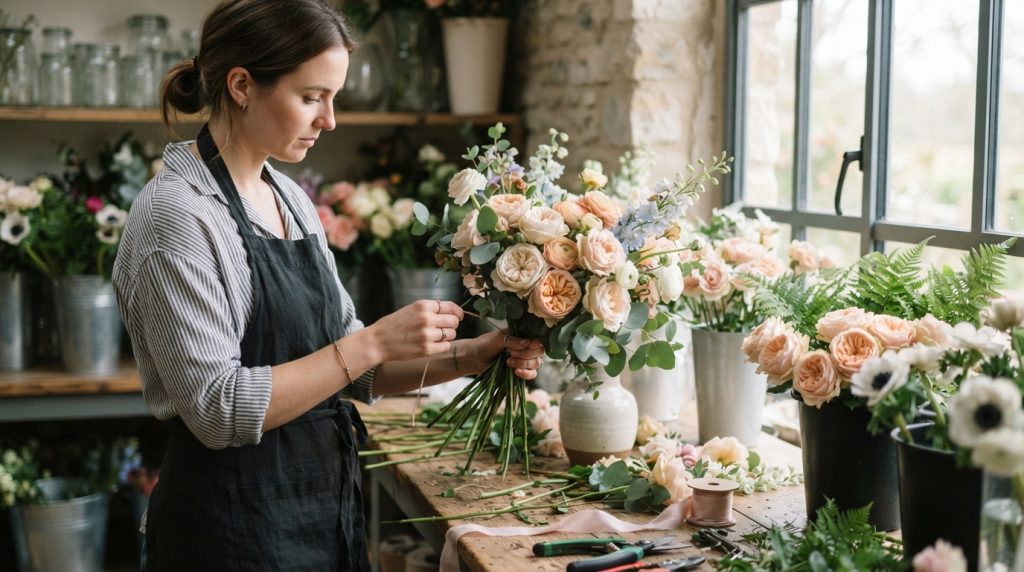
• Constructing the arrangement around a focal point and supporting elements
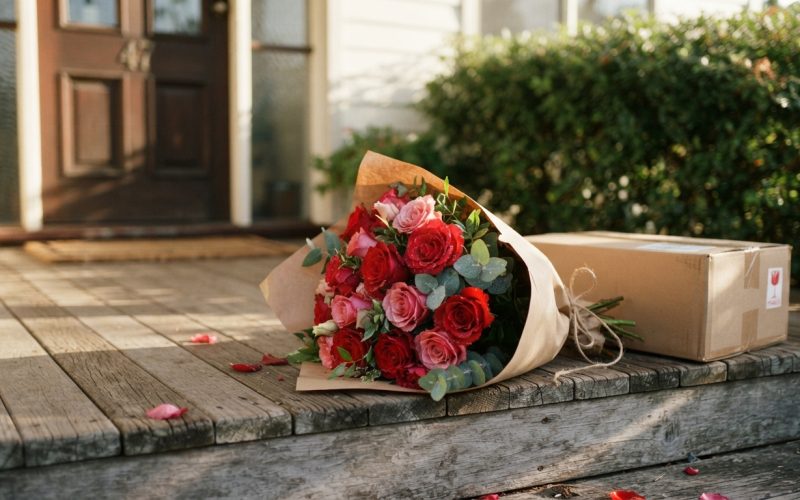
• Transporting and installing the finished piece on-site
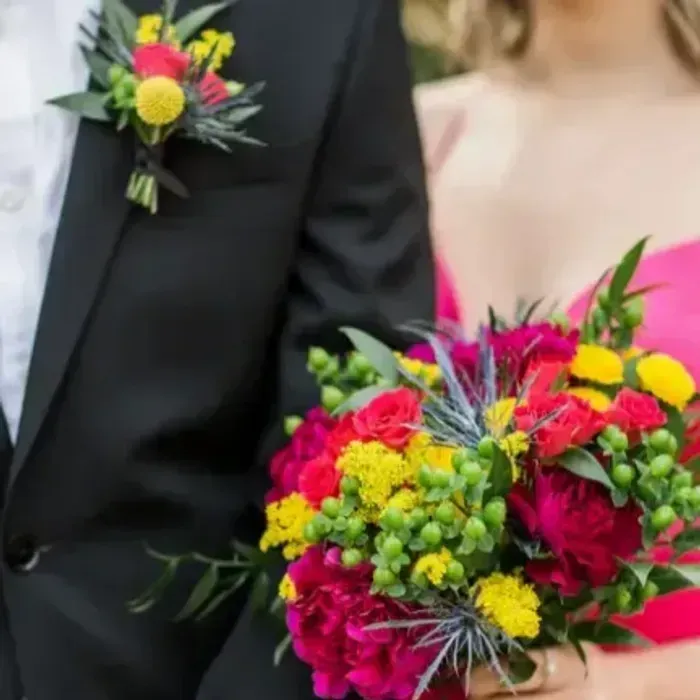
Wedding-specific floral work commonly includes bouquets, boutonnieres, corsages, and table centerpieces built around a couple’s chosen theme and bloom preferences. Many florists also handle delivery and on-site setup of ceremony and reception decor so the installation matches the original design plan without last-minute adjustment at the venue.
Why Sourcing and Timing Matter
Fresh-cut flowers are perishable, and their condition at delivery depends heavily on how recently they were cut, how they were stored, and how far they traveled before reaching a workshop. National floriculture data underscores how significant this supply chain has become: the USDA’s floriculture crops survey reported that the total value of sales across all floriculture crops totaled $8.40 billion, an increase of 18% from 2024.
That growth reflects both higher demand and rising costs passed along through the supply chain, which affects what florists pay for stems before design work even begins. For buyers in Fort Worth, TX, this means advance booking and clear communication about bloom preferences can matter more during high-demand wedding months, when popular varieties sell out faster.
Comparing Arrangement Types by Purpose
| Arrangement Type | Primary Use | Typical Components |
| Bridal bouquet | Ceremony and portraits | Focal blooms, greenery, ribbon wrap |
| Boutonniere/corsage | Wedding party accents | Single bloom, small foliage, pin or wrist band |
| Centerpiece | Reception tables | Mixed stems, vase or compote, filler greenery |
| Ceremony decor | Arch, aisle, altar | Garland, loose stems, structural mechanics |
Each category requires different mechanics. A bouquet needs a secure handle and water source for several hours, while a centerpiece needs stability on a table surface without crowding place settings.
Local Considerations for Event Flowers
Texas summers bring heat that stresses cut flowers quickly, which is a practical concern for any outdoor ceremony planned in Fort Worth, TX. Florists who build arrangements for warm-weather events generally favor hardier blooms and plan transport windows carefully to limit sun exposure before installation.
Based in North Richland Hills, TX, the design studio behind Sage Fine Flowers prepares floral work for clients across the Fort Worth, TX area, coordinating delivery timing around venue schedules rather than maintaining a storefront presence in that city. That distinction matters for planning: design and sourcing happen at the studio location, while delivery and setup extend outward to the event site itself.
What is typically included in wedding floral packages? Packages generally cover bouquets, boutonnieres, corsages, and centerpieces, with many florists also offering delivery and setup of ceremony and reception decor.
How far in advance should wedding flowers be booked? While exact timelines vary by florist availability, booking well ahead of peak wedding season is a common recommendation since popular bloom varieties have limited seasonal windows.
Do florists only work with fresh flowers? Most floral design work centers on fresh-cut stems, though some designers also incorporate preserved or dried elements depending on the client’s requested look.
Can floral arrangements be customized to a specific color scheme? Yes, color palette and theme are typically confirmed during an initial consultation so sourcing and design choices align with the client’s vision.
Final Notes on Choosing Floral Design Services
Arrangement quality comes down to sourcing discipline, construction technique, and timing around an event’s specific conditions, factors that are easier to evaluate once the underlying process is understood. Current availability details for Sage Fine Flowers are published for the local service area.