Summary first:
- Porcelain and composite are the two main veneer materials, differing in durability, cost, and how many dental visits they require.
- Veneer longevity depends heavily on daily care habits, including avoiding teeth grinding and staining foods.
- Choosing Dental Veneers in Cooper City, FL starts with a consultation to assess whether your tooth structure and bite are suited to the procedure.
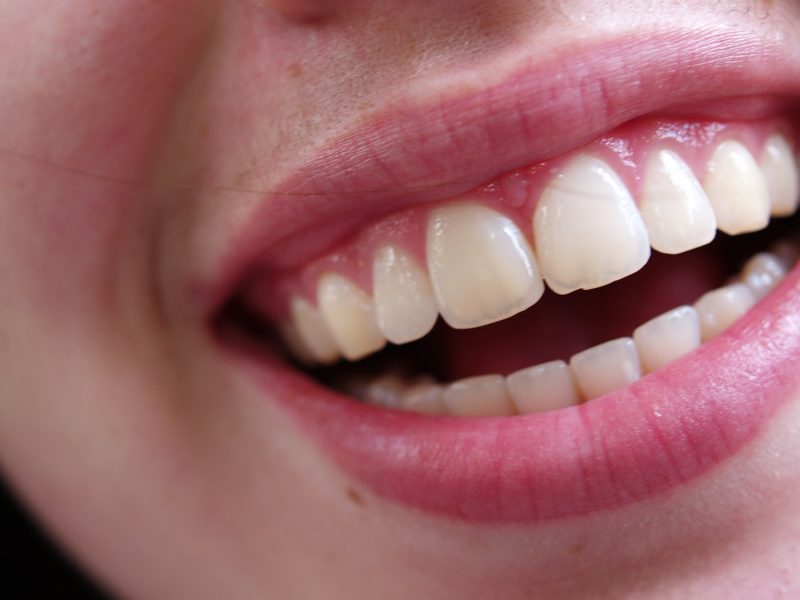
Dental veneers are thin shells bonded to the front of teeth to correct chips, gaps, discoloration, or uneven shapes. The right material choice, realistic cost expectations, and consistent at-home care are the three factors that determine how long veneers last and how natural they look over time.
How Porcelain and Composite Veneers Differ
Most patients researching Dental Veneers in Cooper City, FL are comparing two material categories: porcelain and composite resin. Each has distinct tradeoffs in appearance, longevity, and treatment timeline.
- Porcelain veneers are fabricated in a dental lab from ceramic material, then bonded to the tooth surface after a small amount of enamel is reshaped.
- Composite veneers are sculpted directly onto the tooth by the dentist using a tooth-colored resin, often completed in a single visit.
- Porcelain tends to resist staining better than composite over time, while composite is generally more affordable upfront and easier to repair if chipped.
Patients who want a long-term cosmetic solution with minimal touch-ups often lean toward porcelain, while those seeking a faster, lower-cost fix may prefer composite as a starting point.
What Influences Veneer Costs
Veneer pricing varies based on material, the number of teeth treated, and the complexity of the smile correction needed. A dentist cannot provide an accurate estimate without first examining the teeth and bite in person.
Because every smile has different structural needs, a consultation remains the only reliable way to understand which material and how many veneers are appropriate for an individual case.
Caring for Veneers After Placement
Veneers are durable, but they are not indestructible. Daily habits play a large role in how long they maintain their appearance and function.
- Brush and floss as recommended to prevent gum recession around the veneer edges.
- Avoid biting hard objects like ice, pens, or fingernails, which can chip the material.
- Limit heavily pigmented foods and drinks such as coffee, red wine, and dark sauces, especially with composite veneers.
- Wear a nightguard if you grind or clench your teeth, since repetitive pressure can crack or loosen a veneer.
According to the American Dental Association’s guidance on cosmetic dentistry, veneers are considered an elective cosmetic procedure that requires removal of a small layer of enamel, making the process irreversible once started. This is why dentists typically recommend a thorough evaluation of bite alignment and enamel health before moving forward, regardless of which material is selected.
Who Is a Good Candidate for Veneers
Not every cosmetic concern calls for veneers, and not every patient is an ideal candidate. A dentist generally looks at several factors before recommending the procedure.
- Sufficient healthy enamel to support bonding.
- Teeth and gums free of active decay or periodontal disease.
- Realistic expectations about shade matching and shape adjustments.
- A bite pattern that will not place excessive stress on thin porcelain or resin edges.
Patients with significant misalignment or active grinding habits may need orthodontic treatment or a nightguard addressed first, since veneers are a cosmetic solution rather than a structural or alignment correction.
Frequently Asked Questions
How long do dental veneers typically last? Lifespan depends on material and care, with porcelain generally outlasting composite when patients avoid grinding and maintain good oral hygiene.
Is the veneer process painful? Most patients report mild sensitivity during enamel reshaping, which is typically managed with local anesthesia during the appointment.
Can veneers be whitened later? No. Once placed, veneers do not respond to whitening treatments, so shade is selected carefully before bonding.
Do veneers require special toothpaste? A non-abrasive toothpaste is usually recommended to avoid dulling the surface finish over time.
Choosing the right veneer material and committing to consistent care are the two decisions that most affect how a smile looks years down the road. For a personalized evaluation of your tooth structure, bite, and cosmetic goals, consider scheduling a consultation with Beaufils Dental, where a dentist can walk through material options suited to your specific needs.