Summary first:
• A reliable commercial turf supplier provides verified sod varieties suited to local climate, consistent delivery timelines, and guidance for large-scale or high-traffic properties.
• In South Texas, heat and drought tolerance matter more than appearance alone when selecting turf for commercial grounds.
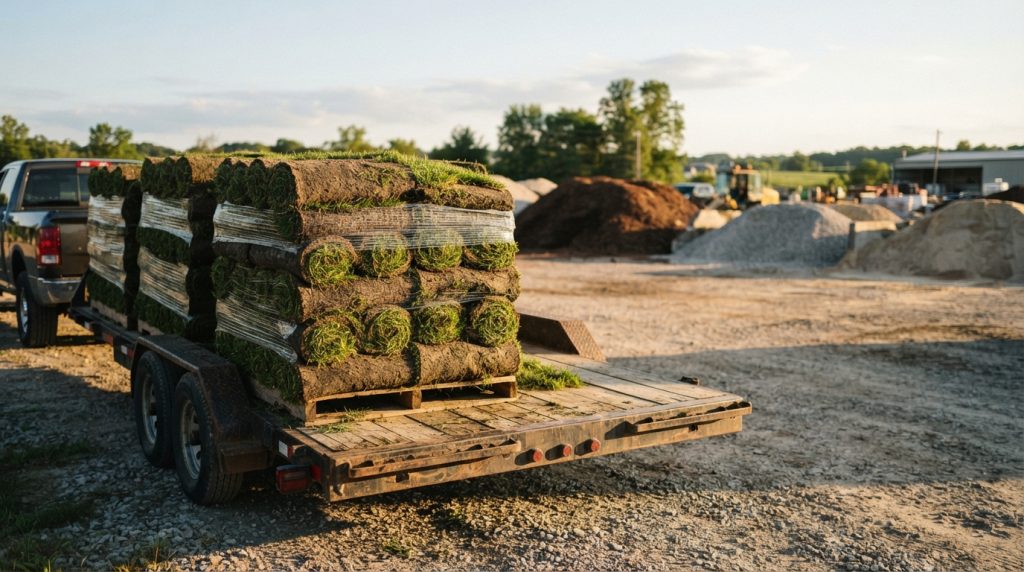
• Bulk ordering, pallet coverage details, and delivery logistics separate commercial-grade suppliers from small retail garden centers.
A reliable commercial turf supplier for business properties, parks, or developments typically offers bulk sod availability, climate-appropriate grass varieties, and dependable delivery scheduling for large installation areas. Commercial clients need more than a single pallet of sod picked up on a Saturday; they need predictable volume, consistent quality across pallets, and turf bred to handle heavy foot traffic.
Property managers and landscapers searching for a Commercial Turf Supplier San Antonio, TX are usually comparing vendors on three factors: grass variety selection, bulk pricing structure, and how quickly large orders can be fulfilled. Sod sold for corporate landscapes, parks, or recreational facilities has to tolerate compaction and repeated use in a way residential lawns rarely experience.
Why Climate Matters for Commercial-Grade Sod
South Texas presents specific turf challenges that differ from other regions of the state. Extended summer heat, limited rainfall, and clay-heavy soils can stress grass varieties that were not bred for drought tolerance.
According to Texas A&M AgriLife Extension guidance on turfgrass selection, bermudagrass tolerates drought and heavy traffic well but requires full sun, while St. Augustine is less drought-tolerant than bermuda or zoysia though it performs well with irrigation in central and south Texas. This distinction matters for commercial sites where irrigation access varies by location:
• Full-sun parking medians, retail frontages, and athletic fields typically perform better with bermuda varieties.
• Shaded courtyards or landscaped entryways may need St. Augustine or zoysia instead.
• High-traffic zones such as walkways and recreational areas benefit from traffic-resistant hybrids over common varieties.
What Separates a Commercial Supplier From a Retail Garden Center
Not every sod seller is equipped to handle commercial-scale orders. A few practical differences tend to show up quickly once order size increases.
| Factor | Retail/Small-Scale Seller | Commercial-Grade Supplier |
| Order volume | Single pallets or small bundles | Multiple pallets with bulk pricing |
| Variety selection | Limited to one or two grasses | Several warm-season varieties for different site conditions |
| Delivery logistics | Pickup only, inconsistent scheduling | Scheduled delivery for large or phased projects |
| Additional materials | Grass only | Topsoil, mulch, gravel, or base stone available alongside turf |
Commercial buyers also tend to ask about pallet coverage, since project planning depends on knowing exactly how much ground a single pallet will cover before ordering additional stock.
Working With a Supplier Serving San Antonio, TX
Based in the USA, The Grass Company serves customers across the San Antonio, TX area with sod varieties selected for regional heat, drought conditions, and heavy use. Grass varieties commonly supplied for commercial and residential projects in the area include Bermuda Celebration, TifTuf Bermuda, Tifway 419, FJ Select St. Augustine, and Zoysia, each suited to different sun, shade, and traffic conditions found across South Texas properties.
For buyers evaluating sod options, a few practical questions help narrow the decision:
1. How many square feet does a single pallet cover, and how many pallets will the project require.
2. What is the delivery radius and lead time for the order size needed.
3. Does the grass variety match the sun exposure and expected foot traffic of the site.
4. Are supplemental materials like topsoil or base stone needed before installation.
Commercial landscaping projects, including developments, parks, and recreational grounds, generally require more planning than a residential front yard because installation often happens in phases across larger square footage. Confirming variety availability and delivery timing before a project begins reduces the risk of mismatched sod batches or delays once installation crews are on site.
Frequently Asked Questions
What grass varieties work best for commercial properties in South Texas? Bermuda varieties such as Celebration, TifTuf, and Tifway 419 are commonly used for full-sun commercial sites because of their drought and traffic tolerance, while St. Augustine suits shaded areas with reliable irrigation.
How is commercial sod pricing typically structured? Commercial orders are generally priced per pallet or per square foot, with bulk discounts becoming available as pallet counts increase for larger properties.
Can a turf supplier deliver materials beyond grass for commercial sites? Some suppliers also carry landscape materials such as topsoil, mulch, gravel, and base stone, which are often needed alongside sod for proper installation on commercial grounds.
Does sod variety choice affect long-term maintenance costs? Yes. Selecting a variety suited to the site’s sun exposure and traffic level reduces the need for replacement sod and lowers long-term watering and fertilization demands.
Choosing sod for a commercial property comes down to matching grass variety to site conditions, confirming realistic delivery timelines, and understanding pallet coverage before placing an order. Buyers who verify these details upfront typically avoid the most common installation delays and mismatched turf issues that surface later in a project.