Key point:
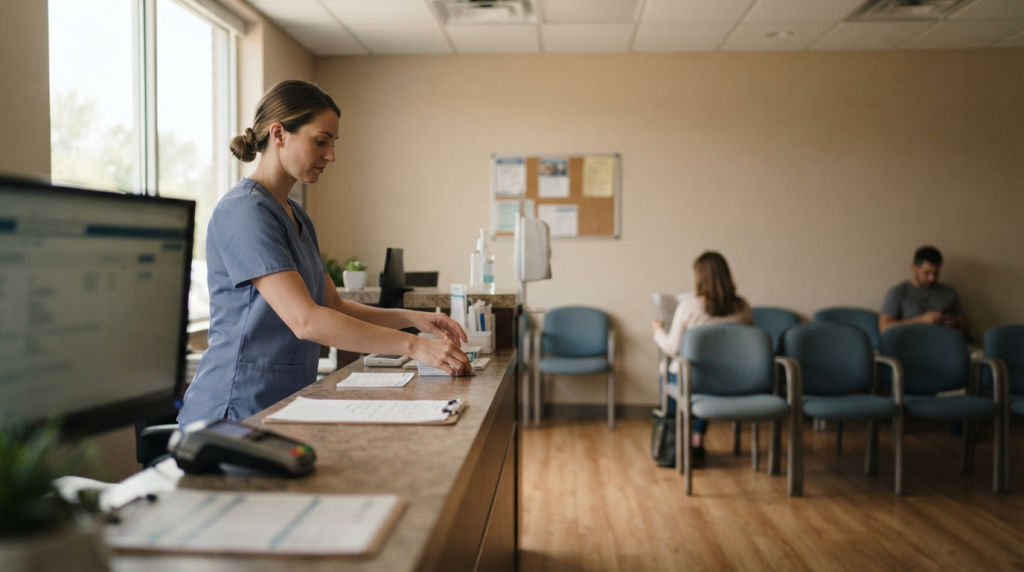
- A walk-in urgent care visit in Jackson typically includes check-in, a provider evaluation, on-site testing if needed, and a treatment plan, usually within a single visit.
- Most patients are seen the same day without an appointment for illnesses and minor injuries that are not life-threatening.
- Conditions like sprains, infections, lacerations, and minor fevers are commonly treated without an emergency room trip.
If you are wondering what actually happens during an urgent care appointment, the short answer is this: you walk in, get evaluated by a physician or nurse practitioner, receive any needed testing or treatment on-site, and leave with a clear plan, often all in one visit.
Finding a reliable Local Urgent Care Center in Jackson TN matters most when an illness or injury will not wait for a scheduled appointment. These visits are built around speed and accessibility rather than long intake processes, which is part of why walk-in clinics have become a common first stop for non-emergency health concerns across the country.
Before You Arrive: What Counts as Urgent Care
Urgent care sits between a primary care appointment and an emergency room visit. It is meant for problems that need attention soon but are not immediately life-threatening.
Common reasons patients seek same-day urgent care include:
- Cold, flu, or sinus infection symptoms
- Minor cuts requiring stitches or wound care
- Sprains, strains, or minor sports injuries
- Abscesses or skin infections
- Elevated blood pressure or migraine headaches
- Urinary tract infections or stomach viruses
According to CDC-reported emergency department triage data, a large share of ER visits involve conditions that do not require emergency-level resources, which is part of why urgent care clinics exist as a faster, lower-cost alternative for non-critical cases. Chest pain, stroke symptoms, severe bleeding, or breathing difficulty still call for an emergency room or 911, not a walk-in visit.
What Happens During the Visit
Urgent care visits generally follow a predictable sequence, which helps set expectations before you walk through the door.
- Check-in and brief history. Staff collect basic information and the reason for your visit.
- Provider evaluation. A physician or nurse practitioner reviews your symptoms and examines you directly.
- On-site testing, if needed. Labs or basic diagnostics may be run without requiring a separate appointment.
- Treatment and next steps. This can include wound care, medication, or a referral for follow-up.
At one Jackson clinic, the process reflects this structure directly. The practice notes that its clinic is staffed by an experienced physician and nurse practitioner who can evaluate your symptoms, diagnose underlying conditions, order appropriate testing, and provide comprehensive treatment plans. Because the same practice also functions as a primary care office, it can provide continuity of care and follow-up when needed, which matters if a condition requires more than a single visit to resolve.
Conditions Commonly Treated On-Site
Wound care is one of the more detailed service areas at a typical urgent care visit, since injuries like cuts and abscesses often need same-day attention. Services in this category commonly include sutures, wound evaluation and treatment, dressing changes, abscess evaluation and treatment, and foreign body removal.
Beyond wound care, many urgent care visits in Jackson address everyday illnesses and minor injuries, including:
| Category | Examples |
|---|---|
| Respiratory and infection | Bronchitis, sinus infections, sore throat, flu |
| Skin and minor injury | Rashes, poison ivy, bruises, minor lacerations |
| Pain and inflammation | Migraines, sprains, abdominal pain, acute pain |
| Other common concerns | Urinary tract infections, elevated blood pressure, stomach viruses |
Patients are typically seen without needing to schedule ahead, since most urgent care models in Jackson are built around walk-in access and same-day visits for illnesses, minor injuries, and unexpected health concerns.
After the Visit: Follow-Up and Continuity
A good urgent care experience does not end when you leave the building. If the visit was for an isolated issue, the clinic may send a summary to your regular primary care provider so your records stay current.
For patients without an established doctor, some clinics also offer the option to continue care under the same roof. This model supports continuity between acute visits and long-term health management, which can reduce repeat trips to the emergency room for issues that do not require hospital-level resources.
Frequently Asked Questions
Do I need an appointment for urgent care in Jackson? No. Most urgent care visits are designed around walk-in access, with same-day scheduling available for patients who prefer to plan ahead.
What should I bring to an urgent care visit? Bring a photo ID, insurance card if applicable, and a list of current medications. This helps the provider build an accurate picture of your health history quickly.
Can urgent care treat injuries that need stitches? Yes. Laceration repair and suturing are commonly offered urgent care procedures, along with wound evaluation and dressing changes.
Will urgent care communicate with my regular doctor? Many clinics will fax or send visit summaries to your primary care provider upon request, which supports continuity of care after the visit.
An urgent care visit in Jackson is generally built for speed, accessibility, and practical treatment of non-emergency health issues. Patients who understand the check-in-to-treatment process ahead of time tend to have a smoother experience and know what questions to ask once they are in the room. For walk-in visits and same-day appointment details, Visit Volunteer Family Medicine & Urgent Care Website to find the latest information about operating hours and location.