Completing an at-home stool test is an important step in colon cancer screening. When the result comes back positive or abnormal, however, the screening process is not finished. The next step is usually a colonoscopy, which allows a physician to look directly inside the colon and determine what may have caused the result.
A positive test can create anxiety, but it does not mean that colorectal cancer has been diagnosed. Several findings can place blood or abnormal DNA markers in stool. Follow-up evaluation helps separate benign explanations from polyps.
What Stool Screening Tests Detect
Stool-based tests are designed for people who do not have symptoms. A fecal immunochemical test, often called FIT, checks for hidden blood. A high-sensitivity guaiac fecal occult blood test also detects blood through a different method. Multitarget stool DNA testing looks for certain DNA changes as well as blood.
These tests can identify signals that warrant further investigation, but they cannot show where a signal originated. They also cannot display the lining of the colon, remove a polyp, or collect tissue for laboratory examination. That is why an abnormal result must be followed by a visual examination rather than another routine stool test.
A Positive Result Is Not a Cancer Diagnosis
Blood may enter stool for reasons other than cancer. Polyps, hemorrhoids, diverticular disease, inflammation, and other conditions can sometimes contribute. False-positive results are also possible. Still, it is unsafe to assume that a familiar condition explains the finding without an appropriate evaluation.
Repeating the same stool test is not a substitute for follow-up. A later negative result would not explain the first abnormal finding or rule out a lesion that sheds blood intermittently. Patients should discuss the original result with the clinician who ordered it and arrange the recommended next step.
Why Colonoscopy Completes the Screening Process
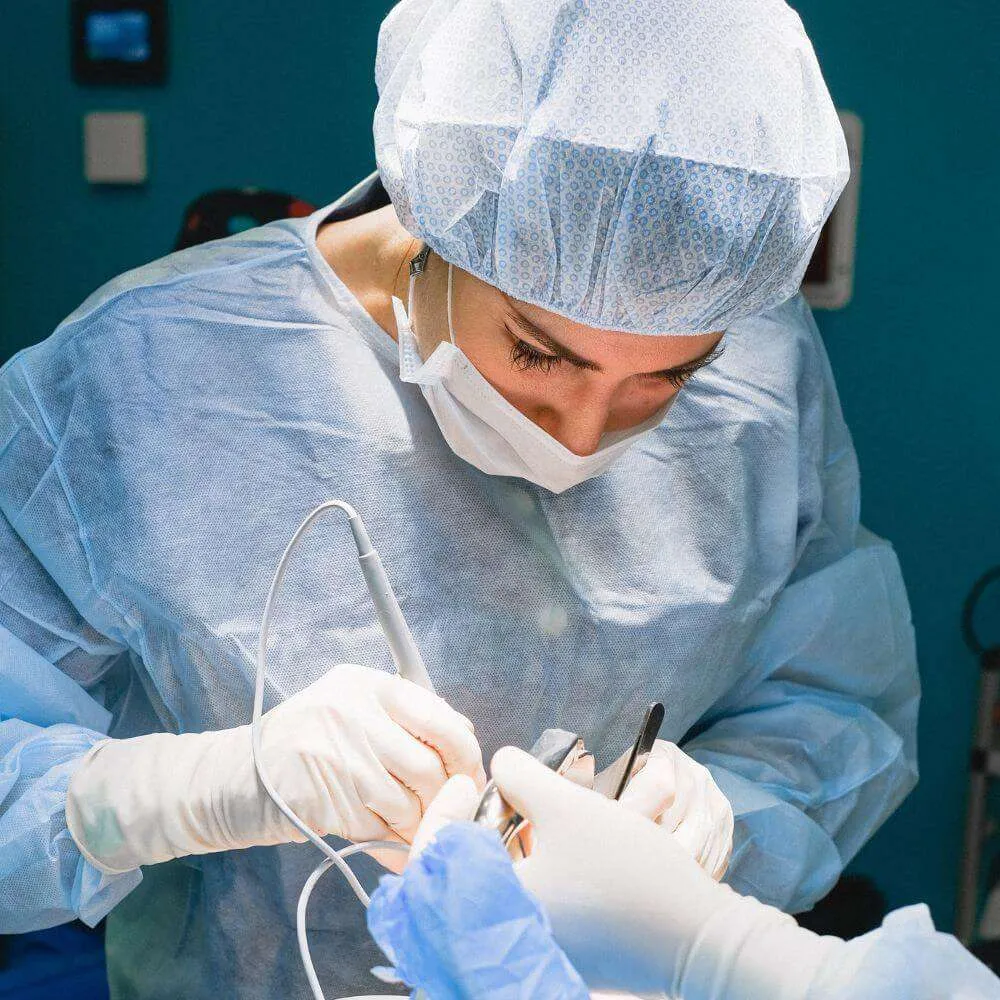
The Centers for Disease Control and Prevention explains that a colonoscopy is needed after a positive or abnormal stool test to complete the screening process. During the procedure, a flexible instrument with a camera is guided through the rectum and colon. The physician can examine the lining, remove many polyps, and take samples of suspicious tissue during the same visit.
This distinction matters: the stool test identifies possible warning signs, while colonoscopy investigates them. After a positive stool test, the procedure is often described as a diagnostic or follow-up colonoscopy rather than a routine screening colonoscopy. Coverage terminology can vary, so patients may wish to ask their health plan and medical office about expected costs and requirements beforehand.
What to Expect Before the Procedure
A clear colon helps the physician see small or flat changes. Preparation usually includes temporary dietary adjustments, clear liquids for a specified period, and a prescribed bowel-cleansing solution. Instructions vary, so patients should follow the plan provided by their medical team.
The office should receive a complete list of medications, supplements, allergies, and relevant health conditions. Blood-thinning medication, diabetes treatment, kidney disease, and heart conditions may affect preparation instructions. Patients should not stop prescribed medication unless the appropriate clinician directs them to do so.
Sedation is commonly used, which means a responsible adult will need to drive the patient home. Some temporary bloating or gas may occur afterward. If tissue is removed, laboratory results may take additional time, and future care will depend on the findings.
When to Speak With a Colon Specialist
Anyone with a positive stool test should contact the ordering clinician even if they feel well. Screening is intended to find changes before symptoms appear. Waiting for discomfort, bleeding, or bowel changes can delay the evaluation that the test was designed to prompt.
A colon specialist can review the result, personal and family history, prior testing, medications, and overall health. A GI clinic may also help coordinate endoscopic care, depending on the patient’s needs and local referral process. People seeking colorectal cancer screening in Surprise, AZ, can ask which records to bring and whether additional medical clearance is needed.
Turning an Abnormal Result Into a Clear Next Step
A positive stool test is best understood as a signal for further evaluation, not a final answer. Colonoscopy provides information that a home test cannot and may allow a physician to remove precancerous polyps before they progress. Patients should keep a copy of the result, contact their healthcare provider promptly, and complete the recommended follow-up. Taking that next step can replace uncertainty with clearer findings and an individualized plan for continued colon health.