AC repair and service decisions become more complex as air conditioning systems age. For property owners in Wittmann, AZ, determining whether a system should continue receiving maintenance or be evaluated for replacement depends on technical factors rather than simple cost comparisons. Technicians rely on measurable performance indicators, service history, and operating conditions to assess whether continued operation remains practical.
Understanding this evaluation process helps homeowners interpret recommendations objectively and avoid assumptions based solely on age or isolated repairs.
What does “system viability” mean in AC evaluations?
System viability refers to whether an air conditioning system can continue operating reliably, efficiently, and safely with reasonable AC maintenance services. Viability does not imply that a system is flawless; instead, it reflects whether repairs meaningfully extend functional lifespan without causing repeated disruptions. Technicians assess viability by determining:- Whether the system can meet cooling demands consistently
- Whether repairs address root issues rather than symptoms
- Whether performance remains stable after servicing
How does system age influence repair or replacement decisions?
System age provides important context but is not used in isolation. Most air conditioning systems are designed to operate for approximately 10 to 15 years. In Wittmann, AZ, extended cooling seasons and higher daily usage can accelerate wear. As systems age, technicians consider:- Cumulative stress on motors and compressors
- Declining efficiency due to internal wear
- Increased likelihood of age-related component failure
Why maintenance history matters during evaluations
AC maintenance services play a critical role in determining long-term system performance. A documented maintenance history often indicates slower performance decline and fewer unexpected issues. Technicians review:- Frequency and consistency of prior service
- Evidence of preventive inspections
- Patterns of recurring concerns
- Condition of major components over time
How technicians evaluate efficiency and operating strain
Cooling efficiency is a key indicator of system viability. Technicians evaluate how effectively the system produces cooling relative to runtime and demand. Common efficiency-related observations include:- Longer cycles to reach set temperatures
- Difficulty maintaining comfort during peak heat
- Increased electrical strain during operation
- Uneven temperature distribution across spaces
When does repair frequency suggest diminishing returns?
Occasional repairs are expected over the lifespan of any system. However, technicians look for patterns that indicate diminishing returns from continued AC repair and service. These patterns may include:- Multiple repairs within a single cooling season
- Repeated issues affecting similar components
- Performance decline shortly after service
- Reduced reliability during high-demand periods
How affordability is evaluated beyond short-term cost
The phrase Affordable AC repair often reflects predictability and sustainability rather than the lowest immediate expense. Technicians evaluate affordability by considering how repair costs trend over time. Affordability factors include:- Likelihood of additional repairs based on system condition
- Availability of compatible components
- Impact of declining efficiency on operating costs
- Reliability under extended seasonal use
Why professional assessments are essential for accurate decisions
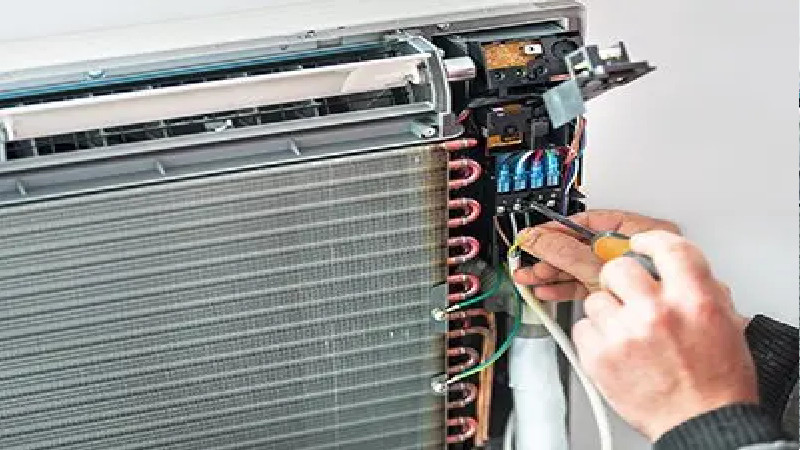
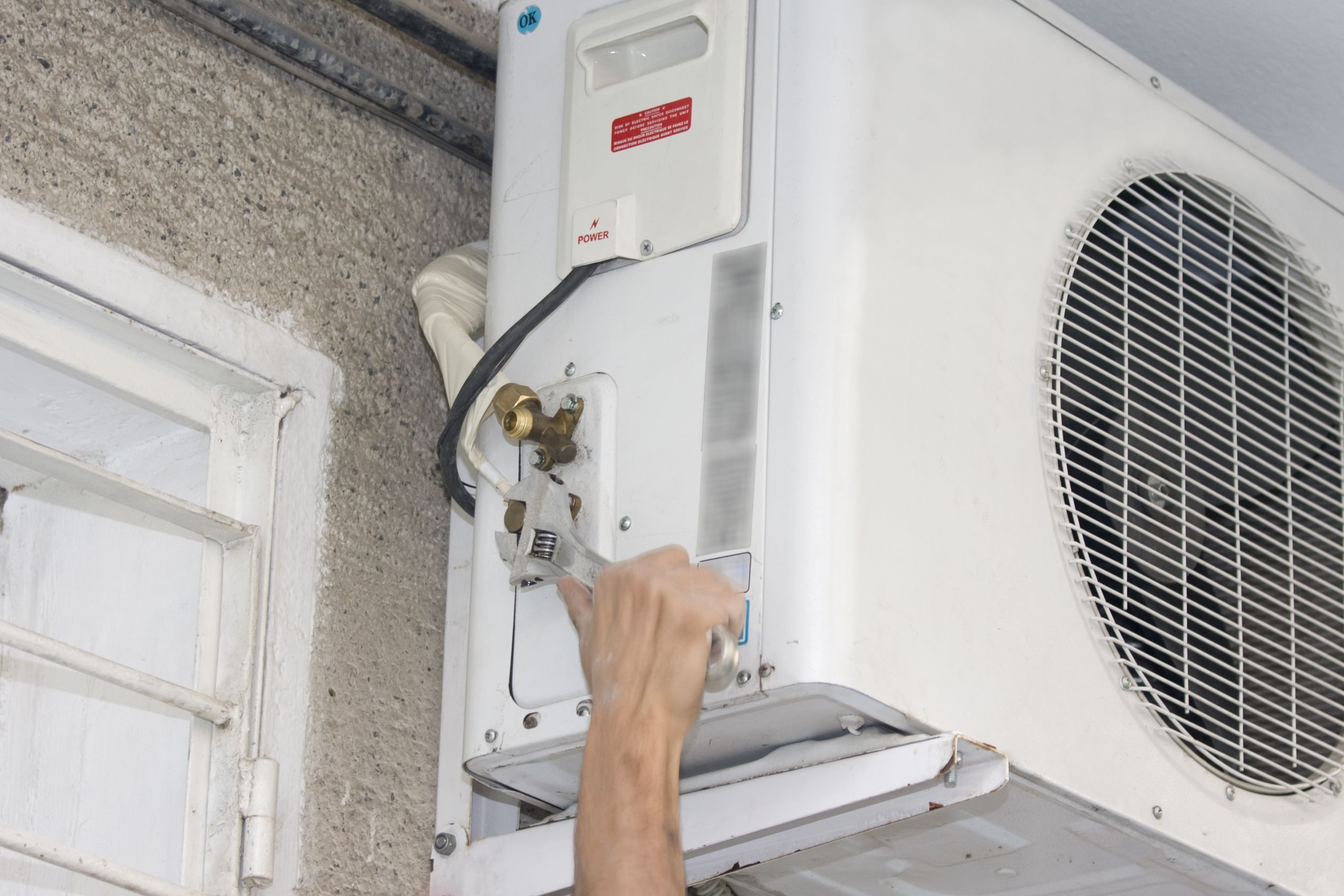
System viability assessments rely on diagnostics rather than assumptions. Professional evaluations involve measuring airflow, electrical performance, cooling output, and component condition to determine whether repairs meaningfully support continued operation. Educational insights from teams such as those working as experienced AC technicians help property owners better understand how system age, maintenance history, and operating conditions influence long-term outcomes. These evaluations provide clarity when balancing AC repair and service against broader system planning.How climate conditions in Wittmann, AZ affect system viability
Wittmann’s hot, dry climate places sustained demand on air conditioning systems. Extended runtime, high outdoor temperatures, and environmental exposure increase internal stress on aging components. Technicians factor in:- Length of cooling season
- Increased compressor workload
- Environmental debris and dust exposure
- Reduced recovery time between cycles