Bottom line:
- Custom home construction in Pinellas County follows a design-build process that includes site evaluation, plan customization, county permitting, and phased construction through final inspection.
- Builders working in the county must hold an active Florida contractor license and follow Pinellas County Building and Development Review Services requirements before any ground is broken.
- Choosing a builder with direct experience in local zoning, flood elevation rules, and coastal construction standards helps avoid permit delays and costly redesigns.
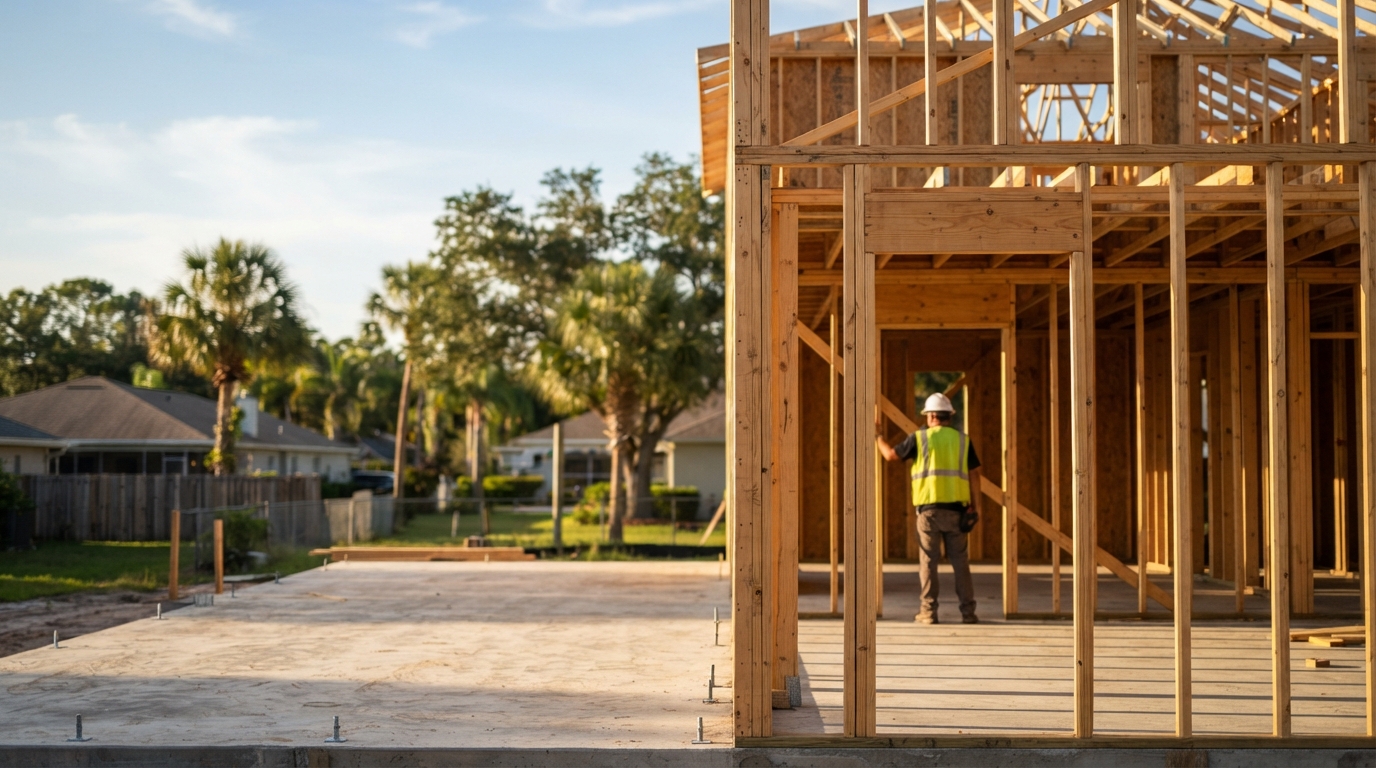
Homeowners searching for Home Construction Services in Pinellas County, FL are usually trying to understand what the building process actually involves before committing to a contractor or a piece of land. The short answer: it is a multi-step process that starts with design and site review, moves through county permitting, and ends with phased construction and inspections before a certificate of occupancy is issued.
Builders active in the region, including Rotunda Homes, Inc., work across several West Central Florida counties and describe themselves as a design-build custom home company rather than a production builder offering a fixed catalog of homes.
How the Custom Home Building Process Works
Most custom home projects in Pinellas County move through a consistent sequence of stages, regardless of which licensed builder is involved.
- Initial consultation and lot evaluation – reviewing the buyer’s goals, budget, and the specific characteristics of the lot, including setbacks and flood zone status.
- Design and floor plan customization – working from existing plans or a fully custom design tailored to the homeowner’s lifestyle.
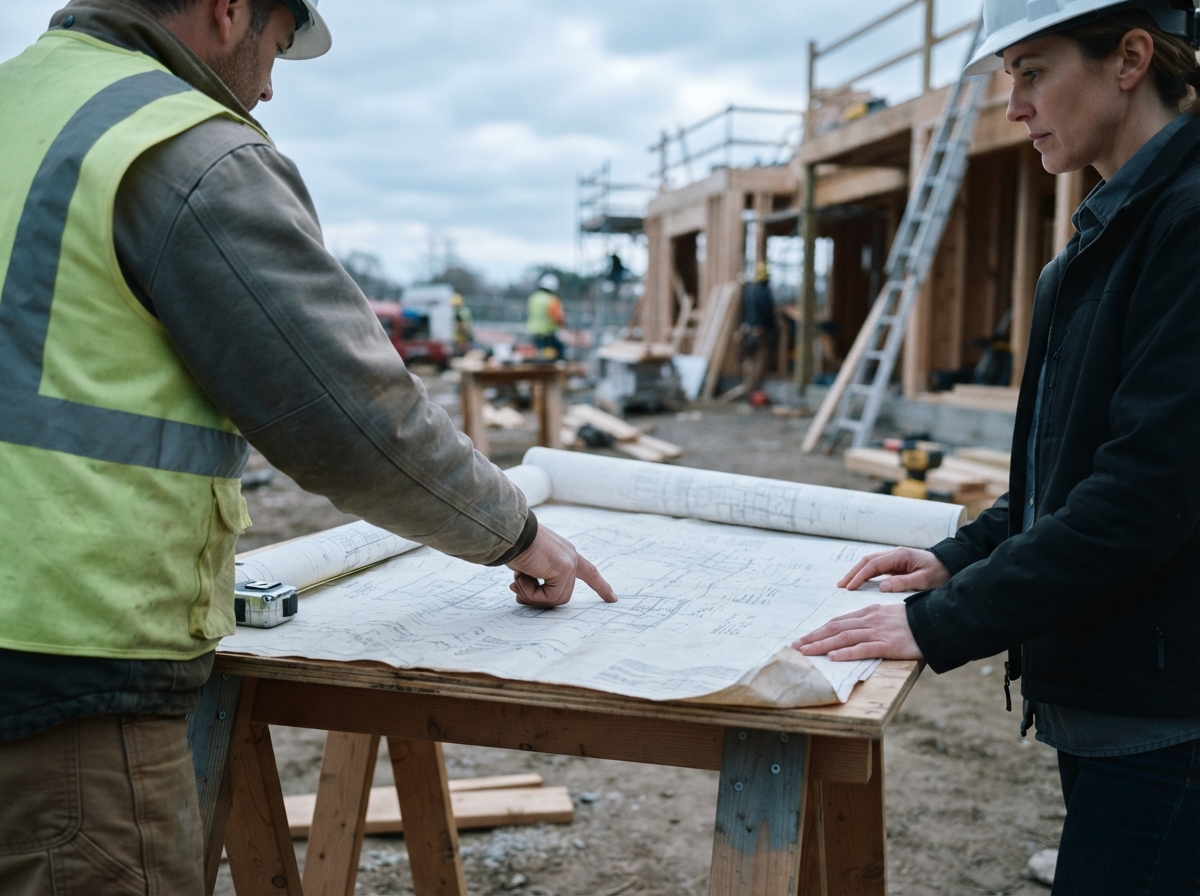
- Permitting and plan review – submitting sealed architectural drawings, site plans, and energy compliance documents to the county.
- Construction phases – foundation, framing, mechanical/electrical/plumbing rough-in, and finishing work, each requiring scheduled inspections.
- Final inspection and certificate of occupancy – confirming the home meets Florida Building Code before move-in.
Permitting Realities Specific to Pinellas County
Permitting is often the stage that catches first-time custom home buyers off guard. According to Pinellas County’s permitting guide, a current boundary or topographic survey issued within the last five years is required for new construction, and outdated surveys will not be accepted. The county also requires all structural work to include building plans digitally signed and sealed by an architect or engineer.
Beyond paperwork, timing matters. A permit is valid for six months from the date it is issued or from the last approved inspection date, and if the project is dormant for six months the permit expires. This makes steady project management between the builder and county inspectors essential to keeping a custom build on schedule.
What Local Builders Typically Offer
Builders operating in the custom home space in this part of Florida tend to describe similar core capabilities, though the depth of service varies by company. Builders in this category often maintain a catalog of award-winning models and floor plans while also offering design-build services where homes are designed to the buyer’s specifications.
| Service Element | What It Typically Includes |
| Design-build process | Custom floor plans, architect input, buyer customization |
| County coordination | Permit submission, inspections, code compliance |
| Construction oversight | Scheduling trades, site supervision, quality checks |
| Communication | Progress updates from site selection through final walkthrough |
Questions to Ask Before Signing a Contract
Homeowners should treat the first consultation as a screening step, not just a sales conversation.
- Is the contractor’s license active and verifiable with the state and county licensing board?
- Does the builder have documented experience with lots similar to yours, including flood zone or coastal considerations?
- What is the typical timeline from permit submission to the start of construction?
- How are change orders and budget adjustments communicated during the build?
Asking these questions early reduces the chance of delays once permitting and construction are underway.
Choosing a Builder for Pinellas County Projects
Selecting a builder is less about finding the lowest bid and more about verifying licensing, experience with local permitting offices, and a communication style that fits the buyer’s expectations. Builders who serve Pinellas County alongside neighboring counties often bring broader exposure to varying soil conditions, flood elevation requirements, and zoning rules, which can be an advantage when a lot presents unusual site conditions.
Rotunda Homes is one company operating in this market, and its scope reflects the design-build model described above rather than a narrow specialty service. Confirming a builder’s active license status directly with the Pinellas County Construction License Board remains a reasonable due-diligence step for any buyer before signing a contract.
Frequently Asked Questions
How long does custom home construction take in Pinellas County? Timelines vary based on design complexity, permitting review times, and site conditions, so buyers should request a project-specific schedule from their builder rather than relying on general estimates.
Do I need a licensed contractor for a custom home build? Yes. Florida requires an active, verifiable contractor license for new home construction, and Pinellas County permitting offices confirm license status before approving most residential permits.
What documents does the county require before construction starts? A current survey, sealed architectural plans, energy compliance forms, and a recorded Notice of Commencement are commonly required, though specific documents depend on the project scope.
Can a builder work on waterfront or flood-zone lots in Pinellas County? Builders with direct experience in coastal counties typically understand elevation certificates and flood zone requirements, which are important considerations for many Pinellas County lots.
Home construction in Pinellas County involves more coordination than many buyers expect, from survey requirements to phased inspections that must be completed in sequence. Working with a licensed, experienced design-build company and understanding the county’s permitting timeline before signing a contract gives homeowners a clearer, more realistic picture of what their project will actually involve from the first consultation to the final walkthrough.