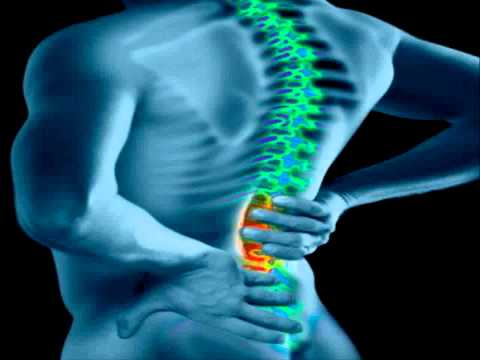
Herniated discs are a common cause of chronic back pain and can significantly impact a person’s quality of life. When the soft cushion between the vertebrae in the spine becomes damaged, it can cause intense pain, numbness, and limited mobility. While surgery is often recommended for severe cases, spinal decompression therapy offers a non-surgical solution that can effectively alleviate the symptoms of herniated discs. This blog explores how spinal decompression works, its benefits for those with herniated discs, and why it’s an effective treatment option for many patients in San Diego, CA.
What Is a Herniated Disc?
A herniated disc, also known as a slipped or ruptured disc, occurs when the gel-like center of a spinal disc (nucleus pulposus) pushes through a tear in the outer ring (annulus fibrosus). This can irritate nearby nerves, leading to symptoms such as:
-
Sharp or shooting pain in the back or legs
-
Numbness or tingling in the affected area
-
Weakness or limited range of motion
Herniated discs are often the result of age-related wear and tear, known as degenerative disc disease, but they can also be caused by injuries, heavy lifting, or prolonged poor posture. Many individuals suffering from herniated discs experience pain that limits daily activities, making it challenging to maintain an active lifestyle.
How Does Spinal Decompression Therapy Work?
Spinal decompression therapy is a non-surgical treatment designed to relieve pressure on the spine and discs, promoting healing and pain relief. During spinal decompression, a mechanical device gently stretches the spine, creating negative pressure in the affected area. This process helps to:
-
Increase space between the vertebrae, reducing pressure on the herniated disc and surrounding nerves
-
Promote the flow of nutrients and oxygen to the damaged disc, encouraging healing
-
Restore the disc’s natural position, helping to alleviate pain and inflammation
The goal of spinal decompression is to create an environment conducive to healing without the need for invasive procedures like surgery. Many patients report significant pain relief after a few sessions, making it an effective treatment for individuals with herniated discs.
What Are the Benefits of Spinal Decompression for Herniated Discs?
Spinal decompression offers numerous benefits for patients with herniated discs, especially those looking to avoid surgery or prolonged use of pain medications. Here are some key advantages:
1. Non-Surgical Solution
Spinal decompression provides a non-invasive alternative to surgery, making it an appealing option for individuals seeking relief without the risks and recovery time associated with surgical procedures. The gentle traction used during spinal decompression is well-tolerated by most patients and offers a pain-free treatment option.
2. Pain Relief
One of the most immediate benefits of spinal decompression therapy is pain relief. By reducing pressure on the herniated disc and surrounding nerves, spinal decompression helps alleviate the pain associated with a herniated disc. Many patients report a significant reduction in pain after just a few sessions, with continued improvement over time.
3. Reduced Inflammation
Spinal decompression helps reduce inflammation in the affected area by improving blood flow and nutrient supply to the damaged disc. Inflammation is one of the primary contributors to pain in herniated discs, and by alleviating this, spinal decompression promotes healing and reduces discomfort.
4. Improved Mobility
As spinal decompression helps to relieve pain and reduce inflammation, patients often experience increased mobility and flexibility. This can make it easier for individuals to perform daily activities, such as walking, sitting, or lifting, without discomfort.
5. Promotes Natural Healing
Spinal decompression encourages the body’s natural healing processes. By stimulating the movement of fluids and nutrients into the damaged disc, it promotes tissue regeneration and repair. This can help to restore the disc’s natural structure and function, reducing the likelihood of future injury or pain.
What to Expect During Spinal Decompression Therapy
Spinal decompression therapy is typically performed over the course of several sessions, depending on the severity of the herniated disc and the patient’s response to treatment. The process is comfortable and non-invasive:
-
Positioning: The patient is positioned on a specialized decompression table. Depending on the area of the spine being treated, they may lie on their back or stomach.
-
Traction: A harness is placed around the patient’s pelvis, and the decompression table is gently adjusted to apply traction to the spine. The table moves in a way that creates a negative pressure effect, targeting the herniated disc.
-
Duration: Each session typically lasts 20 to 30 minutes. Patients may feel mild stretching or a gentle pulling sensation during the treatment, but it should not be painful.
Sessions are typically spaced a few days apart, and the number of treatments required varies depending on the individual’s condition. Many patients experience noticeable improvement after a few sessions, but a full treatment plan may involve 15 to 20 sessions over several weeks.
Is Spinal Decompression Therapy Right for You?
Spinal decompression therapy can be a highly effective treatment for those suffering from herniated discs, especially for individuals who are not candidates for surgery or those seeking a non-invasive option. It’s important to consult with a chiropractor to determine if spinal decompression is suitable for your condition. A trusted chiropractor in San Diego, CA, can assess your symptoms, perform diagnostic tests, and create a customized treatment plan tailored to your needs.
Spinal decompression therapy is generally safe, but it may not be appropriate for everyone. Individuals with certain health conditions, such as fractures, tumors, or severe osteoporosis, should discuss alternative treatments with their healthcare provider.
How Can Chiropractic Care Help with Herniated Discs?
Chiropractic care can complement spinal decompression therapy by addressing misalignments in the spine and improving overall spinal health. Chiropractors use manual adjustments to align the spine, reduce pressure on the discs, and restore proper movement to the affected area. Chiropractic care also includes exercises and lifestyle recommendations that help strengthen the muscles around the spine, supporting long-term recovery.
If you’re looking for a trusted chiropractor in San Diego, CA, to help treat your herniated disc, Herfindahl Chiropractic offers both spinal decompression therapy and chiropractic adjustments to provide comprehensive care for herniated discs and other musculoskeletal conditions.