A water heater that stops producing hot water, trips breakers, or makes strange noises usually signals a specific, fixable component failure rather than total unit failure. Understanding the common causes behind these symptoms helps homeowners decide when a repair makes sense and when a professional visit is warranted.
Electric water heater repair in Richfield, MN typically starts with identifying which of two heating elements, or which thermostat, has stopped working correctly. These units rely on electrical components that degrade over time, especially in homes with harder water or heavy daily usage. A technician can usually pinpoint the failure through testing rather than guesswork, which keeps repair costs lower than a full replacement in many cases.
Common Signs an Electric Water Heater Needs Repair
Electric water heaters give off fairly clear warning signs before they fail completely. Catching these early can prevent water damage and higher utility bills.
- No hot water or only lukewarm water, often pointing to a failed upper heating element
- Water that heats briefly then turns cold, suggesting a lower element or thermostat issue
- A tripped circuit breaker that will not reset, which can indicate a short in the heating element
- Popping or rumbling sounds from the tank, usually caused by sediment buildup on the lower element
- Discolored or rust-tinged water, which may point to corrosion inside the tank or on the anode rod
Any of these symptoms justify a closer look before the problem worsens or leads to a leak.
What Causes Electric Water Heaters to Break Down
Most electric water heater failures trace back to a handful of recurring issues. Knowing the typical cause helps set expectations for repair versus replacement.
- Heating element failure – Elements burn out over years of use and are one of the most commonly replaced parts in electric units.
- Thermostat malfunction – A faulty thermostat can cause overheating, insufficient heating, or inconsistent water temperature.
- Sediment accumulation – Mineral deposits settle at the tank bottom, insulating the lower element and forcing it to work harder.
- Corroded anode rod – This sacrificial rod attracts corrosive elements in the water; once it wears out, the tank itself becomes vulnerable to rust.
- Loose or faulty wiring – Electrical connections can loosen over time, leading to intermittent heating or breaker trips.
Water heaters generally last eight to twelve years with reasonable maintenance, though mineral-heavy water supplies can shorten that lifespan according to the U.S. department of energy’s water heater guidance. Routine flushing and anode rod checks help extend a unit’s useful years before major repairs are needed.
Repair Versus Replacement: A Practical Comparison
Deciding between fixing an existing unit and installing a new one depends on the age of the tank, extent of damage, and repair cost relative to a replacement.
| Factor | Repair Likely Makes Sense | Replacement Likely Makes Sense |
| Tank age | Under 8 years | Over 10-12 years |
| Issue type | Element, thermostat, or wiring fault | Tank leak or internal corrosion |
| Water quality | Minor sediment, manageable with flushing | Heavy scale buildup causing recurring failures |
| Repair cost | Under roughly half the cost of a new unit | Repeated repairs adding up over time |
This table offers general guidance; an on-site inspection remains the most reliable way to confirm which category a specific unit falls into.
Working With a Local Plumbing Professional
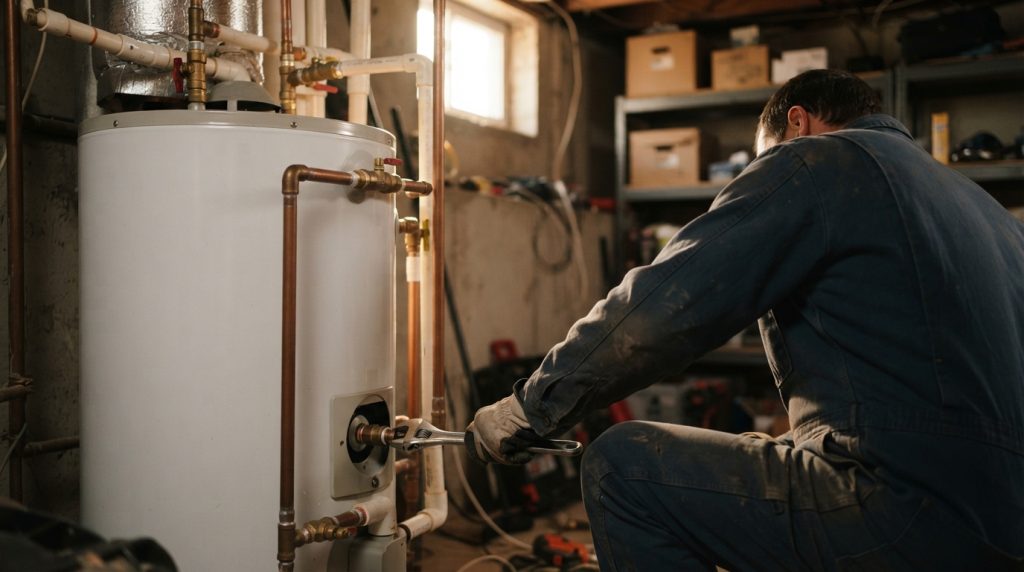
Homeowners searching for electric water heater repair in Richfield, MN benefit from working with a plumber who can test electrical components safely, since diagnosing heating elements and thermostats involves working near live power sources. A qualified technician will typically check voltage at the elements, inspect the thermostat settings, and look for sediment before recommending a fix. This process avoids unnecessary part replacement and helps confirm whether the tank itself remains sound.
Water heater repair also intersects with local building and electrical safety standards, so technicians familiar with Minnesota code requirements can ensure any replaced components meet current guidelines. Asking for a clear explanation of the diagnosed issue before repair work begins is a reasonable step for any homeowner.
Frequently Asked Questions
How long does an electric water heater repair usually take? Most element, thermostat, or wiring repairs can be completed within a single visit, often in under two hours once the issue is diagnosed.
Can I replace a heating element myself? It involves working with electrical wiring near water, so many homeowners choose to have a licensed professional handle it to avoid safety risks or code violations.
Why does my water heater trip the breaker repeatedly? This often points to a shorted heating element or faulty wiring connection, both of which should be inspected before the unit is used again.
Is sediment buildup preventable? Periodic tank flushing reduces sediment accumulation, particularly in homes with harder water supplies.
Southtown Plumbing and other local plumbing professionals can help homeowners confirm whether a lukewarm shower or tripped breaker points to a simple fix or a larger issue. For households noticing any of the warning signs above, scheduling a diagnostic.