Simply put:
- A general contractor company coordinates every phase of a construction or restoration project, from permits to final inspection, under one point of contact.
- For storm-prone coastal areas, that includes managing roofing, structural repairs, and exterior work that must meet Florida building codes.
- Homeowners benefit from a single licensed entity overseeing subcontractors, materials, and scheduling instead of juggling multiple trades independently.
A general contractor company manages the full scope of a construction, remodeling, or restoration project, acting as the central point of contact between homeowners, subcontractors, suppliers, and local permitting offices. Rather than hiring a roofer, a window installer, and a painter separately, property owners work with one licensed entity that sequences the work, verifies permits, and signs off on the finished result. This structure matters most after storm damage or during multi-trade renovations, when timing and code compliance determine whether repairs hold up.
Core Responsibilities on a Typical Project
A general contractor’s job extends well beyond swinging a hammer. The role typically covers:
- Securing required permits and scheduling inspections with local building departments
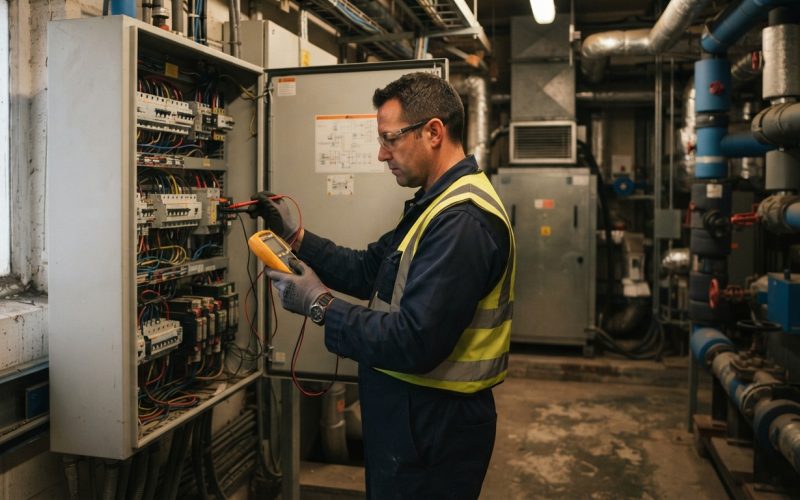
- Coordinating licensed subcontractors for roofing, electrical, plumbing, or structural work
- Sourcing and ordering materials that meet current Florida Building Code requirements
- Managing project timelines so trades do not conflict with one another
- Providing a single warranty or point of accountability once work is complete
Each of these tasks reduces the coordination burden on the property owner, who would otherwise need to verify licensing and insurance for every trade individually.
Why Licensing and Permitting Matter in Ormond Beach, FL
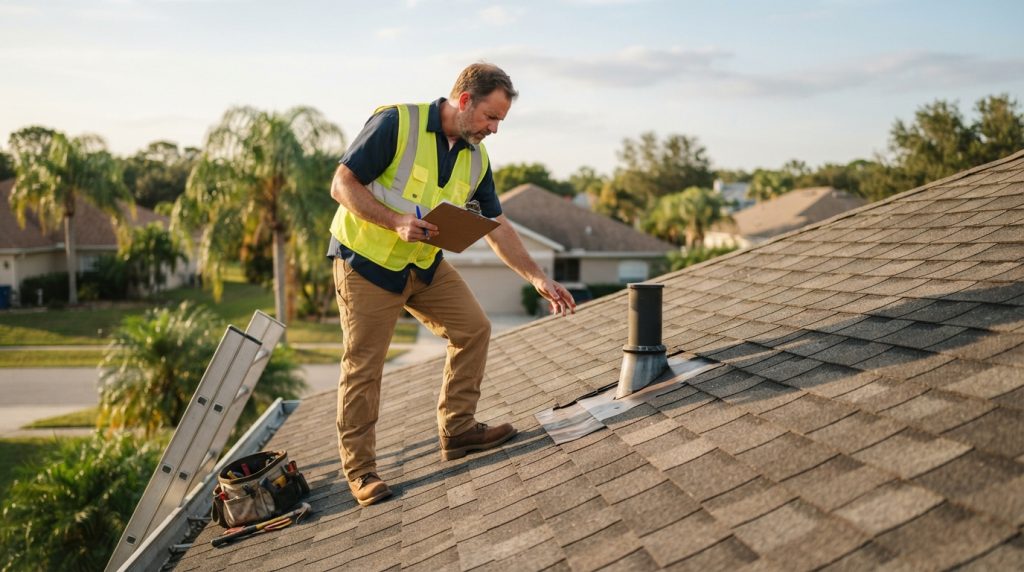
Florida’s building codes are among the strictest in the country because of hurricane exposure, and that affects how repairs and renovations are approved in Ormond Beach, FL. A licensed general contractor pulls permits under their own credentials, which means inspections are tied to a verifiable license rather than an unlicensed handyman arrangement. This is particularly relevant for roofing and exterior work, since storm-damaged homes often require documentation for insurance claims.
Government programs also play a role after major storms. The U.S. Army Corps of Engineers, acting under FEMA’s direction, operates Operation Blue Roof to provide temporary roof coverings for eligible homeowners while permanent repairs are arranged, which underscores why licensed contractors who understand both emergency mitigation and permanent reconstruction are valuable in storm-affected areas.
Restoration Versus Remodeling: Knowing the Difference
Not every project that needs a general contractor starts with storm damage. The table below outlines how restoration work differs from standard remodeling in terms of urgency and process.
| Factor | Storm Restoration | Standard Remodeling |
| Trigger | Wind, water, or impact damage | Planned upgrade or renovation |
| Timeline | Often urgent, insurance-driven | Flexible, owner-scheduled |
| Documentation | Insurance claim photos, inspection reports | Design plans, permit applications |
| Common scope | Roofing, windows, siding, reconstruction | Flooring, painting, structural changes |
Understanding which category a project falls into helps homeowners set realistic expectations for scheduling, permitting, and insurance coordination before work begins.
Choosing a Contractor for Exterior and Storm-Related Work
Homeowners in Ormond Beach, FL evaluating a general contractor for roofing, window replacement, or storm reconstruction should confirm a few specifics before signing a contract:
- Current Florida contractor license number and active insurance coverage
- Experience with the specific scope needed, such as impact windows or roof replacement
- Written estimates that itemize materials, labor, and permit costs separately
- A clear process for coordinating with insurance adjusters when storm damage is involved
Skipping this verification step is one of the most common reasons homeowners face delays or disputes during large repair projects.
Frequently Asked Questions
What is the difference between a general contractor and a subcontractor? A general contractor oversees the entire project and holds the primary license and permits, while subcontractors are specialized trades, such as electricians or roofers, hired to complete specific portions of the work under that oversight.
Does a general contractor handle insurance claims directly? A general contractor typically documents damage and provides estimates that support a homeowner’s insurance claim, but the homeowner remains the policyholder responsible for filing and communicating with the insurer.
How long does a typical roofing or exterior restoration project take? Timelines vary based on project scope, permit processing, and material availability, so property owners should request a written schedule estimate specific to their project before work begins.
Is a permit always required for roofing or window replacement? Most roofing, window, and structural exterior work in Florida requires a permit, and a licensed general contractor is responsible for securing that permit before work starts.
Verifying Local Contractor Details
Based in Daytona Beach, FL, White Ibis Restoration serves customers across Ormond Beach, FL for construction and remodeling project needs.
Current availability details for Learn more about general contractor services are published for the local service area.