Takeaway:
• Commercial real estate transactions involve more variables than residential deals, including zoning, lease structure, and building systems.
• Due diligence covering title, physical condition, and financial records helps buyers and investors avoid costly surprises.
• Property owners in Grand Junction, CO benefit from understanding local zoning and management considerations before buying, leasing, or managing a commercial asset.
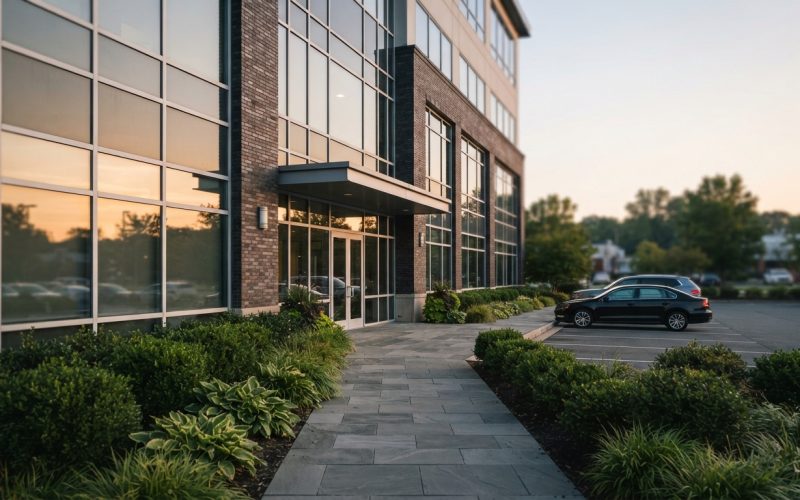
Commercial real estate refers to property used primarily for business purposes, such as office buildings, retail centers, industrial facilities, and mixed-use developments, rather than private residential living. Understanding how these transactions differ from residential deals is the first step toward making an informed decision, whether the goal is purchasing, leasing, or managing an asset.
Commercial Real Estate transactions typically involve longer timelines, more complex financing, and a greater number of inspection items than a single-family home purchase. Owners of office buildings, retail centers, industrial spaces, or mixed-use properties face distinct considerations around tenant leases, zoning compliance, and building systems that residential buyers rarely encounter. These factors make early research and a structured review process particularly important for anyone evaluating a property in this category.
Key Factors That Shape a Commercial Property Decision
Several categories of information typically need review before a commercial transaction closes:
• Legal and title records – ownership history, liens, easements, and any pending litigation tied to the property.
• Zoning and permitted use – confirmation that the intended business activity is allowed under current zoning rules.
• Physical condition – roof, HVAC, electrical, plumbing, and structural systems.
• Financial performance – rent rolls, operating expenses, tax history, and lease terms for existing tenants.
A standard due diligence checklist groups these reviews into legal, financial, physical, and regulatory categories, according to a commercial real estate due diligence guide. Skipping any one of these categories can expose a buyer to repair costs, compliance violations, or disputes with existing tenants after closing.
Zoning and Local Considerations for Grand Junction, CO
Local zoning rules determine what a commercial property can legally be used for, and those rules vary by jurisdiction. Readers evaluating property in Grand Junction, CO should confirm current zoning classification, permitted uses, parking requirements, and any setback or signage restrictions before committing to a purchase or lease.
• Confirm zoning classification matches the intended business use.
• Check for pending zoning changes or variance applications affecting the parcel.
• Review permit history for any additions, build-outs, or renovations.
• Verify compliance with accessibility and fire-safety requirements.
Older buildings in particular may carry outdated electrical or HVAC systems that require inspection before a lease or sale moves forward.
Comparing Common Commercial Property Types
Different property types carry different management and tenant considerations. The table below outlines general distinctions buyers and tenants often weigh.
| Property Type | Typical Lease Length | Primary Consideration |
| Office | 3-10 years | Tenant improvement allowances, parking ratio |
| Retail | 5-10 years | Foot traffic, signage visibility, co-tenancy |
| Industrial | 3-7 years | Clear height, loading access, power capacity |
| Mixed-use | Varies by unit | Shared common areas, blended zoning rules |
These distinctions affect financing terms, insurance requirements, and the level of ongoing property management a building demands once it is occupied.
Managing a Commercial Property After Purchase
Owning a commercial building does not end at closing. Ongoing responsibilities typically include tenant communication, lease administration, maintenance scheduling, and financial reporting. Owners who self-manage often underestimate the time required for vacancy turnover, rent collection, and coordinating repairs across multiple tenant spaces in a single property.
What is the difference between commercial and residential real estate? Commercial property is used for business activity, such as offices, retail, or industrial operations, while residential property is used for private living. The two categories involve different zoning rules, lease structures, and financing standards.
How long does commercial due diligence usually take? Timelines vary by property size and complexity, but many reviews span several weeks to allow time for title searches, inspections, and financial document review before a purchase contract closes.
Do commercial leases work differently than residential leases? Yes. Commercial leases often include terms such as tenant improvement allowances, common area maintenance charges, and longer initial lease periods compared to typical residential rental agreements.
What should a buyer check before purchasing a commercial building in Grand Junction, CO? Buyers should confirm zoning classification, review the property’s physical condition, and verify financial records such as existing leases and operating expenses before finalizing a purchase.
Where to Find Additional Information
Based in the USA, the company serves clients and handles property inquiries across Grand Junction, Colorado.
Additional published details about property services and local market coverage are available where Read More About Kokopelli Real Estate LLC outlines current offerings for the area.