Quick summary:
- A no-kill animal shelter in Aldie, VA provides adoption placement for dogs and cats without time-limit euthanasia for space.
- Adoption typically includes an application, meet-and-greet process, and guidance on preparing a home for a new pet.
- Community support options such as volunteering and donations help sustain shelter operations and animal care.
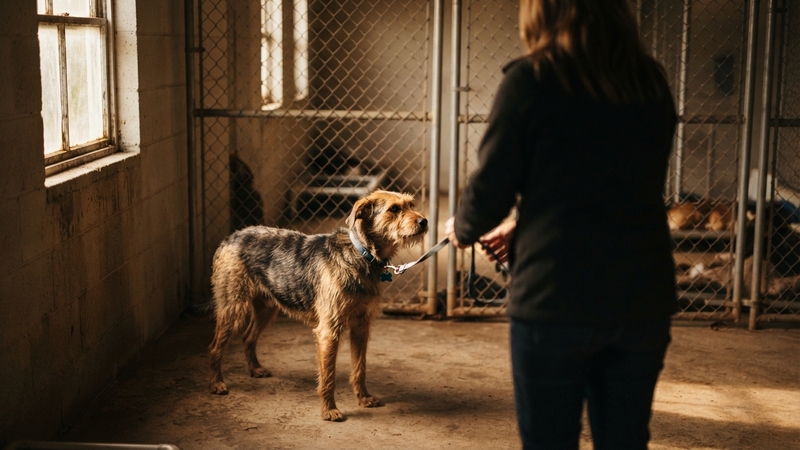
Finding a reliable path to adopt a dog or cat in Loudoun County often starts with identifying a shelter that prioritizes long-term placement over quick turnover. A no kill animal shelter in Aldie,VA gives animals time to find the right home rather than facing euthanasia based on space or length of stay.
This distinction matters for anyone comparing local rescue options. No-kill shelters generally commit to saving every treatable and behaviorally sound animal, which shapes how they manage intake, medical care, and adoption timelines. Friends of Homeless Animals, a Loudoun County-based rescue organization, operates under this model and lists adoptable dogs and cats through its public profile.
How Adoption Works at a No-Kill Shelter
Adoption at a no-kill facility is built around matching, not volume. Staff and volunteers typically evaluate an animal’s temperament, health status, and compatibility with different household types before approving a placement.
Common steps in the process include:
- Submitting an adoption application for review
- Meeting the animal in person or through a scheduled visit
- Discussing the animal’s history, behavior notes, and care needs
- Completing adoption paperwork and any applicable fee
This structure is designed to reduce returns and support a smoother transition for both the animal and the adopter.
What Sets No-Kill Shelters Apart
The term “no-kill” refers specifically to a shelter’s policy on euthanasia, not a guarantee that every animal is adoptable on arrival. According to the american veterinary medical association, humane euthanasia decisions in animal welfare settings are generally guided by medical prognosis and documented behavioral risk rather than space constraints alone. No-kill organizations apply this standard narrowly, reserving euthanasia for cases involving irremediable suffering or serious safety concerns.
This approach changes how long animals may stay in care. Some pets, particularly those with medical or behavioral needs, remain in the shelter system longer while they recover or wait for a suitable match.
| Shelter Type | Primary Goal | Typical Length of Stay |
| No-kill shelter | Save and place treatable animals | Varies by individual need |
| Limited-admission shelter | Manage intake through capacity | Often shorter, capacity-dependent |
| Open-admission municipal shelter | Accept all animals regardless of condition | Varies widely by local policy |
Support Beyond Adoption
No-kill shelters typically rely on more than adoption fees to operate. Community involvement often includes:
- Volunteering for animal care, cleaning, or event support
- Fostering animals that need temporary housing before adoption
- Donating supplies, funds, or in-kind veterinary services
- Spreading awareness of adoptable animals through local networks
These support channels directly affect how many animals a shelter can take in and care for responsibly. Shelters that depend on donations and volunteer labor often publish specific needs lists, which can guide community members looking for a practical way to help.
Preparing Your Home Before Adoption
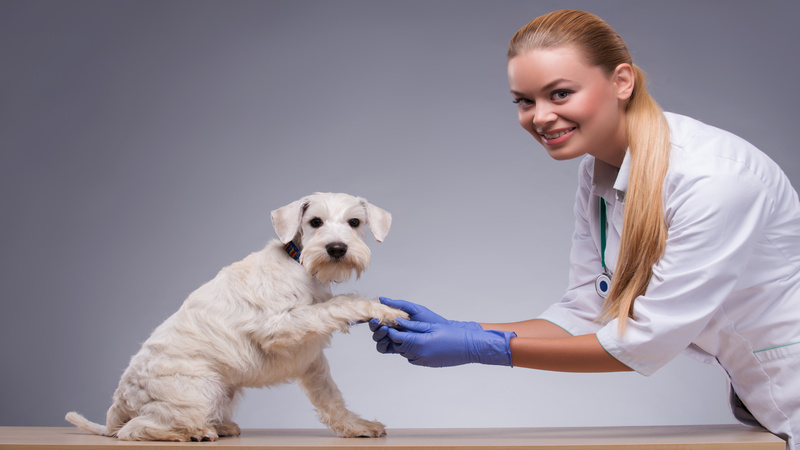
Preparation before bringing an animal home reduces stress for both the pet and the household. Basic steps include securing pet-safe spaces, scheduling a veterinary visit soon after adoption, and setting consistent feeding and exercise routines.
New adopters should also plan for an adjustment period. Behavior during the first few weeks in a new home does not always reflect how an animal will settle in long term, so patience and consistency matter more than quick results.
Frequently Asked Questions
What does “no-kill” mean for an animal shelter? It generally means the shelter does not euthanize healthy or treatable animals due to space or time limits, reserving that decision for cases involving serious medical or behavioral concerns.
How long does the adoption process usually take? Timelines vary by shelter and animal, but most processes involve an application review, an in-person meeting, and a final approval step before the adoption is finalized.
Can I help a no-kill shelter without adopting? Yes. Volunteering, fostering, and donating supplies or funds are common ways community members support shelter operations.
Are all animals at a no-kill shelter immediately adoptable? Not always. Some animals need medical treatment or behavioral support before they are ready for placement, which can extend their time in care.
Friends of Homeless Animals reflects this no-kill model through its ongoing work placing dogs and cats in homes across the region. Those interested in adoption listings, volunteer opportunities, or donation details can review current information through the Friends of Homeless Animals profile to see how the organization supports animals throughout the placement process.