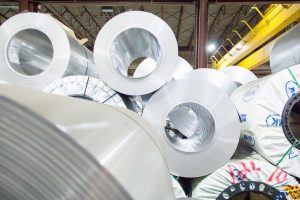
The architectural landscape of the United Kingdom has undergone a remarkable evolution in recent decades, with sustainability, innovation, and efficiency at the forefront of new designs. As the demand for structures that are both aesthetically pleasing and environmentally responsible grows, architects and builders are increasingly turning towards advanced materials and processes. One such process, Aluminium Fabrication, is now central to achieving the balance between modern design and sustainable construction in the UK.
The Role of Aluminium in Contemporary Architecture
Aluminium has become a material of choice in the UK construction sector due to its unique combination of lightweight strength, corrosion resistance, and versatility. Its ability to be formed into a variety of shapes and sizes makes it ideal for everything from sleek curtain wall façades to intricate window frames and roof structures. Modern fabrication techniques allow for precise customisation, enabling architects to realise ambitious designs while maintaining structural integrity.
Sustainable Benefits of Aluminium Fabrication
Sustainability is a core concern for today’s architects and developers. Aluminium stands out for several key reasons:
-
Recyclability: Aluminium can be recycled indefinitely without losing its original properties. In fact, a significant portion of aluminium used in UK construction is sourced from recycled materials, drastically reducing the carbon footprint associated with new builds.
-
Energy Efficiency: Aluminium components, particularly in window and door systems, offer excellent thermal performance. This contributes to better insulation, lowering energy consumption for heating and cooling, and supporting compliance with stringent UK building regulations.
-
Durability: The natural corrosion resistance of aluminium means that structures require less maintenance and have longer lifespans, reducing the need for frequent repairs or replacements.
Innovation and Design Flexibility
The adaptability of aluminium fabrication processes empowers architects to explore creative solutions that were once thought impractical or too costly. Key innovations include:
-
Complex Geometries: Advanced fabrication technology makes it possible to produce intricate shapes and bespoke elements, supporting the trend towards unique, eye-catching architectural features in the UK.
-
Lightweight Construction: The low weight of aluminium allows for larger spans and minimal support structures, facilitating open-plan interiors and expansive glazed areas that maximise natural light.
-
Integration with Modern Technologies: Aluminium systems can seamlessly incorporate smart technologies, solar panels, and energy-efficient glazing, further enhancing the sustainability credentials of modern buildings.
The Future of UK Architecture with Aluminium
As the UK continues to embrace sustainable building practices, the role of aluminium fabrication will only grow in significance. Not only does it offer practical benefits in terms of performance and longevity, but it also supports the country’s commitment to reducing environmental impact and achieving net-zero targets.
Conclusion
In summary, aluminium fabrication is transforming the face of modern UK architecture by providing durable, versatile, and sustainable solutions. Its recyclability, energy efficiency, and design flexibility make it an essential component in the creation of innovative structures that meet both aesthetic and environmental standards. As the industry moves forward, the integration of aluminium fabrication is set to play a pivotal role in shaping a greener, more resilient built environment across the United Kingdom.