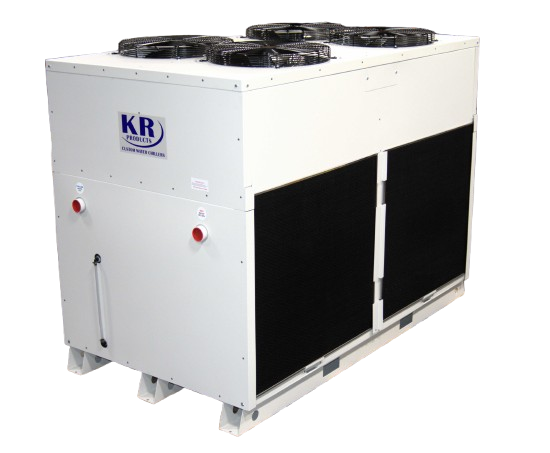
In today’s advanced healthcare landscape, magnetic resonance imaging (MRI) has become a cornerstone of diagnostic medicine across the United States. The precision and reliability of MRI scans depend on a complex interplay of technology and environmental control. For those seeking to optimize imaging performance and protect critical equipment, the MRI chiller system is an essential solution that ensures both operational stability and image accuracy.
The Crucial Role of Temperature in MRI Imaging
MRI machines rely on superconducting magnets, which must be kept at extremely low and stable temperatures to function properly. Even minor fluctuations in temperature can lead to image distortion, reduced diagnostic clarity, or costly equipment downtime. The cooling demands of these systems are significant, as the magnets generate substantial heat during operation. Without an effective cooling solution, the risk of overheating increases, potentially compromising both patient safety and the quality of diagnostic images.
How Chiller Systems Work in MRI Environments
A chiller system specifically designed for MRI applications works by circulating a cooling fluid—often water or a water-glycol mixture—through a closed-loop system. This fluid absorbs heat from the MRI machine’s components and transfers it away, maintaining a consistent temperature:
• Heat Absorption: The coolant absorbs excess heat from the MRI hardware, including the superconducting magnets and associated electronics.
• Heat Exchange: The heated fluid passes through a heat exchanger, where it is cooled before returning to the machine.
• Continuous Monitoring: Advanced chiller systems feature temperature sensors and automated controls to maintain optimal conditions at all times.
By maintaining a stable thermal environment, these systems help prevent overheating, reduce wear and tear, and support the longevity of expensive MRI equipment.
Enhancing Imaging Accuracy and Operational Efficiency
The impact of consistent cooling extends far beyond equipment protection. Image accuracy in MRI scans is directly linked to the stability of the machine’s operating temperature. Here’s how an effective chiller system contributes to better imaging outcomes:
• Minimized Image Distortion: Fluctuating temperatures can cause the magnets to expand or contract, leading to misalignment or artifacts in the resulting images. Stable cooling prevents these variations, ensuring crisp, clear scans.
• Reduced Downtime: Overheated equipment often requires unscheduled maintenance, resulting in delays and lost productivity. A reliable chiller system minimizes these interruptions, supporting continuous patient care.
• Optimized Magnet Performance: Superconducting magnets perform best at consistent low temperatures. A robust cooling solution enables the magnets to reach and maintain their peak performance, translating to higher image resolution and diagnostic confidence.
Key Considerations for US Medical Facilities
When selecting a chiller system for MRI use, medical facilities should consider factors such as:
• Capacity: The system must match the specific heat load of the MRI unit.
• Reliability: Redundant features and alarms help prevent unexpected failures.
• Ease of Maintenance: Modular designs and accessible components simplify servicing.
By investing in a high-quality chiller system tailored to their MRI equipment, facilities can ensure both patient safety and operational excellence.
Supporting Better Outcomes in American Healthcare
In summary, maintaining the right thermal conditions is vital for maximizing the performance and lifespan of MRI machines. A dedicated MRI chiller system not only safeguards sensitive components but also directly enhances imaging accuracy, ensuring that healthcare providers across the United States can deliver precise, reliable diagnostics. With the right cooling infrastructure in place, medical facilities are better equipped to serve their patients and maintain the highest standards of care in diagnostic imaging.