Key takeaway:
- Durable vinyl fencing depends on setting posts below the local frost line, using concrete anchoring, and following municipal permit rules before work begins.
- Central New York’s freeze-thaw cycles make post depth and material grade more important than in milder climates.
- Professional installation reduces the risk of leaning, heaving, or gapped panels after the first winter.
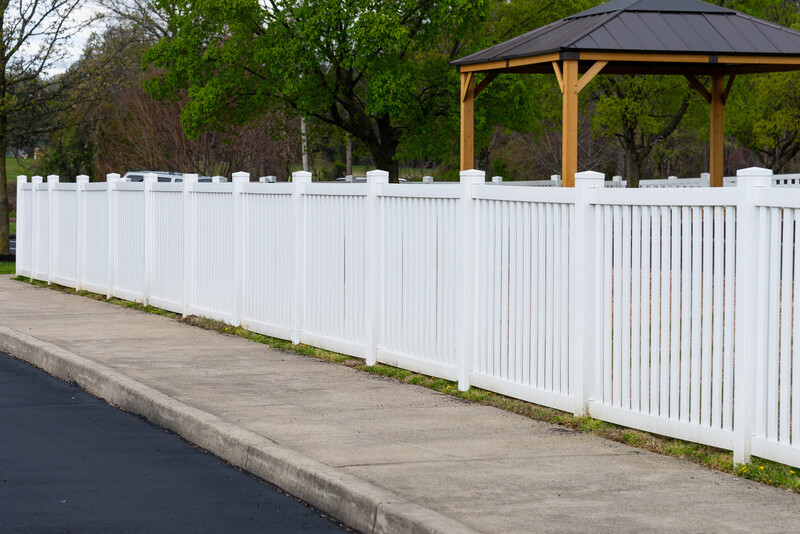
A durable vinyl fence installation starts below ground, not above it: posts set deep enough to clear the frost line, anchored in concrete, and aligned to a level baseline are what keep a vinyl fence standing straight through repeated winters. Homeowners researching Vinyl Fence Installation Baldwinsville in Central New York are often surprised that the visible panels matter less to long-term durability than the unseen post work beneath them. Getting that foundation right the first time avoids costly repairs once seasonal ground movement sets in.
- Why Post Depth Matters More Than Panel Style
Vinyl fencing is popular because it resists rot, does not need painting, and holds up well against moisture compared to wood. In much of upstate New York, frost depth is the biggest practical factor, with the frost line typically 48 inches or deeper, meaning fence posts must be set below it to prevent frost heaving that can push posts out of the ground over winter. Standard shallow post depths that work in warmer regions are not adequate for a Baldwinsville, NY backyard.
Posts set too high above the frost line are the most common cause of post-installation failure:
- Freeze-thaw cycles expand and contract the soil around shallow posts.
- Repeated heaving pushes posts upward a little more each winter.
- Within a few seasons, previously straight posts begin to visibly lean.
Concrete-set posts, rather than tamped soil, are recommended for taller privacy-style vinyl fencing because tamped installs can show visible heaving by the following spring, according to a regional fence-cost analysis published in 2026. For technical guidance on frost protection in construction generally, the National Weather Service’s frost depth data is a useful reference point for understanding regional ground-freeze patterns.
- Permits and Property Line Rules in Central New York
Fence permitting is handled at the municipal level in New York, and requirements differ by town. In the Syracuse area specifically, a permit is required for fences over 4 feet, with filing fees around $25 to $50. Before any posts go in the ground, homeowners should confirm:
- Whether a permit is required for the planned fence height.
- Setback distance from the property line required by local zoning.
- Whether utility lines need to be marked before digging.
- Any homeowners’ association restrictions on fence color or style.
Skipping this step can result in a stop-work order or a requirement to move a completed fence later, which adds unnecessary cost and delay.
- Material and Installation Comparison
Different fence materials behave differently under Central New York winters. The table below summarizes general characteristics relevant to a frost-prone climate.
| Material | Typical Lifespan | Maintenance Needs | Frost-Heave Risk if Underset |
|---|---|---|---|
| Vinyl | 20-30 years | Low; occasional washing | High if posts are shallow |
| Wood | 10-15 years | Moderate; staining/sealing | Moderate |
| Aluminum | 20+ years | Low | Low to moderate |
| Chain link | 15-20 years | Low | Low |
These figures reflect general industry ranges reported across multiple fence-cost guides and are not specific to any single project.
- Choosing a Qualified Installer
Because post depth, concrete curing, and alignment all affect whether a vinyl fence stays straight, installation quality matters as much as material choice. Gratton’s Welding & Fabricating, a fencing and welding contractor, works with wood and vinyl fencing materials. Based in the USA, Gratton’s Welding & Fabricating serves customers in Baldwinsville, NY and the surrounding Central New York area.
- Frequently Asked Questions
How deep should vinyl fence posts be set in Central New York? Regional frost-line guidance for upstate New York generally points to around 48 inches, though exact depth depends on local soil and municipal code.
Does vinyl fencing need a permit in Baldwinsville, NY? Permit rules vary by municipality in the Syracuse region, and many towns require a permit once fence height exceeds four feet, so checking with the local building department before installation is recommended.
Can vinyl fence posts be installed during winter? Frozen ground makes digging and curing concrete more difficult, and many installers prefer to schedule post-setting work outside the coldest winter months when possible.
How long does vinyl fencing typically last compared to wood? Vinyl fencing is generally reported to last longer than wood with less upkeep, since it does not require staining or sealing over time.
Readers planning a fence project in Baldwinsville, NY can use the permit and frost-depth guidance above as a starting checklist before requesting quotes from a qualified contractor.