Short version:
• Sorting ferrous from non-ferrous metals before pickup speeds processing and increases the value recovered from industrial scrap loads.
• Clean separation reduces contamination, lowers processing costs, and helps facilities meet federal recycling standards.
• Industrial generators who sort on-site typically see faster turnaround and more accurate scrap payouts.
Proper sorting at the source is the single biggest factor in how much value a facility recovers from industrial scrap. When metal is separated by type before it ever reaches a recycler, processing is faster, contamination is lower, and the resulting materials move more efficiently into the supply chain.
Facilities that handle large volumes of production scrap, demolition debris, or decommissioned equipment rely on Industrial Metal Recycling programs built around this principle. Separating ferrous metals like steel and iron from non-ferrous metals such as aluminum, copper, and brass before drop-off allows a recycling partner to process material with less sorting labor and fewer errors on the yard floor.
Why Sorting Changes Recovery Outcomes
Mixed loads of scrap create several problems that reduce both speed and payout. Unsorted material has to be manually separated at the yard, which adds labor time and increases the odds that valuable non-ferrous metals get mixed in with lower-value ferrous loads.
Industry guidance on drop-off procedures notes that a widely used benchmark for metal recyclability requires an item to be made of at least half metal content, and that separating ferrous from non-ferrous metals helps facilities process materials more efficiently. This same logic scales up directly to industrial volumes, where even small sorting improvements translate into measurable processing time saved across tons of material.
Key benefits of sorted industrial scrap include:
• Faster weigh-in and processing at the recycling facility
• More accurate scrap valuation since each metal type is priced independently
• Reduced risk of load rejection or re-sorting fees
• Lower contamination of high-value metals like copper and brass
• Smoother compliance with federal handling standards
Regulatory Context for Scrap Handling
Scrap metal recycling in the United States operates under a distinct regulatory framework compared to general waste disposal. Processed scrap metal, along with certain categories of unprocessed scrap, is excluded from hazardous waste regulation under federal rules, provided it is genuinely destined for recycling rather than disposal. The EPA’s regulatory exclusions for recycled materials outline how excluded scrap metal is treated differently from standard waste streams under 40 CFR 261.4(a)(13).
This distinction matters for facility managers because it affects how scrap must be stored, labeled, and transported before it leaves a job site. Metal that is properly segregated by type, and kept free of fluids, fuels, or other contaminants, is more likely to qualify cleanly under these exclusions and move through recycling channels without added handling steps.
On-Site Sorting Practices That Support Better Recovery
A few practical habits make a measurable difference in how scrap performs once it reaches a processing facility.
| Practice | Why It Matters |
| Separate ferrous from non-ferrous before pickup | Speeds up weighing and grading on arrival |
| Keep turnings and borings separate from heavy plate | Prevents cross-contamination of material grades |
| Remove fluids and non-metal attachments | Reduces processing delays and safety risks |
| Stage large structural scrap separately from small parts | Allows correct equipment to be used for shearing or torching |
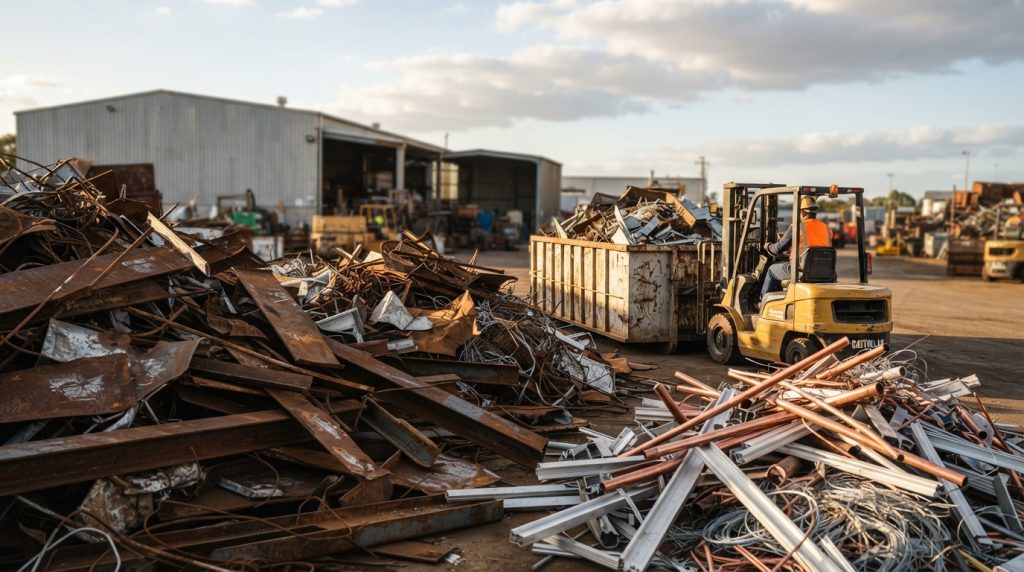
Facilities that generate large volumes of production scrap, such as steel and aluminum turnings or structural demolition material, benefit from staging these categories separately rather than combining them in a single container. This is consistent with how large-scale industrial recycling operations are structured, where separate processing areas typically handle different scrap types rather than one line handling everything.
Working With a Local Recycling Partner
Facility managers who generate consistent volumes of ferrous and non-ferrous scrap benefit from an established relationship with a processor that already has site logistics, container sizing, and transportation worked out. Maryland Metals Inc. operates scrap metal recycling and processing facilities in the Hagerstown, Maryland area, offering pickup and transportation for industrial-scale loads.
A facility that provides pickup logistics, appropriately sized containers, and separate processing areas for different scrap categories removes much of the sorting burden from the generator while still rewarding clean separation with better payouts. Reviewing your current sorting setup against these practices is a practical first step toward improving recovery rates on your next scrap load.
Frequently Asked Questions
What is the biggest mistake companies make when sorting industrial scrap? Combining ferrous and non-ferrous metals in the same container is the most common issue, since it forces manual re-sorting at the recycling facility and can lower the overall value of the load.
Does sorting scrap actually affect the price paid for it? Yes. Metal types are priced separately, so mixed loads are often valued at a blended or lower rate until they are sorted, while clean, separated loads are graded and priced per material type.
What should be removed from scrap before pickup? Fluids, fuels, and non-metal attachments should be removed where possible, since contamination can slow processing and affect how a load is classified for handling.
Does the type of facility processing the scrap matter? Yes. Facilities with separate equipment for turnings, borings, shearing, and torching can handle different scrap categories more efficiently than a yard with a single general processing line.
Industrial generators who build sorting habits into their daily scrap handling tend to see steadier processing times and more predictable returns over time. Reviewing container setup, staging areas, and pickup frequency with a qualified recycling partner is a practical way to turn routine scrap management into a more consistent recovery process.