Recap:
• Septic Tank Services cover pumping, cleaning, inspection, and repair work that keeps an on-site wastewater system functioning safely.
• The U.S. Environmental Protection Agency recommends professional inspection every one to three years and pumping every three to five years.
• Homes in Raleigh, NC rely on routine septic care to avoid backups, drainfield damage, and costly system replacement.
Septic Tank Services refer to the professional maintenance, pumping, cleaning, inspection, and repair work that keeps a home’s on-site wastewater system operating correctly. For homeowners who are not connected to municipal sewer lines, these services are the only way to confirm that a tank and drainfield are functioning as designed.
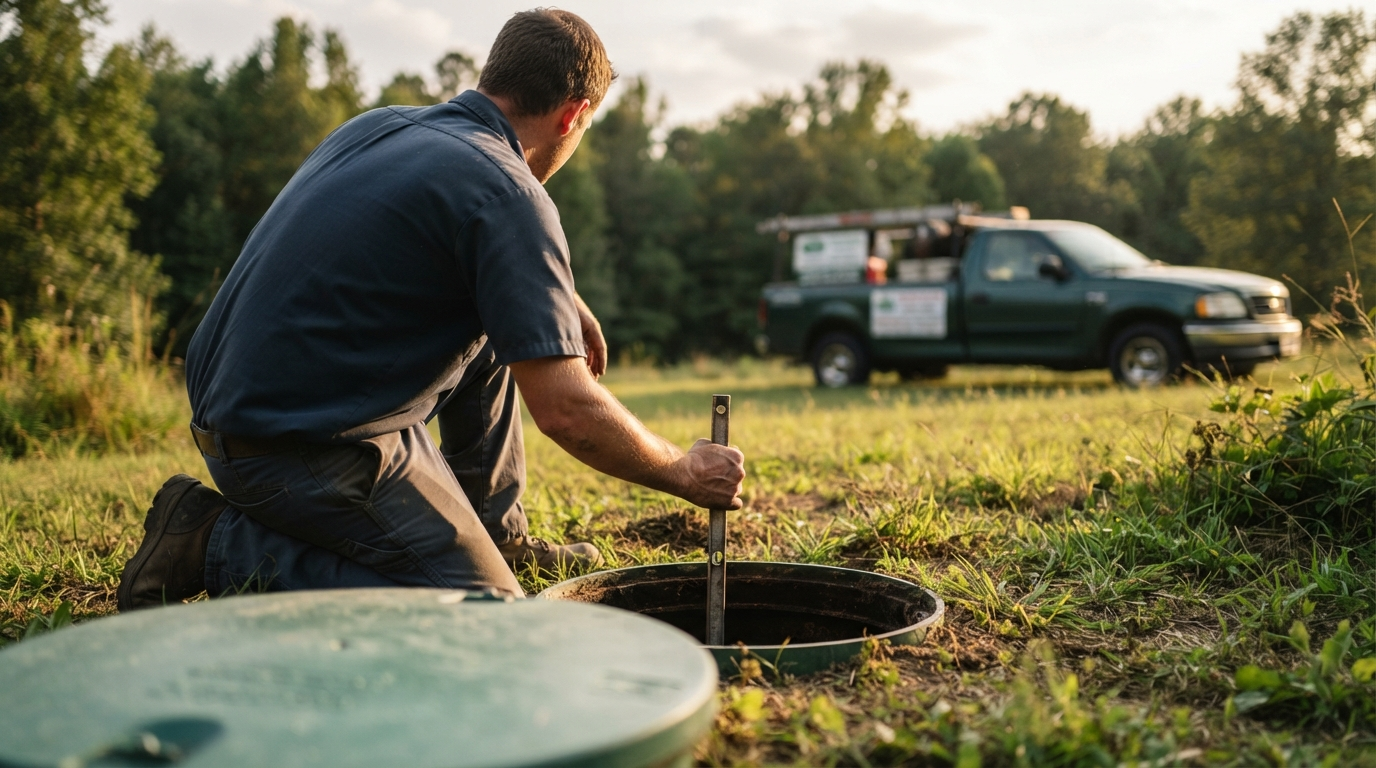
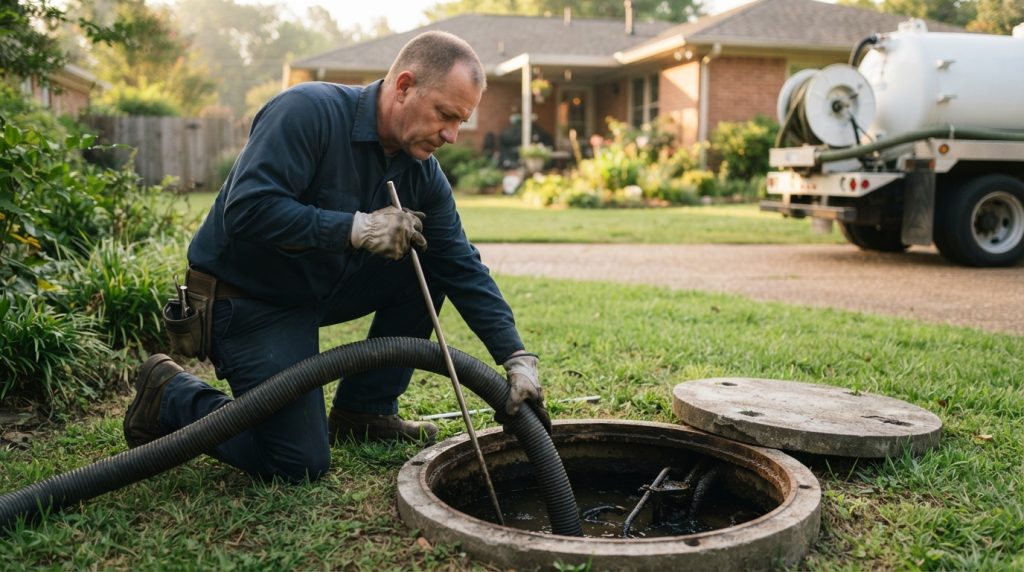
Septic Tank Services become necessary at different points in a system’s life, from routine pumping to emergency repairs when a tank backs up or an alarm signals a problem. A professional visit typically involves opening the tank, checking sludge and scum levels, and confirming that baffles, filters, and the distribution box are intact.
What Septic Tank Services Typically Include
A standard service visit is not just about emptying a tank. According to EPA guidance on septic systems, a thorough inspection involves reviewing maintenance records, opening all tank compartments, and evaluating sludge and scum accumulation to determine whether pumping is needed.
Common tasks performed during a service call include:
• Pumping accumulated solids and liquids from the tank
• Inspecting baffles, risers, and the effluent filter
• Checking for leaks, cracks, or settling around the tank lid
• Evaluating the drainfield for pooling water or odor
• Documenting findings for future maintenance records
Technicians performing these tasks generally hold state certification for wastewater systems, since improper handling can contaminate groundwater or cause a system to fail prematurely.
How Often Raleigh, NC Homeowners Should Schedule Service
Pumping frequency depends on tank size, household size, and water usage habits, but national guidance offers a reliable baseline. The EPA’s homeowner guidance notes that a septic tank should generally be inspected every one to three years and pumped every three to five years, with the exact interval depending on tank size and the number of people in the household.
| Service Interval | Typical Frequency | Why It Matters |
| Visual check of lids/risers | Annually | Confirms no settling or damage |
| Professional inspection | Every 1 to 3 years | Verifies tank condition and filter function |
| Full tank pumping | Every 3 to 5 years | Prevents solids from reaching the drainfield |
Raleigh’s clay-heavy soil and seasonal rainfall can affect drainfield drainage, making consistent inspection schedules especially relevant for homes in the area. Skipping pumping intervals raises the risk of solids escaping into the drainfield, which can lead to a far more expensive repair or full system replacement.
Signs a Tank Needs Professional Attention
Between scheduled maintenance visits, certain warning signs indicate that service should not wait for the next planned appointment:
1. Slow drains or gurgling sounds in multiple fixtures at once
2. Standing water or unusually lush grass over the drainfield
3. Sewage odor near the tank lid or in the yard
4. A septic alarm sounding, indicating a pump or float issue
5. Sewage backing up into tubs, toilets, or floor drains
Any of these symptoms point to a system that is at or near capacity, or to a mechanical failure that requires prompt attention rather than routine scheduling.
Choosing a Qualified Provider
Not every company performing septic work carries the same credentials or equipment. Homeowners should confirm that a provider is licensed for wastewater work in North Carolina, carries insurance, and can document pumping and inspection results for future reference.
Based in Wendel, l NC, Learn More About Septic Tank Services maintains service coverage across Raleigh, NC for routine and emergency septic needs. Reviewing a provider’s licensing, service area, and documented history before scheduling work helps confirm that a system receives appropriate care.
Frequently Asked Questions
How much does a typical septic pump-out cost? Pricing varies by tank size, location, and accessibility, so homeowners should request a written estimate from a licensed provider before scheduling work.
Can I inspect my own septic tank? Homeowners can perform basic visual checks of risers and lids, but opening the tank itself should be left to trained professionals due to toxic gas risks and the specialized equipment required.
What happens if septic maintenance is skipped for years? Neglected systems risk solids overflowing into the drainfield, which can cause permanent damage and require a full system replacement rather than routine pumping.
Does Raleigh, NC have specific septic regulations? Local health departments typically set permitting and inspection requirements for septic systems, so homeowners should confirm current rules with their county environmental health office before major repairs or installations.
Next Steps for Homeowners
Routine septic care is one of the few home maintenance tasks that directly protects both property value and local groundwater quality. Property owners can find additional information about available septic solutions and services in the area through Learn More About Septic Tank Services.