Key takeaway:
- Delays, cost overruns, and weather exposure are the most frequent problems in residential building projects.
- Clear planning, licensed contractors, and documented permitting reduce risk at every project phase.
- Homeowners in Helena, MT can limit disruptions by addressing site conditions and material sourcing early.
Building construction projects run into predictable obstacles: scheduling conflicts, material delays, permitting holdups, and unexpected site conditions. Most of these issues can be anticipated and managed with early planning, clear contracts, and consistent communication between homeowners and contractors.
Anyone researching Building Construction in Montana quickly discovers that mountain climates, seasonal freeze-thaw cycles, and variable soil conditions add complexity not found in milder regions. Addressing these factors before groundbreaking helps keep a project on schedule and within budget, rather than reacting to problems after they appear.
Why Building Projects Run Into Trouble
Most construction delays trace back to a handful of root causes rather than one single failure point.
- Permitting and inspection delays: Local building departments require approvals at multiple stages, and missing documentation can stall a project for weeks.
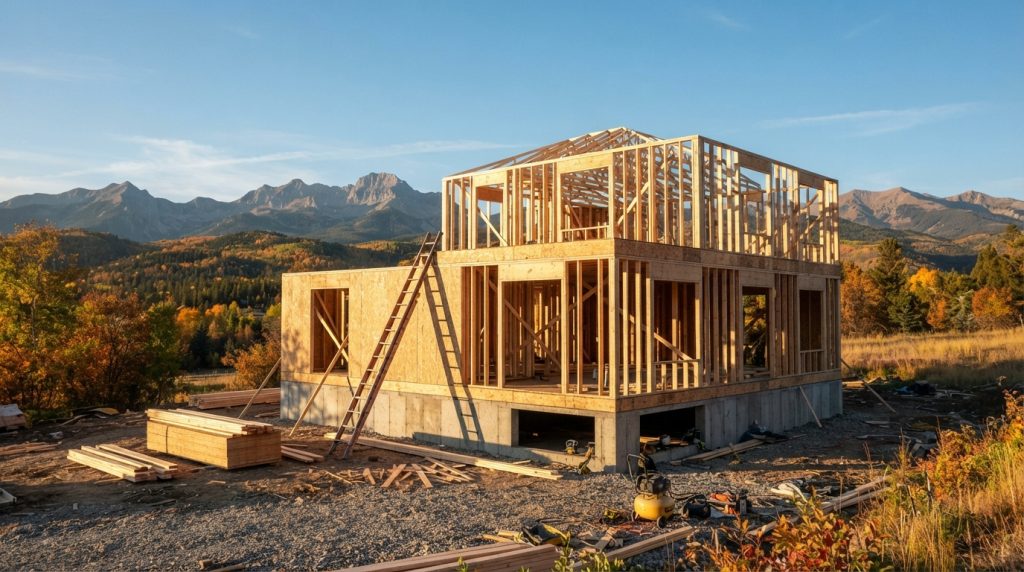
- Weather exposure: Helena’s winters limit the window for foundation work, framing, and exterior finishing.
- Material and labor availability: Supply timelines for lumber, windows, and custom fixtures can shift without warning.
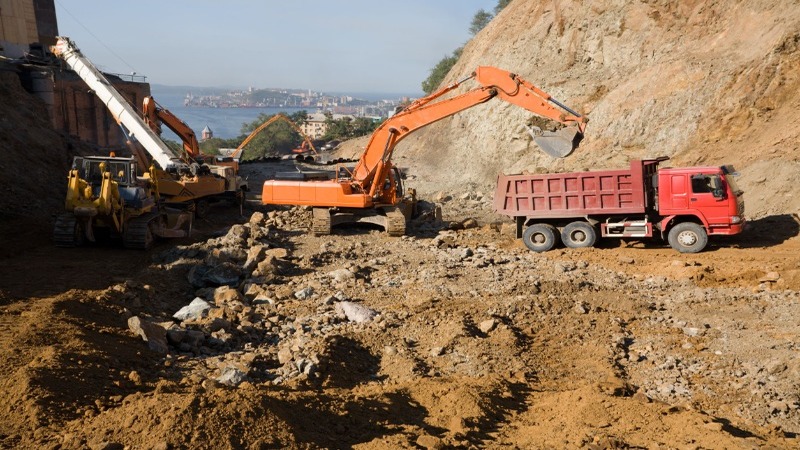
- Site conditions: Rocky or uneven terrain common in parts of Montana can increase excavation time and cost.
Each of these factors compounds the others. A permitting delay during peak winter months, for example, can push foundation work into a narrower weather window the following spring.
Practical Solutions for Common Construction Problems
Addressing construction challenges works best when tackled in sequence, starting before any ground is broken.
- Confirm permits and zoning requirements early. Submitting applications before finalizing design reduces the chance of late-stage redesigns.
- Schedule weather-sensitive phases deliberately. Foundation pours and exterior framing should align with predictable dry or mild stretches.
- Order long-lead materials in advance. Custom windows, cabinetry, and specialty fixtures often carry multi-week lead times.
- Conduct a site evaluation before finalizing a budget. Soil testing and grading assessments catch cost drivers before they become change orders.
Federal safety standards also shape how projects are sequenced and documented. Under OSHA’s 29 CFR 1926 construction standards, fall protection, excavation safety, and hazard communication requirements apply throughout a build, and contractors who document compliance at each phase tend to avoid costly stoppages.
Working With Licensed Contractors in Helena, MT
Verifying that a contractor is licensed and insured protects a homeowner against liability and incomplete work. A general contractor managing subcontractors, timelines, and budgets across the full scope of a project reduces the coordination burden that otherwise falls on the homeowner.
| Project Factor | Common Risk | Mitigation Step |
| Permitting | Delayed inspections | Submit applications before design lock |
| Weather | Narrow work windows | Sequence exterior work around seasonal forecasts |
| Materials | Supply shortages | Order custom items 6-8 weeks ahead |
| Site conditions | Hidden excavation costs | Commission soil and grading evaluations early |
Residential projects in Helena, MT often involve varied terrain and seasonal weather swings that make this kind of sequencing especially relevant to local builds.
Frequently Asked Questions
What causes most delays in residential building construction? Permitting holdups, weather-sensitive scheduling, and material lead times account for the majority of project delays, often compounding when one issue shifts the timeline for the next phase.
How does winter weather affect construction timelines in Montana? Freeze-thaw cycles limit the months available for foundation pours, exterior framing, and certain finishing work, which makes early-season scheduling important for staying on track.
Can soil conditions increase construction costs? Rocky or uneven terrain can require additional excavation, grading, or foundation reinforcement, which is why a site evaluation before finalizing a budget is recommended.
Is a licensed contractor required for building projects? Licensing and insurance requirements vary by project scope, but working with a verified, insured contractor reduces liability exposure and helps ensure code compliance throughout the build.
Business Info
Full Draw Construction, based in Helena, MT, works on new construction, remodels, additions, and general contracting for residential projects in the area.
Published project details for Full Draw Construction are available for homeowners reviewing local building options.