Key point:
• Furnaces and heat pumps typically show warning signs, such as uneven heating, strange noises, or rising energy bills, before a full breakdown occurs.
• Most heating failures trace back to airflow restrictions, thermostat miscalibration, or worn mechanical parts that require professional diagnosis.
• Scheduling heating system repair at the first sign of trouble helps prevent costlier replacements during peak cold months in Southaven, MS.
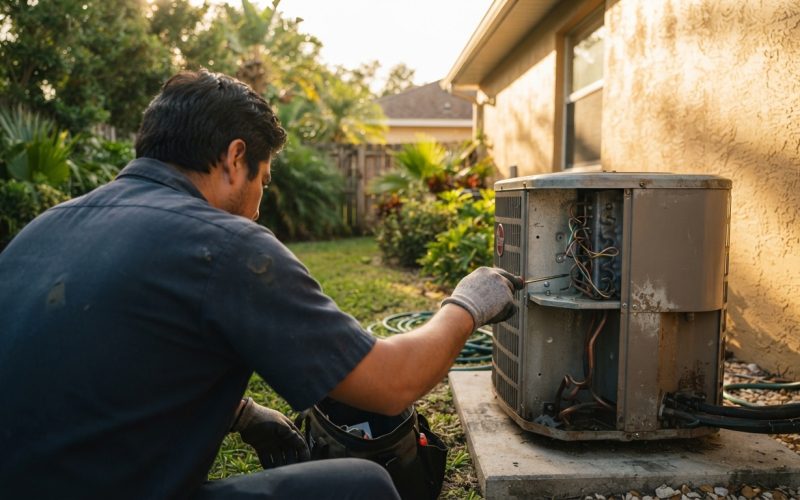
A furnace or heat pump that cycles oddly, blows cold air, or makes grinding noises is usually signaling a mechanical or airflow problem rather than a need for full replacement. Catching these symptoms early and arranging Heating System Repair before temperatures drop further can keep a minor fix from turning into an overnight system failure.
Homeowners across the Mid-South often notice heating issues during the first sustained cold snap of the season, when systems that sat idle for months are asked to run continuously. Understanding the most common failure points helps residents decide when a quick filter swap is enough and when a licensed technician needs to inspect the equipment.
Warning Signs That Point to a Heating Problem
Heating systems rarely fail without warning. Watch for these indicators:
• Inconsistent room temperatures, with some areas noticeably colder than others
• A burning smell when the furnace first starts, which may indicate dust buildup or a wiring issue
• Short cycling, where the unit turns on and off repeatedly without completing a full heating cycle
• Rising utility bills without a change in usage habits
• Unusual noises such as rattling, clicking, or squealing from the blower motor
Any of these symptoms justifies a closer look before the issue worsens, particularly going into winter in Southaven, MS, where sustained low temperatures put extra strain on aging components.
Frequent Mechanical and Airflow Issues
Most heating complaints fall into a handful of categories that technicians see repeatedly during winter service calls.
1. Clogged or dirty air filters restrict airflow, forcing the blower motor to work harder and reducing heat output throughout the home.
2. Thermostat miscalibration can cause a system to run too long, too short, or not respond to temperature changes at all.
3. Pilot light or ignition failures in gas furnaces prevent the unit from producing heat even when the blower runs normally.
4. Worn blower motors or belts create the grinding or squealing noises homeowners often report first.
5. Leaky or disconnected ductwork lets heated air escape into attics or crawl spaces before it reaches living areas.
According to the U.S. Department of Energy, routine maintenance such as filter changes and annual inspections helps heating equipment operate at its intended efficiency and reduces the likelihood of unexpected breakdowns.
Repair or Replace: A Practical Comparison
Not every heating problem requires a new system. The table below outlines general guidance based on age and symptoms.
| Situation | Typical Recommendation | Why |
| System under 10 years, single fault | Repair | Isolated issues like a blown capacitor or faulty igniter are usually inexpensive to fix |
| System over 15 years, frequent breakdowns | Replace | Repeated repair costs often outweigh the price of a new, more efficient unit |
| Uneven heating with clean filters | Repair (duct or thermostat inspection) | Points to airflow or control issues rather than equipment failure |
| Rising bills with no symptom changes | Repair (efficiency check) | May indicate reduced combustion efficiency or sensor drift |
When to Call a Professional
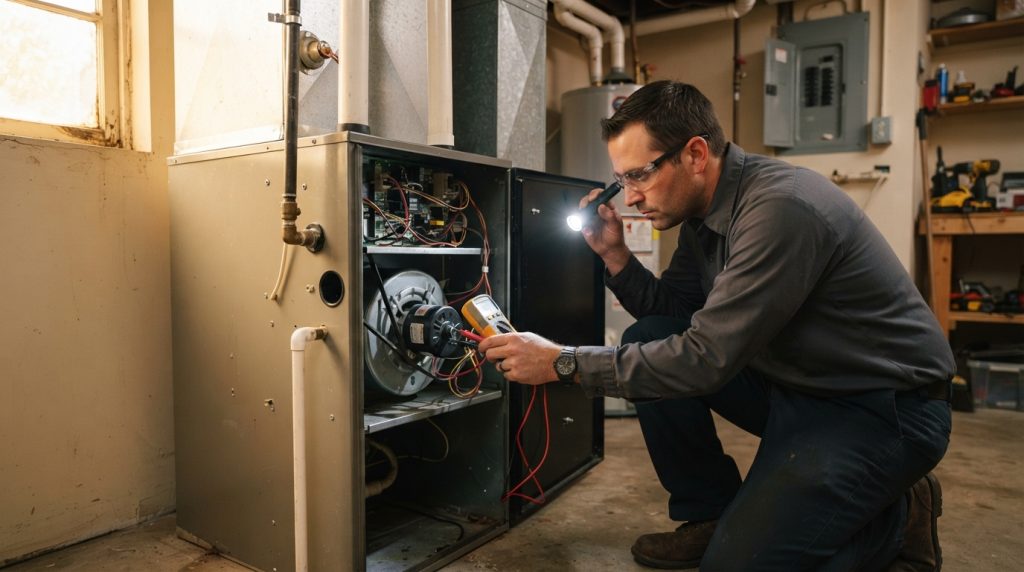
Some heating issues, like replacing a filter or resetting a tripped breaker, are manageable without outside help. Others involve gas lines, electrical components, or refrigerant in heat pump systems, where incorrect handling creates safety risks. A professional inspection is the safer route whenever a system fails to ignite, produces a gas odor, or trips breakers repeatedly.
Business Info
Based in Memphis, TN, Absolute Comfort Heating & Air Conditioning LLC serves customers throughout Southaven, MS, providing diagnostic and repair services for residential heating equipment. Homeowners can Learn More About Heating System Repair to explore the company’s services and contact information.
Frequently Asked Questions
How often should a furnace be inspected? Most manufacturers and energy efficiency guidelines recommend an annual inspection, ideally before the heating season begins, to catch wear before it causes a breakdown.
Why does a furnace blow cold air intermittently? This usually points to a thermostat fan setting left on “on” instead of “auto,” a dirty filter restricting airflow, or an ignition problem that prevents consistent heating cycles.
Can a heating system be repaired during extremely cold weather? Yes, though response times may be longer during high-demand periods, which is why addressing minor symptoms early, before a deep freeze, is generally easier to schedule.
What is the average lifespan of a residential furnace? Furnaces typically last between 15 and 20 years with regular maintenance, though usage patterns and installation quality affect this range.
A Note Before Scheduling Service
Heating equipment that short cycles, produces a gas smell, or fails to maintain the desired temperature should be inspected rather than left running until another cold spell arrives. Residents can learn more about available repair services and schedule a technician to inspect their furnace or heat pump through Heating System Repair before winter demand peaks.