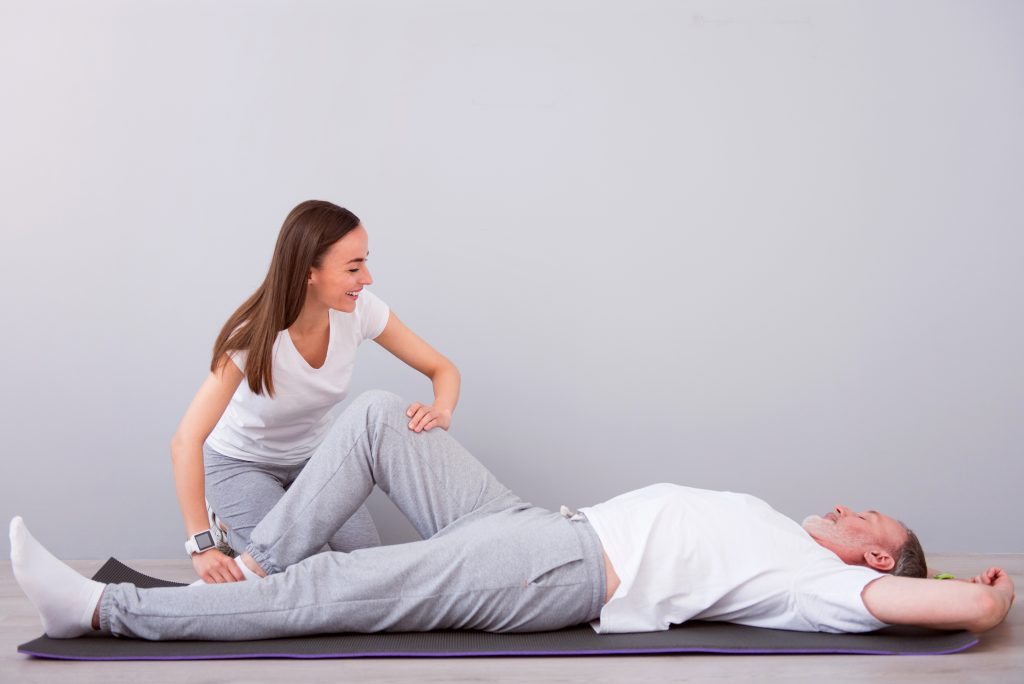
Athletes may feel stiff after changing training surfaces because the body has to adapt to differences in firmness, traction, shock absorption, and movement demands. A transition from a track to grass, a court to turf, or an indoor surface to uneven outdoor ground can change how the feet, ankles, knees, hips, and back respond during activity.
Why Can a Different Surface Make the Body Feel Different?
Training surfaces are not interchangeable. A hard court, rubberized track, artificial turf, natural grass, treadmill, and dirt trail each provide different levels of firmness, traction, and variability.
When the surface changes, the body does not simply repeat the same movement on a different floor. Muscles and joints may adjust how they absorb and produce force. Runners can modify leg stiffness when moving between surfaces, while athletes in field and court sports may change stride, foot placement, or braking strategies.
That adjustment is normal. However, if an athlete has recently returned from an injury or suddenly increases training on a new surface, the unfamiliar demands may contribute to temporary stiffness or discomfort.
The important distinction is between normal adaptation and symptoms that persist, worsen, or interfere with movement.
How Does Surface Firmness Affect Movement?
Surface firmness can influence how the lower body responds during running and other repetitive activities. A firmer surface provides less deformation under the foot, while a more compliant surface can change how force is absorbed before the body responds.
The body can compensate for these differences. Athletes may subtly alter joint positions, muscle activation, stride characteristics, or leg stiffness to maintain efficient movement.
This is one reason stiffness after changing surfaces does not necessarily mean the new surface is harmful. The body is constantly adjusting to its environment.
Problems can become more noticeable when a surface change happens alongside another training change, such as increased mileage, additional practices, new footwear, or more frequent competition.
What Happens When an Athlete Moves From a Soft Surface to a Harder One?
A transition from grass or another softer training surface to a harder court or track can feel noticeably different. An athlete may perceive more impact, particularly when running, jumping, stopping, or changing direction.
The sensation may be noticeable in the feet, calves, knees, hips, or lower back. It can also affect an athlete who has trained primarily on one surface and suddenly returns to another environment for competition.
This does not mean harder surfaces automatically cause injury. Surface effects can depend on the activity, footwear, athlete, training history, and movement strategy.
For runners, the transition may be more noticeable when mileage also increases. For court athletes, repeated jumping and quick changes of direction can create different demands than steady running.
Why Might the Calves and Feet Feel Stiff First?
The feet and lower legs are the first major contact points with the ground, so they respond directly to changes in surface and traction.
When an athlete changes surfaces, the calf muscles and muscles around the ankle may work differently to control the foot during contact and push-off. Someone accustomed to a more forgiving surface may notice stiffness after spending more time on a firmer one.
The same can happen on uneven ground. The foot and ankle must respond to small variations in the surface while maintaining balance.
Temporary stiffness may improve as the body becomes accustomed to the new demand. Persistent pain, swelling, weakness, or loss of movement is different and deserves attention.
Can a Surface Change Affect the Knees or Hips?
The lower extremity functions as a connected system, so changes at the foot and ankle can influence how movement is distributed through the knee and hip.
An athlete may also change stride length or landing strategy when a surface feels unfamiliar. These adjustments can alter how the legs and hips contribute to deceleration and propulsion.
However, it would be too simple to say that a particular surface directly causes knee or hip injury. Sports injuries can involve many factors, including workload, previous injury, strength, mobility, recovery, technique, footwear, and the demands of the activity.
Surface should therefore be considered one part of the overall picture rather than the sole explanation for an athlete’s symptoms.
How Does Traction Change the Demands of Training?
Surface traction can matter just as much as firmness. Athletes need enough grip to accelerate, stop, and change direction, but the interaction between footwear and the surface can vary.
A soccer player moving from natural grass to artificial turf may notice a different feel underfoot. A basketball player moving between courts may notice changes in how quickly the feet grip the floor during lateral movements.
If an athlete does not expect the change, movement can initially feel unfamiliar. The body may make small adjustments to foot placement, stride, or braking.
This can be particularly relevant for sports requiring rapid direction changes. An athlete returning to competition after training on a different surface may benefit from becoming familiar with the competition environment rather than treating the transition as insignificant.
Why Can Uneven Surfaces Create More Stiffness?
Outdoor surfaces can introduce variability that is not present on a consistent indoor court or track. Grass, trails, gravel, and other uneven surfaces require continuous adjustments in balance and foot placement.
These adjustments can increase the work required from stabilizing muscles around the ankle, knee, hip, and trunk.
An uneven surface is not necessarily better or worse. It simply creates different demands.
An athlete accustomed to predictable surfaces may initially notice more fatigue or stiffness after trail running or field training. Gradual exposure can give the body time to adapt to those different movement requirements.
What If an Athlete Is Returning From an Injury?
Surface changes deserve additional consideration when an athlete is returning from an injury.
After an ankle sprain, knee injury, muscle strain, or back problem, an athlete may have temporary changes in strength, balance, confidence, or movement. A new surface can add another variable to that recovery process.
For example, an athlete may tolerate controlled exercise on a stable indoor surface but experience discomfort when running on grass or performing rapid changes of direction outdoors.
This does not automatically mean the injury has returned. It may indicate that the activity has introduced a demand the athlete has not yet fully regained tolerance for.
A Sports Injury Chiropractor can consider an athlete’s symptoms, movement, training demands, and injury history when determining whether additional care or evaluation is appropriate.
How Should Athletes Adjust to a New Training Surface?
A gradual transition can make it easier to identify how the body responds to a new environment. An athlete might begin with shorter sessions on the new surface while keeping other training variables relatively consistent.
This can make it easier to recognize whether stiffness is related to the surface or to another simultaneous change.
For example, a runner moving from a treadmill to outdoor trails may first become comfortable with the terrain before significantly increasing distance. A court athlete changing facilities may pay attention to how the new surface feels during warm-ups, cutting, jumping, and stopping.
The goal is not to avoid unfamiliar surfaces. It is to give the body an opportunity to adapt.
What Symptoms Suggest More Than Normal Adaptation?
Some stiffness after a new activity can be expected. Persistent or escalating symptoms deserve closer attention.
Athletes should pay attention to pain that does not improve with appropriate rest, swelling, instability, weakness, reduced range of motion, or symptoms that repeatedly return when training resumes.
The location and timing of discomfort can also provide useful information. Calf stiffness immediately after running on a new surface may have a different context from knee pain that appears during cutting or back discomfort that continues throughout the day.
An athlete should also consider whether the surface change happened alongside new footwear, additional training sessions, longer practices, or a return to competition.
When Should an Athlete Consider Professional Care?
Professional evaluation may be appropriate when symptoms persist, interfere with training, alter normal movement, or repeatedly return after activity.
A Sports Chiropractor may evaluate musculoskeletal concerns while considering an athlete’s movement, previous injuries, and current training demands. The purpose is not to assume every symptom requires chiropractic care, but to determine whether the concern is appropriate for that type of evaluation.
Athletes with significant trauma, suspected fractures, major swelling, inability to bear weight, or concerning neurological symptoms should seek appropriate medical evaluation.
For athletes working through a gradual return to activity, a Chiropractor For Athletes may be one professional they discuss their musculoskeletal concerns with when chiropractic care is appropriate.
What Role Can Recovery Play During a Surface Transition?
Recovery remains important even when the only apparent change is the training surface.
Sleep, rest between demanding sessions, nutrition, hydration, and appropriate workload all influence how an athlete responds to training. A surface transition can feel more demanding when the body is already fatigued.
An athlete who changes surfaces while maintaining the same workload may respond differently from someone who also increases training volume at the same time.
Tracking how the body responds can help identify patterns. If stiffness appears only after certain sessions, noting the surface, duration, intensity, footwear, and symptoms can provide useful context for a professional evaluation.
How Can Athletes Approach Sports Recovery After a Surface Change?
Returning to normal training is not always about returning to the same surface immediately. The athlete’s current tolerance, injury history, sport, and training schedule all matter.
A Chiropractic Sports Therapy may be considered when musculoskeletal symptoms or movement concerns are appropriate for chiropractic care. Depending on the situation, athletes may also need rehabilitation, medical evaluation, coaching, or other forms of professional support.
The objective should be appropriate progression rather than simply pushing through stiffness. If symptoms become more pronounced as training continues, changing the workload and seeking evaluation may be more useful than assuming the body will eventually adjust.
Understanding Stiffness Without Blaming the Surface
A change in training surface can change how movement feels, but it is rarely useful to blame a single surface for every symptom. Athletes continuously adapt to changes in terrain, equipment, workload, speed, and sport-specific demands.
Stiffness after a surface change may simply reflect a new physical demand. In other situations, it may reveal a mobility, strength, recovery, or injury concern that deserves further attention.
For athletes in Parker, CO, understanding that distinction can help them make more informed decisions about training and recovery. Chiropractic care can be one consideration when recurring musculoskeletal symptoms are appropriate for evaluation and conservative care.
About Parker Integrative Health
Parker Integrative Health is located in Parker, CO, and provides chiropractic and integrative care for active individuals and athletes. Their chiropractic providers include Dr. Robert Birch, DC and Dr. Paola Porrone Birch, DC, and the clinic can be reached at (303) 841-9565. Those looking for location information can find their office on Google Maps.