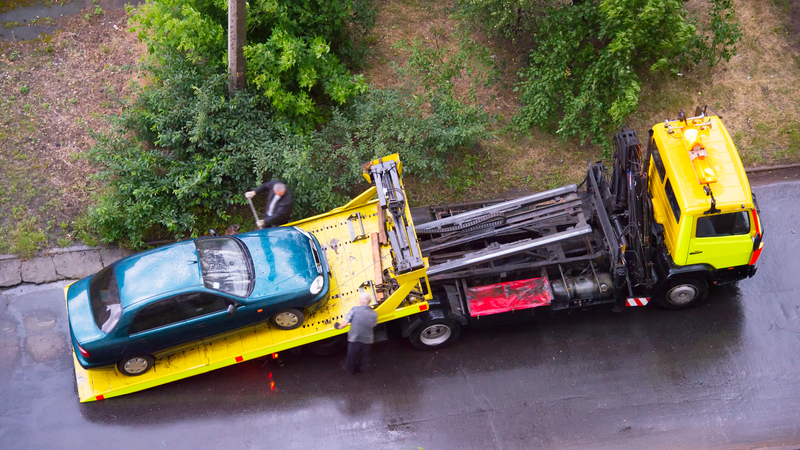
Nighttime breakdowns create higher safety risks because reduced visibility, limited repair access, and lower traffic awareness can make disabled vehicles harder to see. A reliable towing service helps drivers move stalled vehicles safely, especially when a light duty tow truck is needed after dark.
For drivers in Queen Creek, AZ, after-hours vehicle trouble can happen during commutes, late errands, long drives, or weekend travel. Understanding why nighttime breakdowns are more serious can help drivers make safer decisions when a vehicle stops unexpectedly.
Why Are Nighttime Breakdowns More Dangerous?
Breakdowns are stressful at any hour, but nighttime conditions add more risk. Drivers may have difficulty spotting a disabled vehicle on the shoulder, especially on dim roads or highways. Even when hazard lights are turned on, visibility can still be limited.
A stalled car can also leave drivers exposed to traffic, poor lighting, and unfamiliar surroundings. In these situations, waiting too long for help can increase stress and safety concerns.
Common nighttime risks include:
-
Reduced visibility for passing drivers
-
Limited shoulder space
-
Fatigue among nearby motorists
-
Slower access to repair shops
-
Greater difficulty identifying landmarks
This is why dependable towing support matters after dark.
What Vehicle Problems Commonly Happen at Night?
Many breakdowns seem to happen at the worst possible time. Some issues become more noticeable at night because drivers depend heavily on lights, batteries, and electrical systems.
Common causes of nighttime towing calls include:
-
Dead batteries
-
Flat tires
-
Engine overheating
-
Alternator failure
-
Electrical problems
-
Accidents or roadside collisions
-
Running out of fuel
When a vehicle cannot be driven safely, calling a towing service is often the safest option.
How Does a Light Duty Tow Truck Help After Dark?
A light duty tow truck is commonly used for passenger cars, small SUVs, motorcycles, minivans, and pickup trucks. These vehicles may need transport after mechanical failure, tire damage, battery failure, or accident-related issues.
At night, towing is not only about moving the vehicle. It is also about improving roadside safety. Tow operators use warning lights, proper positioning, and secure loading methods to help remove disabled vehicles from risky locations.
Depending on the vehicle’s condition, the tow may involve a flatbed or wheel-lift method. The correct approach helps reduce the chance of additional damage during transport.
Why Is 24/7 Towing Important for Drivers?
Breakdowns do not follow business hours. A vehicle can fail after work, during a late-night drive, or early in the morning before repair shops open. Without 24/7 access, drivers may be left waiting in unsafe conditions.
Round-the-clock towing helps with:
-
Late-night roadside emergencies
-
Weekend breakdowns
-
Holiday travel issues
-
Early morning vehicle failures
-
Unsafe roadside locations
When help is available at any hour, drivers have a safer path forward instead of waiting until normal business hours.
What Should Drivers Do While Waiting for Towing?
Driver safety should come first. If the vehicle breaks down at night, drivers should move away from traffic whenever possible and make the vehicle visible.
Helpful steps include:
-
Turn on hazard lights
-
Pull as far from traffic as safely possible
-
Stay inside the vehicle if the area outside is unsafe
-
Keep seatbelts on when near traffic
-
Avoid standing behind or beside the vehicle
-
Share the exact location with dispatch
If the vehicle is in a dangerous spot, such as a travel lane or narrow shoulder, emergency services may be needed before towing begins.
Why Should Drivers Avoid DIY Repairs at Night?
Changing a tire or inspecting a vehicle at night can be dangerous near moving traffic. Poor visibility increases the chance that other drivers may not see someone standing near the roadside.
Even simple tasks become riskier in dark conditions. A professional towing service can help remove the vehicle from the roadside instead of requiring the driver to troubleshoot the problem in an unsafe area.
DIY roadside repairs may also be difficult if the driver does not have proper lighting, tools, or enough space to work safely.
How Can Towing Reduce Vehicle Damage?
Continuing to drive a damaged or failing vehicle can make the problem worse. For example, driving on a flat tire can damage the wheel, while driving with an overheating engine can cause major mechanical failure.
Calling a light duty tow truck helps prevent additional strain by transporting the vehicle instead of forcing it to operate while damaged. This is especially helpful when the cause of the breakdown is unclear.
Why Location Details Matter During Nighttime Towing
At night, finding a stranded vehicle can be harder. Drivers should provide clear location details when requesting towing.
Useful details include:
-
Nearby intersections
-
Mile markers
-
Business names
-
Road direction
-
Landmarks
-
Vehicle color and model
Clear location information helps the tow operator reach the vehicle faster and improves safety during response.
When Should a Vehicle Be Towed Instead of Restarted?
Some vehicles may restart after a brief issue, but that does not always mean they are safe to drive. Warning lights, burning smells, fluid leaks, repeated stalling, or unusual noises can signal a serious problem.
A tow may be the safer option when:
-
The vehicle stalls repeatedly
-
Brakes feel unsafe
-
The engine overheats
-
Tires are damaged
-
The battery will not hold a charge
-
The vehicle was involved in a collision
If there is uncertainty, towing is often safer than risking another breakdown farther down the road.
Get Safe Nighttime Towing Before Roadside Risks Increase
Nighttime vehicle trouble can quickly become unsafe when visibility is low and repair options are limited. If a breakdown leaves a car, SUV, motorcycle, or pickup stranded after dark, request trusted 24/7 towing for safe roadside recovery and vehicle transport. Fast towing support helps protect drivers, passengers, and vehicles when waiting is not worth the risk.