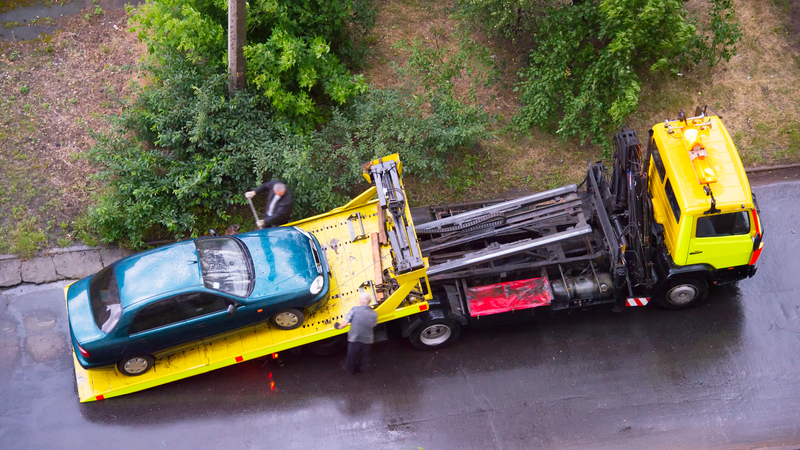
Repair shop access should be confirmed before towing begins because a closed gate, full parking lot, or unavailable after-hours drop-off area can prevent the vehicle from being delivered as planned. Drivers in Queen Creek, AZ, can reduce delays by confirming the destination’s hours, vehicle acceptance rules, key-drop process, and available space before the tow truck arrives.
Arranging a towing service involves more than moving a disabled vehicle from one location to another. The tow operator must also be able to enter the destination, unload the vehicle safely, and leave it in a location approved by the repair facility.
Why Should the Repair Shop Be Contacted First?
A driver should contact the repair shop before requesting transport whenever possible. The shop may have limited operating hours, require an appointment, restrict overnight drop-offs, or lack enough space to accept another vehicle.
Some facilities also separate customer parking from damaged or disabled vehicle storage. A car left in the wrong location could block a service bay, delivery entrance, employee parking area, or access route.
Confirming acceptance before the tow begins helps prevent the vehicle from reaching a destination that cannot receive it. It also gives the driver an opportunity to ask where the vehicle should be placed and how the keys should be handled.
What Details Should Drivers Confirm?
Drivers should ask the repair facility several practical questions before providing the destination to the towing company:
-
Is the shop accepting the vehicle today?
-
Will someone be present when the tow arrives?
-
Is after-hours vehicle drop-off allowed?
-
Is there a locked gate or access code?
-
Where should the vehicle be unloaded?
-
Is there a secure key-drop box?
-
Does the repair shop require the driver’s name or appointment information?
-
Are damaged, non-running, or leaking vehicles accepted?
These details matter because repair facilities have different layouts and policies. A large open lot may allow easy unloading, while a smaller property may require the tow operator to use a specific entrance or parking space.
How Do Closed Gates Affect a Vehicle Tow?
A locked gate can stop the delivery even if the vehicle has already been transported across Queen Creek. The operator should not leave a vehicle outside a closed facility unless the driver and property owner have approved that arrangement.
Leaving a car near an entrance may block traffic, violate property rules, or expose the vehicle to additional risk. If the facility cannot be accessed, the driver may need to select another destination or arrange temporary storage.
Gate access should be discussed before dispatch, especially for evening, weekend, and early-morning tows. Drivers should provide entry instructions only when they have permission from the property owner or repair shop.
Why Does the Unloading Area Matter?
A light duty tow truck needs enough room to approach, position, and unload a passenger vehicle. Narrow driveways, steep slopes, low tree branches, parked cars, and crowded lots can make the process more difficult.
Flatbed trucks require space behind the vehicle so the bed can tilt and the car can be lowered. A wheel-lift truck may need room to turn and align the vehicle with the intended parking space.
The ground surface also matters. Soft dirt, loose gravel, standing water, or an uneven slope may not provide a suitable unloading area. Drivers should tell the towing service about these conditions before the truck reaches the destination.
What Happens During an After-Hours Drop-Off?
Many repair shops offer after-hours drop-off, but the process varies. Some provide a marked parking area and secure key box, while others require vehicles to arrive only during business hours.
Before arranging an after-hours tow, the driver should confirm:
-
The correct parking area
-
Where the keys should be placed
-
What information should be written on the key envelope
-
Whether the shop accepts vehicles outside normal hours
-
Whether the parking lot remains accessible overnight
Keys should not be left inside an unlocked vehicle unless the repair facility has specifically instructed the driver to do so. Personal belongings, documents, and valuables should also be removed before transport when possible.
Can the Vehicle Be Left Without the Owner Present?
A vehicle can often be delivered without the owner standing at the repair shop, but the details should be arranged in advance. The shop may need the owner’s name, phone number, vehicle information, and a description of the mechanical problem.
The tow operator may also need clear authorization regarding where the vehicle should be left. The repair facility should know the vehicle is coming so staff members do not treat it as abandoned or incorrectly parked.
The driver should remain reachable by phone during the delivery in case the operator encounters a closed entrance, occupied parking space, or unclear instructions.
Does Vehicle Size Change the Drop-Off Plan?
Yes. Most cars, SUVs, minivans, motorcycles, and pickup trucks can be transported using a light duty tow truck, but even these vehicles require enough unloading space.
Larger commercial vehicles require more room. Heavy duty towing may involve a longer tow truck, wider turning radius, greater clearance, and a destination capable of accommodating a large truck or piece of equipment.
A repair shop that regularly services passenger cars may not be able to accept a semi-truck, bus, large RV, or commercial vehicle. Drivers and fleet managers should confirm that the destination can physically receive and service the vehicle before transport begins.
What If the Repair Shop Cannot Accept the Vehicle?
If the original destination is unavailable, the driver may need to select another repair facility, return the vehicle to a residence or business property, or arrange an approved storage location.
The new destination should be confirmed before the vehicle is redirected. Changing locations after loading may affect travel distance, timing, and the overall towing arrangement.
Providing complete destination details at the beginning is usually the simplest way to avoid unnecessary changes.
How Can Drivers Prepare for a Smoother Drop-Off?
Before the tow truck arrives, contact the repair shop, confirm acceptance, and ask for clear unloading instructions. Share the shop’s address, entrance location, operating hours, access information, and key-drop process with the tow operator.
Evan’s Towing serves Queen Creek and nearby East Valley communities. Drivers arranging towing can provide the vehicle’s condition, pickup location, repair shop details, and any access restrictions so the destination can be considered before transport begins.