Short version:
- Towing capacity depends on gross vehicle weight rating, trailer weight, and hitch class, not just engine size.
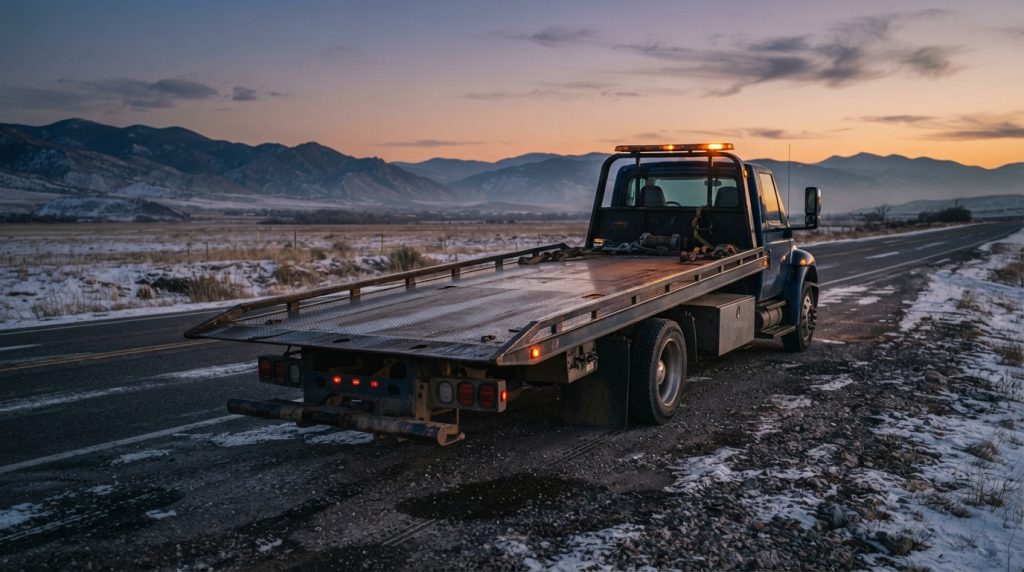
- Winter driving in Helena, MT raises breakdown and recovery risk due to ice, snow, and sudden temperature swings.
- Knowing what to check before and after a tow helps drivers avoid vehicle damage and unsafe roadside situations.
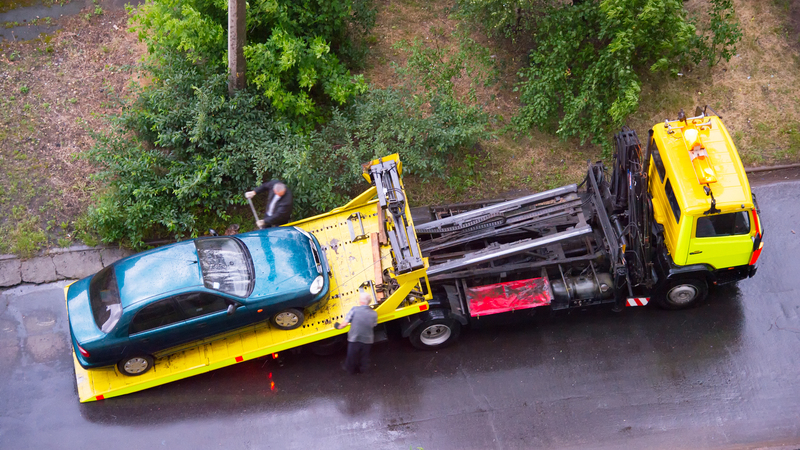
Vehicle towing refers to the process of moving a disabled, stuck, or improperly parked vehicle using a tow truck, flatbed, or recovery equipment. Understanding how Towing works, including weight limits and equipment types, helps drivers make safer decisions during breakdowns or accidents.
Most drivers only think about towing when something goes wrong on the road. A flat tire, a dead battery, or an accident on an icy stretch of highway can turn into a longer ordeal if a vehicle is not matched with the right towing equipment or if basic safety steps are skipped.
How Towing Capacity and Vehicle Weight Ratings Work
Every vehicle has a maximum amount of weight it can safely pull or carry, and this number is not the same as the number printed in an advertisement. According to NHTSA guidance on towing, drivers should check the gross vehicle weight rating (GVWR) and gross combination weight rating (GCWR), since exceeding either one can affect braking, steering, and structural integrity, as outlined in NHTSA interpretations on trailer towing.
Key terms worth knowing before towing a trailer or calling for recovery service include:
- GVWR – the maximum total weight a vehicle can safely carry, including passengers and cargo
- GCWR – the maximum combined weight of the tow vehicle and trailer together
- Tongue weight – the downward force a loaded trailer places on the hitch
- Curb weight – the vehicle’s weight with fluids but no passengers or cargo
Ignoring these ratings is a common reason vehicles need roadside recovery after a hitch failure or trailer sway incident.
Common Towing Situations and the Equipment They Require
Not every tow is the same, and the type of service called determines how quickly and safely a vehicle gets moved. The table below outlines common scenarios and the general equipment category typically used.
| Situation | Typical Equipment | Notes |
| Passenger car breakdown | Flatbed or wheel-lift tow truck | Reduces drivetrain stress during transport |
| Stuck in snow or a ditch | Winch and recovery equipment | Common during winter storm conditions |
| Heavy truck or RV | Heavy-duty tow truck or sliding-axle trailer | Requires higher weight capacity equipment |
| Motorcycle or small trailer | Flatbed with soft-tie straps | Prevents frame or fork damage |
Matching the right equipment to the vehicle size reduces the chance of additional damage during transport.
Seasonal and Road Conditions That Affect Towing in Helena, MT
Winter weather significantly increases breakdown and recovery calls across Montana. The Montana Department of Transportation recommends that drivers prepare vehicles for cold temperatures by checking fluids, wipers, tires, and batteries before winter conditions set in, and notes that winter road conditions should be checked before travel using the state’s 511 system.
Drivers in Helena, MT should expect these seasonal risk factors:
- Icy patches on bridge decks and shaded roadway sections even when surrounding pavement looks clear
- Reduced visibility during sudden snow squalls
- Sections of mountain highway that close seasonally due to heavy snowfall
- Battery and fluid performance drops during sustained cold snaps
These conditions make having a vehicle inspected before winter, and knowing who to call for recovery, part of practical seasonal preparation rather than an afterthought.
Services based in USA are positioned to respond across a wide operating radius, and coverage for towing and recovery extends to customers throughout Helena, MT without maintaining a local branch office in that area.
Published details for J&D Truck Repair & Towing outline the categories of towing and recovery equipment referenced above, including flatbed and heavy-duty options.
Frequently Asked Questions
What is the difference between a flatbed tow and a wheel-lift tow? A flatbed tow carries the entire vehicle on a flat platform, while a wheel-lift tow raises only two wheels off the ground, typically the front axle.
Why does exceeding towing capacity matter? Exceeding a vehicle’s rated GVWR or GCWR can compromise braking, steering, and structural integrity, according to NHTSA safety interpretations.
Should I stay in my vehicle while waiting for a tow in winter? Staying inside a disabled vehicle with hazard lights on is generally safer than standing on or near an active roadway, particularly in low-visibility winter conditions.
Does cold weather affect towing equipment performance? Cold temperatures can affect battery output and tire pressure on both the tow vehicle and the vehicle being towed, which is why pre-winter vehicle checks are recommended.
Vehicle towing involves more than hooking up a cable, since weight ratings, equipment type, and seasonal road conditions all affect how safely a vehicle gets moved. A directory entry for J&D Truck Repair & Towing lists current contact information for the service area described above.