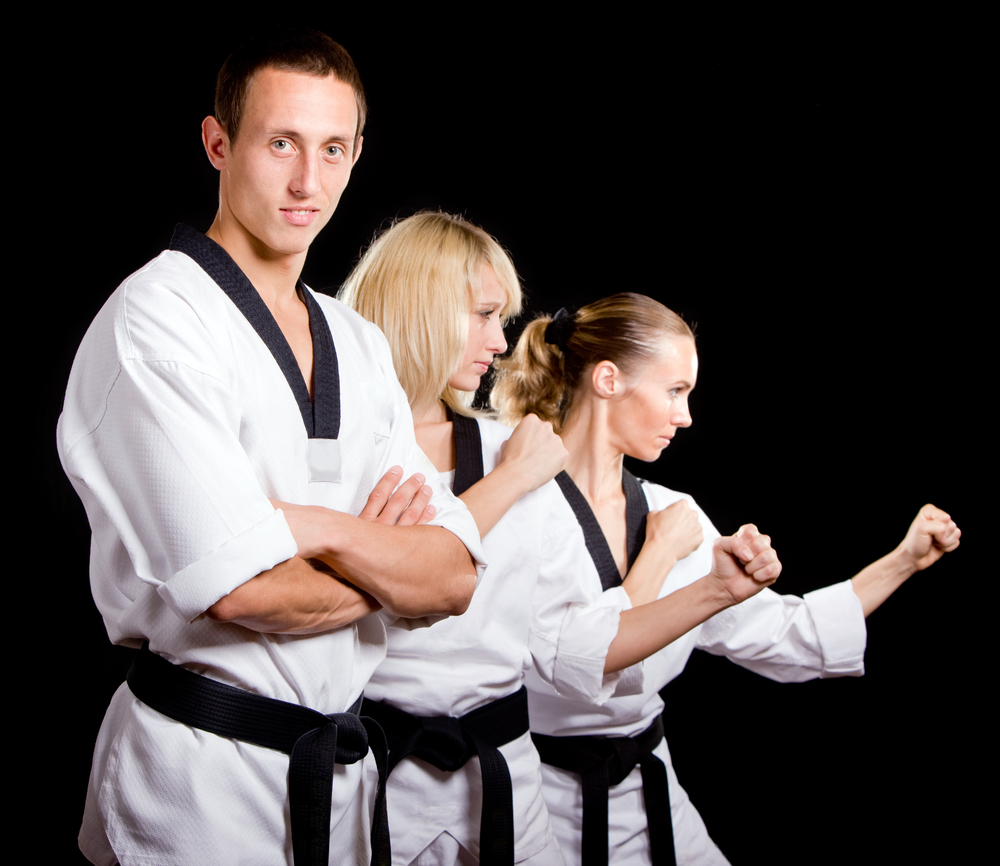
Martial arts programs offer numerous benefits for children, from improving physical fitness to teaching valuable life skills like discipline, respect, and self-confidence. As parents, you may wonder when the right time is to introduce your child to karate or martial arts. While there’s no one-size-fits-all answer, there are several key signs to look for that indicate your child may be ready to start their martial arts journey.
In this blog, we will explore the factors that determine whether your child is prepared for beginner martial arts for kids, kids karate lessons nearby, or after-school martial arts programs. Understanding these signs can help ensure a positive experience for both you and your child.
1. Interest in Learning New Skills
One of the most important signs that your child may be ready for martial arts is a genuine interest in learning new skills. Martial arts training involves a variety of movements, techniques, and forms that require attention, focus, and dedication. If your child has expressed curiosity about karate or other martial arts, or if they show interest in physical activities that involve coordination and balance, they may be ready for structured training.
Children who are open to learning new skills, following instructions, and practicing regularly are more likely to thrive in a martial arts environment. If they’ve demonstrated an eagerness to try new activities or sports, martial arts could be a natural next step in their development.
2. Ability to Focus and Follow Instructions
Martial arts classes require children to pay attention and follow instructions from their instructors. Unlike some other activities, martial arts is based on a clear structure that emphasizes focus, respect, and discipline. If your child is able to listen to directions, follow simple instructions, and stay focused for a set amount of time, they may be ready for martial arts.
For example, children in after-school martial arts programs are often asked to pay attention to the instructor’s guidance and follow along with drills. This ability to focus is critical in martial arts, as it allows children to master techniques and gain confidence in their abilities.
3. Desire to Be Physically Active
Martial arts is a physically demanding activity, so children who show an interest in being physically active are often a good fit for these programs. If your child enjoys running, jumping, climbing, or engaging in sports activities, they may have the stamina and energy needed for martial arts.
Kids karate lessons nearby or beginner martial arts for kids classes provide an opportunity for children to get their energy out in a structured, positive way. The physical exercises in martial arts can help children build strength, flexibility, and coordination, all while having fun and learning important skills. If your child enjoys moving their body and being active, martial arts may be the perfect outlet.
4. Interest in Building Confidence
Martial arts can be an incredible way to build confidence in children. As they learn new techniques and achieve milestones, they experience a sense of accomplishment that boosts their self-esteem. If your child has shown signs of wanting to improve their self-confidence—whether through trying new things or overcoming small challenges—martial arts can help nurture that growth.
For example, in karate classes for youth, children are often challenged to progress through different belt levels, which provides a clear sense of achievement. Whether they’re mastering a specific move or earning their next belt, the journey through martial arts training can help children develop a strong sense of self-assurance.
If your child has expressed a desire to feel more confident in themselves or take on new challenges, martial arts could provide the perfect environment for them to build that confidence.
5. Understanding the Importance of Respect
Respect is a core value taught in martial arts. Children who are ready for martial arts classes typically understand the importance of respecting others, including their instructors, peers, and even themselves. If your child already practices good manners, listens to authority figures, and shows respect for others, they may be ready to engage in a martial arts program where respect is a fundamental principle.
In martial arts, children are taught to respect their instructors and fellow students. They learn the importance of discipline and positive interactions with others, all of which help foster a respectful environment. If your child is showing an increasing understanding of respect and responsibility, martial arts can help reinforce these qualities.
6. Desire for Social Interaction
Martial arts programs provide an excellent opportunity for socialization. While martial arts is often thought of as an individual sport, it also requires teamwork, particularly in partner drills and group exercises. If your child has shown an interest in making new friends or participating in group activities, martial arts classes can offer a safe space for them to interact with peers who share similar interests.
In after-school martial arts programs, children work alongside classmates to improve their skills, which fosters teamwork and camaraderie. If your child enjoys group settings and has expressed a desire to engage with others, martial arts can help them develop social skills while learning important physical and mental techniques.
7. Physical and Emotional Maturity
While children can start martial arts at a young age, it’s important to assess their physical and emotional maturity before enrolling them in a class. Martial arts classes require a certain level of maturity, especially when it comes to dealing with frustration, staying focused, and managing emotions. If your child is emotionally ready to handle the challenges of learning a new skill, following instructions, and being part of a structured program, they may be prepared for martial arts.
Physical readiness is also important, as martial arts require coordination, strength, and stamina. If your child has already developed basic physical skills such as running, jumping, and balance, they may be ready to take on the physical challenges of martial arts.
8. Seeking a Structured Environment
Martial arts classes are highly structured, with a focus on discipline, respect, and routine. Children who thrive in structured environments and benefit from having clear rules and expectations may be a good fit for martial arts. If your child responds well to a predictable schedule and clear guidelines, they may enjoy the organized nature of a martial arts class.
Whether it’s in beginner martial arts for kids classes or after-school programs, the structured format helps children develop important life skills, including time management, patience, and responsibility.
Conclusion
If your child exhibits signs of interest, focus, physical activity, and emotional maturity, they may be ready for beginner martial arts classes, kids karate lessons nearby, or after-school martial arts programs. Martial arts offers children the opportunity to develop confidence, discipline, respect, and teamwork—all valuable traits that will benefit them for years to come.
For parents in Peoria, AZ, looking for a trusted provider of children’s martial arts training, Destiny Martial Arts Academy offers a licensed martial arts academy with classes designed to help kids build skills and confidence. To learn more about enrolling your child, visit Destiny Martial Arts Academy.