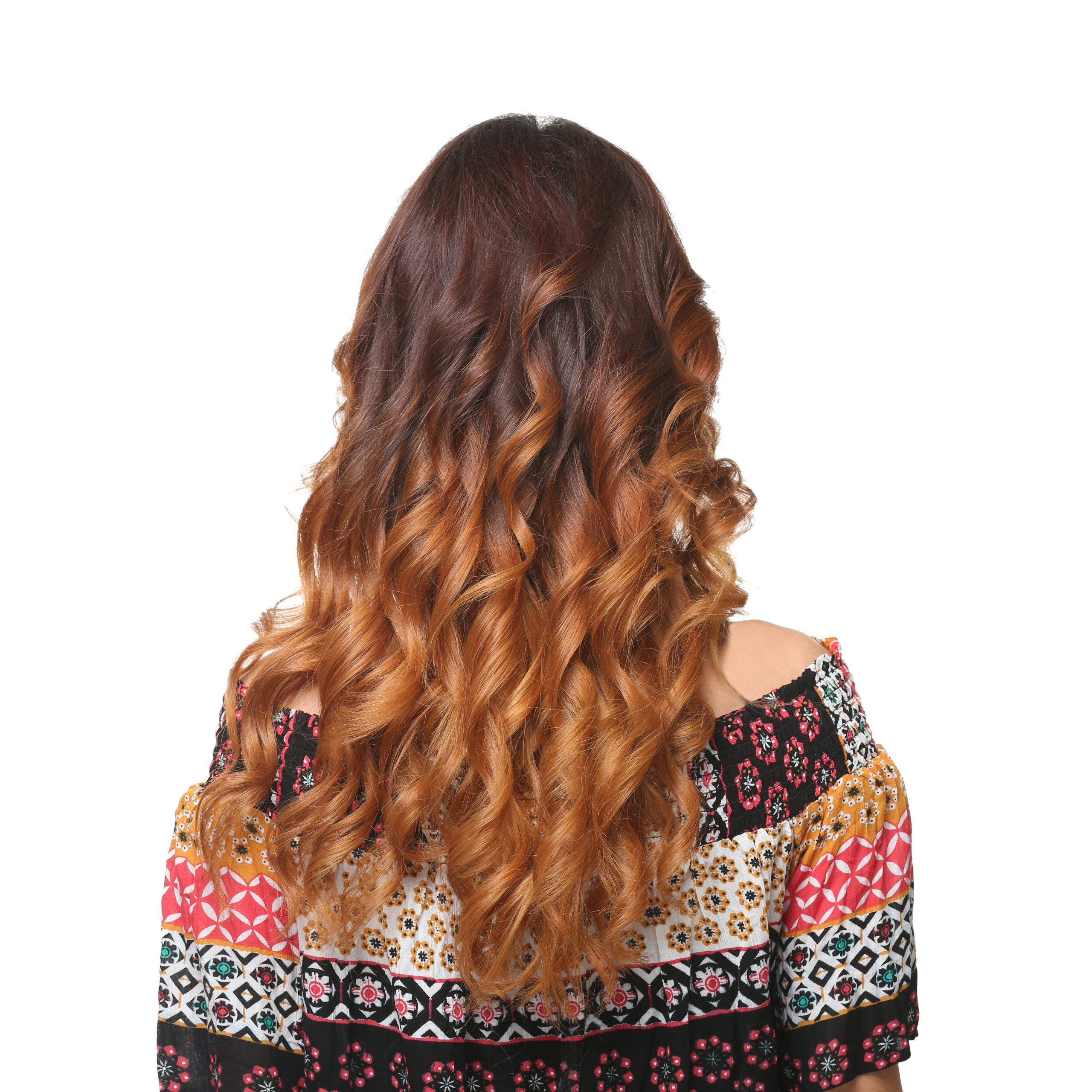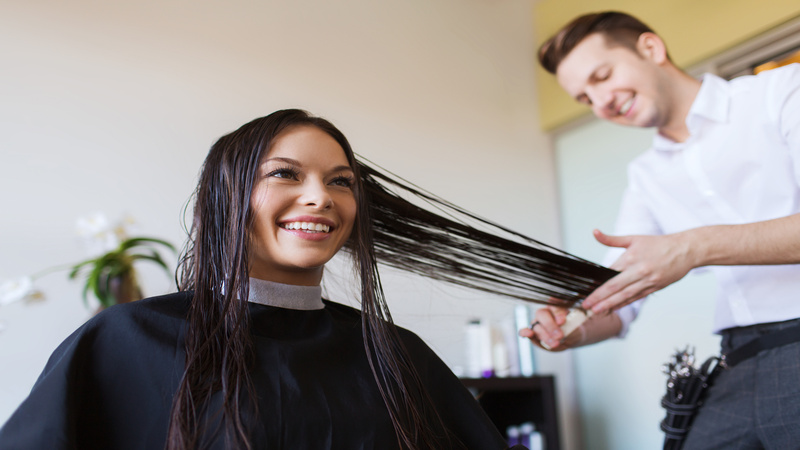
Advanced hair coloring services should begin with a consultation because the stylist must assess the client’s current color, chemical history, hair condition, and desired result before selecting a formula. A walk-in request may not provide enough time to evaluate these factors, complete necessary testing, or determine whether the requested transformation is realistic in one appointment.
Why Is a Hair Color Consultation Important?
Hair color is not selected from a photograph and applied the same way to every person. The final result depends on the starting level, underlying pigment, porosity, texture, density, previous color, and condition of the hair.
During a consultation, the stylist can examine the hair in person and ask questions about previous services. This information helps them understand what pigments may already be present and how the hair is likely to respond.
A consultation also gives the client an opportunity to explain what they like about their inspiration images. Two clients may show the same photo while focusing on different details, such as brightness around the face, a cooler tone, softer roots, or greater contrast.
What Does a Stylist Evaluate Before Coloring Hair?
A professional hair color consultation typically includes an evaluation of several connected factors.
The stylist may review:
-
The current natural and artificial color
-
Visible bands or uneven areas
-
Gray percentage and coverage goals
-
Hair texture and density
-
Porosity and elasticity
-
Signs of dryness or breakage
-
Previous lightening, darkening, or corrective services
-
Chemical straightening, smoothing, or perm history
-
The client’s preferred maintenance schedule
These details influence the formula, placement method, processing time, and number of appointments that may be required.
Without this assessment, the stylist may not know whether the desired shade can be reached safely or predictably.
Why Does Previous Hair Color Matter?
Artificial pigment remains an important part of the hair’s color history even when the shade has faded. Hair that was previously colored dark may respond differently from untreated hair when a client requests a lighter result.
Color does not reliably lift previously applied color in the same way it lifts natural pigment. A stylist may need to use a different process to remove or reduce artificial color before applying the target shade.
Previous highlights, temporary colors, permanent formulas, and corrective work can also leave different levels of pigment throughout the hair. This can create bands that are not obvious until the lightening or coloring process begins.
A consultation helps identify these risks before the service is scheduled.
When Is a Strand Test Necessary?
A strand test involves applying the planned product to a small section of hair before completing the full service. It can show how quickly the hair lifts, which underlying tones appear, and whether the strand maintains adequate strength.
Testing may be particularly useful when:
-
The client has a complicated color history
-
The hair contains several different shades
-
Previous product details are unknown
-
The requested change is significant
-
The hair appears fragile or highly porous
-
The client has used products that may affect processing
A strand test does not guarantee that every section will respond identically, but it provides useful information for planning the service.
A walk-in appointment may not allow enough time for testing, evaluation, formulation, and the complete coloring process.
Why Can Advanced Color Require More Than One Appointment?
Some transformations cannot be completed responsibly in one visit. Moving from a dark shade to a much lighter color, correcting uneven pigment, transitioning from artificial color, or creating a major tonal change may require several carefully planned sessions.
Trying to force the final shade in one appointment may require more processing than the hair can comfortably tolerate. A staged plan allows the stylist to monitor condition and adjust the approach between services.
Professional hair color should balance the desired appearance with the integrity of the hair. Reaching the target gradually may produce a more even and sustainable result than attempting an aggressive single-session change.
How Does Hair Condition Affect the Color Plan?
Hair condition determines which services may be appropriate and how the formula should be used. Healthy, untreated hair may respond differently from strands that have been repeatedly lightened or chemically processed.
Porous hair can absorb pigment quickly and may become darker or cooler than expected. It may also release color faster after the appointment. Fragile hair may not be suitable for the amount of lightening required to reach a particular shade.
A stylist may recommend adjusting the target color, completing a preparatory hair treatment, or dividing the service into several sessions. These recommendations are based on how the hair looks and behaves during the assessment.
Why Is Appointment Timing Part of the Consultation?
Advanced coloring often requires more time than a standard root refresh or single-process service. The appointment may involve sectioning, multiple formulas, lightening, toning, rinsing, treatment, drying, and finishing.
The stylist must reserve enough time to complete each stage carefully. Beginning an advanced service without an appropriate appointment window can lead to rushed decisions or an incomplete result.
Consultations also help determine the expected cost range. The amount of product, number of formulas, complexity of the placement, hair length, and required processing steps can all influence pricing.
Are Walk-In Requests Appropriate for Every Hair Service?
Walk-in availability can be convenient for simple services when the salon has an opening and the request does not require extensive planning. However, advanced coloring is rarely a simple matter of selecting a shade and applying it immediately.
People comparing Walk-in hair salons in Scottsdale, AZ, should consider whether their requested service involves lightening, major color changes, correction, gray transitions, dimensional placement, or a complex chemical history.
Bravo Salon uses consultations to understand the client’s hair and goals before advanced color services. Their process allows the stylist to recommend an appropriate service plan rather than making assumptions based only on a brief description.
What Should Clients Bring to a Color Consultation?
Clients can make the consultation more productive by bringing several clear inspiration images. It is also helpful to show examples of colors they do not want.
They should be prepared to discuss previous permanent color, lightening, smoothing, straightening, perms, and other chemical services. Approximate dates and known product details can help the stylist understand the current condition of the hair.
Clients should also explain how often they are willing to return to a professional hair salon. Some shades require regular toning or root appointments, while others can be designed for a softer grow-out.
How Does a Consultation Lead to Better Expectations?
A consultation creates a shared understanding of the goal, limitations, timeline, maintenance, and likely result. It allows the stylist to explain what may be possible during the first appointment and what may require additional sessions.
It also helps prevent misunderstandings about tone. Terms such as blonde, brunette, copper, beige, ash, and caramel can mean different things to different people. Visual references and clear discussion make the desired result easier to define.
For advanced hair coloring services in Scottsdale, AZ, a consultation is not an unnecessary delay. It is the planning stage that helps the stylist create a safer, more accurate, and more personalized color strategy.