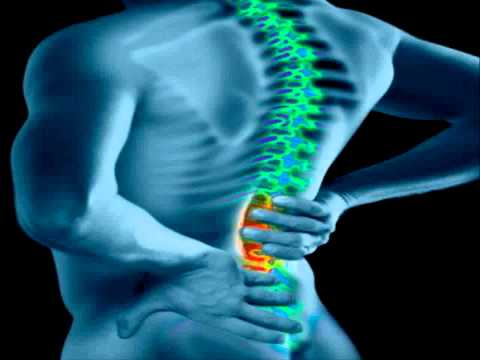
Sciatica is a painful condition that affects millions of people each year. It occurs when the sciatic nerve, the largest nerve in the body, is compressed or irritated, leading to symptoms like pain, numbness, tingling, and weakness that radiate down one leg. For those suffering from chronic sciatica, finding an effective and non-invasive treatment option is crucial. One such treatment that has shown promise in alleviating sciatica pain without the need for surgery is spinal decompression therapy.
In this blog, we will explore how spinal decompression therapy works, how it can help relieve chronic sciatica pain, and why it is a preferred option for many individuals seeking a non-surgical solution to their discomfort.
What Is Sciatica and How Does It Affect the Body?
Sciatica is a condition caused by irritation or compression of the sciatic nerve, which can result from a variety of underlying issues, including a herniated disc, spinal stenosis, or piriformis syndrome. The sciatic nerve runs from the lower back, through the hips and buttocks, and down each leg. When this nerve becomes compressed, it can lead to sharp pain, tingling sensations, numbness, and weakness in the affected leg.
While sciatica is often temporary and resolves on its own, chronic sciatica can cause ongoing discomfort and significantly impact a person’s daily activities. For those who experience persistent or severe sciatica pain, chiropractic care and spinal decompression therapy offer effective alternatives to medication or surgery.
How Spinal Decompression Therapy Helps with Sciatica
Spinal decompression therapy is a non-invasive treatment technique that aims to relieve pressure on the spinal discs and nerves, making it an ideal solution for sciatica sufferers. The therapy involves gently stretching the spine to create negative pressure between the vertebrae, which can help draw bulging or herniated discs back into place and relieve nerve compression.
The Mechanics of Spinal Decompression
During spinal decompression therapy, patients lie on a specialized table while the chiropractor uses a motorized device to apply controlled traction to the spine. This stretching action creates a negative pressure within the spinal discs, which helps to:
-
Reduce disc bulging: Spinal decompression can pull the herniated or bulging disc away from the nerve, reducing pressure and allowing the disc to return to its proper position.
-
Alleviate nerve compression: By creating space between the vertebrae, spinal decompression helps to relieve pressure on the nerves that may be causing sciatica pain.
-
Promote healing: The negative pressure helps increase blood flow and nutrients to the affected discs, promoting healing and reducing inflammation.
Spinal decompression is a gradual process, and treatment plans are tailored to each individual’s condition. Most patients experience relief after a series of treatments, with benefits often improving over time.
Why Choose Spinal Decompression for Sciatica Relief?
There are several reasons why spinal decompression therapy is a preferred choice for individuals dealing with chronic sciatica. Here are some of the primary benefits of this non-surgical approach:
1. Non-Invasive Treatment
Unlike surgery, spinal decompression is non-invasive and does not require any incisions or extended recovery time. This makes it an appealing option for individuals who wish to avoid the risks associated with surgical procedures.
2. Pain Relief Without Medication
Spinal decompression therapy can provide significant pain relief without the need for prescription medications or over-the-counter pain relievers. This is especially important for individuals who wish to avoid the side effects or long-term dependence on pain medications.
3. Improved Mobility
By relieving pressure on the spine and nerves, spinal decompression therapy can help improve spinal function, flexibility, and range of motion. This can be especially beneficial for those who experience stiffness and limited movement due to sciatica.
4. Reduced Risk of Surgery
For many people, spinal decompression therapy provides a viable alternative to surgery. While surgery can be effective, it carries inherent risks and requires significant recovery time. Spinal decompression offers a non-invasive solution that can help avoid the need for more aggressive treatments.
5. Long-Term Benefits
Spinal decompression therapy not only provides immediate relief but can also promote long-term healing and prevention of future sciatica flare-ups. By addressing the root cause of the problem—such as disc herniation or nerve compression—spinal decompression can help restore proper spinal function and reduce the likelihood of recurring sciatica pain.
How Long Does Spinal Decompression Take to Work?
The effectiveness of spinal decompression therapy can vary depending on the severity of the sciatica and the underlying cause. Typically, patients will undergo a series of sessions, each lasting between 20 to 30 minutes. Most people begin to notice improvements after 6 to 8 sessions, though some may experience relief after just a few treatments.
The chiropractor will monitor the patient’s progress throughout the treatment plan and may adjust the therapy as needed to ensure optimal results. It’s important to follow the recommended treatment plan to achieve the best outcomes and maintain long-term relief from sciatica pain.
Additional Chiropractic Treatments for Sciatica
In addition to spinal decompression therapy, chiropractors may use other techniques to help manage sciatica pain and improve overall spinal health. Some common chiropractic treatments for sciatica include:
-
Spinal adjustments: Manual adjustments to the spine help restore proper alignment and relieve pressure on the nerves.
-
Massage therapy: Therapeutic massage can help relax tight muscles and reduce tension in the lower back and legs.
-
Physical therapy exercises: Chiropractors may recommend specific exercises to strengthen the muscles supporting the spine and improve flexibility.
-
Heat and cold therapy: These therapies can help reduce inflammation and provide relief from muscle spasms and pain.
When to Seek Chiropractic Care for Sciatica
If you’re experiencing symptoms of sciatica, such as pain, numbness, or weakness in your legs, it’s important to seek chiropractic care as soon as possible. Early treatment can help prevent the condition from worsening and provide faster relief.
An expert chiropractic partner in Beaverton, OR, can help determine the best course of treatment for your specific condition. Through spinal decompression therapy and other chiropractic techniques, you can find long-lasting relief from sciatica pain without resorting to surgery.