Short answer:
- A concrete pad is typically needed for equipment, sheds, RVs, patios, or any structure that requires a stable, level, load-bearing surface.
- Thickness, base depth, and reinforcement should match the load and local soil and frost conditions, not a one-size-fits-all standard.
- In Helena, MT, freeze-thaw cycles and seasonal runoff make base preparation and drainage planning as important as the concrete mix itself.
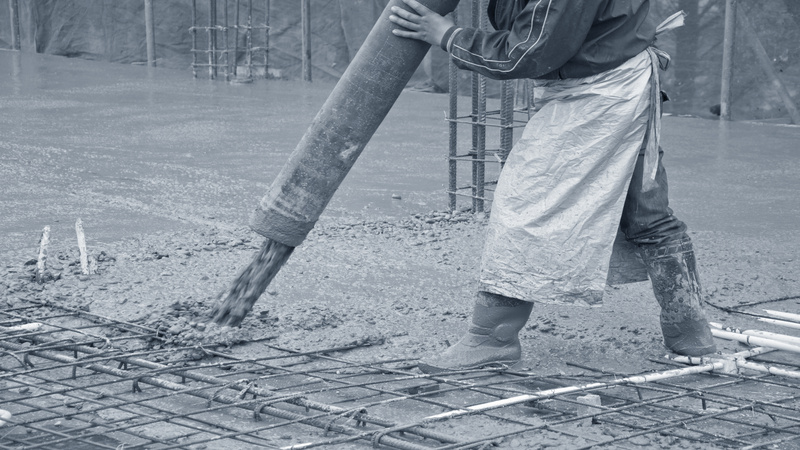
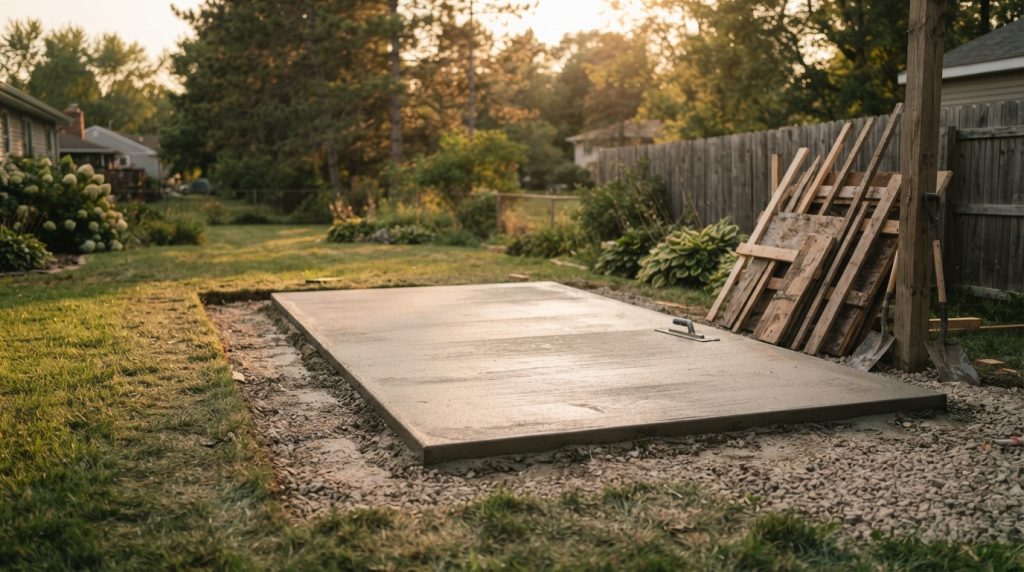
A concrete pad serves as a flat, durable foundation for anything from an air conditioning unit to a camper, shed, or outdoor patio space. The right Concrete Pad design depends less on the concrete itself and more on what sits on top of it and the ground underneath it. Matching thickness, reinforcement, and base material to the intended load is what separates a pad that lasts decades from one that cracks within a few winters.
Montana’s climate adds another layer to that decision. The Montana Department of Labor and Industry notes that frost depth requirements under the state building code generally call for footings to extend at least three feet below finished grade for single-story wood or metal frame buildings, with some flexibility for properly designed monolithic slabs. That standard matters for anyone planning a pad that will support a permanent structure rather than a simple flatwork surface.
Common Reasons a Property Needs a Concrete Pad
Property owners in and around Helena, MT request pads for a range of practical reasons, each with its own load and drainage considerations.
- Equipment pads for HVAC units, generators, or hot tubs, which need a stable, vibration-resistant base.
- RV and vehicle pads, which carry significant static and rolling loads over time.
- Shed or outbuilding foundations, which require a level surface and moisture barrier.
- Patios and walkways, where appearance and slope for drainage take priority over heavy load capacity.
Each use case calls for a different thickness and base depth, so identifying the end use before pouring is a necessary first step.
Matching Thickness and Base to the Load
Industry guidance consistently ties slab thickness to what the pad will support rather than treating four inches as a universal answer. A detailed concrete slab thickness reference notes that residential slabs generally run 4 to 6 inches thick, cast from 3,000 to 4,000 PSI concrete, and sized according to the load they carry.
| Pad Type | Typical Thickness | Base Material | Reinforcement |
| Equipment pad (HVAC, hot tub) | 4 inches | 4-6 in compacted gravel | Wire mesh |
| Shed or outbuilding pad | 4 inches | 4 in compacted gravel | Wire mesh |
| Patio or walkway | 4 inches | 4 in compacted gravel | Wire mesh |
| RV or heavy vehicle pad | 6-8 inches | 6 in compacted gravel | Rebar grid |
Base compaction and drainage planning carry as much weight as the slab thickness itself. Removing organic material and compacting the subgrade evenly prevents the uneven settling that causes most cracking over time.
Drainage and Frost Considerations for Montana Projects
Freeze-thaw cycles are the main reason pad failures occur in this region, and proper grading before the pour reduces that risk substantially. A slight slope away from any structure, generally an eighth to a quarter inch per foot, keeps water from pooling under the slab or against a foundation wall.
- Strip topsoil and organic material before placing any base layer.
- Compact the subgrade uniformly so the pad does not settle unevenly.
- Install a gravel base thick enough to break capillary action and allow drainage.
- Account for local frost depth when the pad supports a permanent structure.
Snowmelt and seasonal runoff are common concerns around Helena, MT, which makes grading and water management part of any pad project rather than an afterthought.
Frequently Asked Questions
How thick should a residential concrete pad be? Most residential pads run 4 inches for patios, walkways, and light equipment, while pads supporting vehicles or RVs typically require 6 inches or more with rebar reinforcement.
Does a concrete pad need a permit in Helena, MT? Permit requirements depend on whether the pad supports a permanent structure and on local frost depth rules; checking with the local building department before starting is the most reliable way to confirm requirements.
What causes concrete pads to crack in Montana’s climate? Inadequate base compaction, missing drainage slope, and insufficient frost protection are the most common causes, since freeze-thaw cycles place repeated stress on improperly prepared pads.
Can an existing concrete pad be resized or replaced? Yes, replacement and removal of old concrete is a standard part of pad projects when an existing surface no longer meets the load or drainage needs of a property.
Planning a pad around its intended use, local soil behavior, and seasonal water movement gives property owners a realistic basis for comparing bids and materials. Lewis and Clark County’s freeze-thaw pattern and variable soil conditions mean that base preparation deserves as much attention as the finished surface. Reviewing these factors before scheduling a pour helps avoid costly corrections later. SNK Excavating, a family-run contractor based in Helena, MT, lists concrete, excavation, and site preparation services on its published profile.
Additional Information
Published details for Concrete Pad cover the local service area.