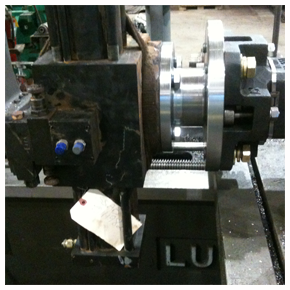
A load cell amplifier is an essential device used in weighing and force measurement systems, ensuring accurate and reliable data conversion. While load cells are responsible for detecting force or weight and converting it into an electrical signal, the output they produce is extremely small—typically in millivolts. These weak signals require amplification before they can be effectively interpreted by display units, controllers, or data acquisition systems.
The primary function of a load cell amplifier is to boost this low-level signal into a higher, more usable output. In addition to amplification, it also performs signal conditioning tasks such as filtering noise, stabilizing the signal, and sometimes linearizing the output. This ensures that the final reading reflects the actual load applied, even in environments where electrical interference or temperature fluctuations may affect performance.
Load cell amplifiers are widely used across various industries. In manufacturing and industrial automation, they play a crucial role in processes like batching, filling, and material handling, where precise measurements are essential. In transportation and logistics, they help ensure accurate weight readings for shipping and compliance. They are also commonly found in healthcare equipment, agricultural machinery, and research laboratories, where consistency and precision are critical.
There are different types of load cell amplifiers available to suit specific applications. Analog amplifiers provide continuous signal outputs, while digital amplifiers convert signals into digital formats, making them easier to integrate with modern control systems such as PLCs and computers. Advanced models may include additional features like multi-channel inputs, programmable calibration, and communication interfaces such as USB or RS485, allowing for seamless data transmission and system integration.
Selecting the right load cell amplifier depends on several factors, including the type of load cell being used, required accuracy, environmental conditions, and compatibility with existing systems. Matching the amplifier’s specifications—such as excitation voltage and sensitivity—with the load cell is crucial for optimal performance.
In conclusion, a load cell amplifier is a vital component that ensures accurate force and weight measurement by enhancing weak signals and maintaining signal integrity. Its role in improving precision makes it indispensable in modern measurement and automation systems.