Minor roof problems can easily go unnoticed, especially in a climate like Phoenix, AZ, where intense heat, monsoon winds, and seasonal dust storms repeatedly stress roofing materials. For homeowners searching for house roof repair, affordable roof repair, or residential roofing contractors, understanding how small issues develop into costly damage is essential for long-term home protection.
Most major roofing failures begin as subtle changes, cracked shingles, loose tiles, clogged valleys, or early underlayment wear. When these early warning signs are overlooked, they gradually progress into structural damage that requires extensive repairs. Recognizing these small issues early can save homeowners thousands of dollars and extend the lifespan of their roof.
1. Sun-Damaged or Cracked Shingles That Go Unnoticed
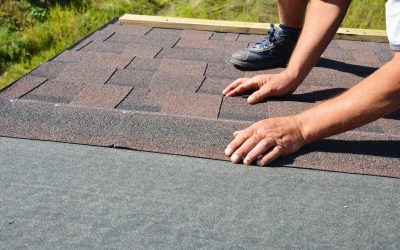
Phoenix is known for its extreme temperatures and year-round sun exposure. Over time, ultraviolet rays break down shingle materials, causing:
- Surface granule loss
- Cracking or curling
- Weakening around nail points
A single cracked shingle may seem insignificant, but it allows water to reach the underlayment. As moisture penetrates deeper layers, the decking becomes vulnerable to rot. Residential roofing contractors frequently report that what appears to be a minor cosmetic issue on the surface is actually early-stage water intrusion underneath.
Regular roof inspections are essential in high-heat climates to detect early shingle deterioration before leaks occur.
2. Tile Roofs With Small Gaps or Slipped Tiles
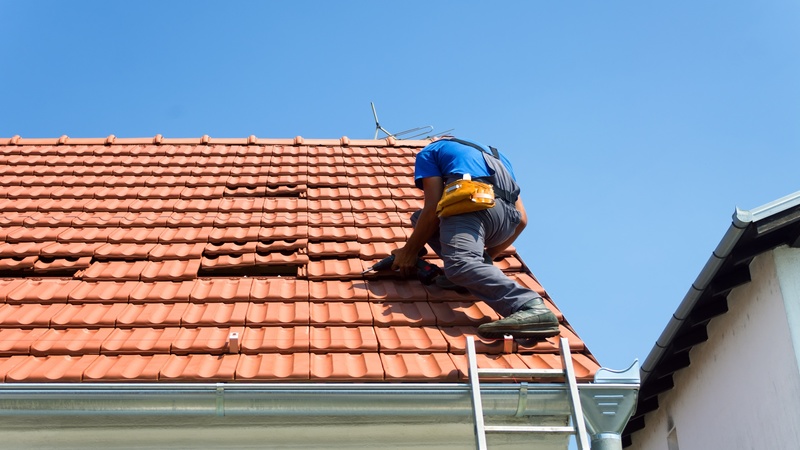
Tile roofs are common across Phoenix for their durability and heat resistance. However, they are not maintenance-free. Even a single tile shifting slightly out of place exposes the underlayment to direct sunlight. Once exposed, the underlayment deteriorates rapidly, cracking and allowing water inside the roofing system.
Homeowners often overlook tile displacement because the roof appears visually intact from the ground. In reality, the most severe damage happens below the surface. Residential roofing contractors often uncover weakened underlayment only after a leak has already appeared.
Addressing tile slippage early helps protect underlying materials and prevents large areas from needing complete replacement.
3. Clogged Roof Valleys and Debris Build-Up
Leaves, dust, and monsoon debris often collect in roof valleys, blocking proper water flow during storms. When water pools beneath shingles or tiles, it accelerates wear and increases the risk of leaks. Valley Roofing & Repair recommends simple seasonal cleaning to prevent buildup, protect underlayment, and reduce the need for costly house roof repair.
4. Minor Leaks That Appear Only During Heavy Rain
Some leaks only appear during monsoons or unusually heavy downpours, causing homeowners to believe the issue is temporary. In reality, intermittent leaks are often early indicators of:
- Flashing failure
- Underlayment breakdown
- Roof penetration issues around vents or pipes
Ignoring these early signs allows moisture to seep into insulation, drywall, and ceiling structures. Residential roofing contractors frequently report that intermittent leaks cause more cumulative damage than predictable, consistent ones.
Addressing these concerns quickly ensures moisture does not spread and cause mold or structural weakening.
5. Failing Sealant Around Vents, Chimneys, and Skylights
Areas where the roof meets another structure, such as a chimney, vent pipe, or skylight, are vulnerable to damage as sealants age. Heat and sun exposure cause sealants to shrink, crack, or separate, creating small pathways for water.
While this issue may seem insignificant, these entry points allow moisture to travel along hidden pathways, often causing damage far from the actual source. By the time water stains appear indoors, the internal damage may already be extensive.
Routine inspections by residential roofing contractors can identify failing sealant early and prevent larger repair needs.
6. Underlayment Breakdown Beneath the Roofing Material
Underlayment is one of the most important components of a roofing system. In Phoenix’s heat, underlayment naturally wears down over time. Even if the exterior shingles or tiles look pristine, the material underneath may be nearing the end of its lifespan.
Once the underlayment begins to deteriorate, the roof becomes vulnerable to:
- Water damage
- Mold growth
- Structural rot
- Widespread leaking
Because this damage is hidden, homeowners often miss the earliest signs. Only an inspection can confirm the condition of underlayment and help determine whether partial or full replacement is necessary.
7. Small Storm-Related Damage After Wind or Hail
Monsoon season often brings strong winds that loosen shingles or move tiles. Hail, though infrequent, can also cause surface pitting or cracks. Homeowners sometimes assume their roof survived the storm without damage because nothing major is visible.
However, even minor storm damage can weaken roofing components, making them more susceptible to future failures. This is one of the most common reasons homeowners eventually need major repairs that could have been prevented.
How Phoenix Homeowners Can Prevent Small Issues From Becoming Major Repairs
The most effective way to avoid costly roof repairs is through proactive maintenance, routine inspections, and early detection of minor concerns. Residential roofing contractors consistently emphasize the importance of addressing small issues promptly rather than waiting for visible leaks or interior damage.
Homeowners in Phoenix can learn more about preventive maintenance by visiting Valley Roofing & Repair’s resource page for preventive roof care. Their approach highlights how consistent monitoring reduces the likelihood of major repairs over time.
How Phoenix Homeowners Can Stay Ahead of Costly Roof Repairs
Small roofing issues are easy to overlook, especially when the surface appears intact. However, in Phoenix’s demanding climate, minor damage can quickly evolve into major repairs. For homeowners researching house roof repair, affordable roof repair, or residential roofing contractors, understanding these early signs is an essential step toward protecting their home and avoiding costly structural damage.
With consistent inspection and proactive maintenance, Phoenix homeowners can extend the life of their roof and prevent minor issues from becoming larger, more expensive problems.