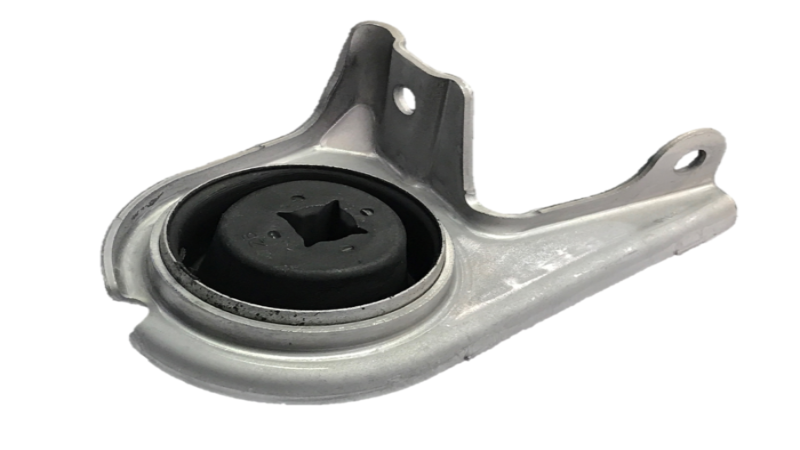
Durability and reliability remain at the forefront of innovation in American manufacturing. As industries continually seek ways to extend the lifespan of components and improve product performance, advanced material processes have become essential. For many engineers and manufacturers, searching for methods that combine flexibility with strength often leads them to explore Rubber To Metal Bonding. This specialized process has become a cornerstone in producing parts that can withstand challenging environments and heavy use.
Understanding the Rubber to Metal Bonding Process
Rubber to metal bonding is a technical process that involves chemically adhering rubber materials to metal surfaces. This integration creates a single component that leverages the best properties of both materials: the elasticity and resilience of rubber with the structural integrity of metal. The process typically involves surface preparation of the metal, application of bonding agents, and molding or curing the rubber in place.
Key steps include:
• Metal Surface Preparation: Cleaning and roughening the metal to ensure optimal adhesion.
• Application of Adhesives: Specialized bonding agents are used to promote a strong chemical bond between the materials.
• Molding and Curing: Rubber is molded onto the metal and cured under controlled temperature and pressure, solidifying the bond.
Benefits of Rubber to Metal Bonding for Durability
Integrating rubber and metal offers a range of benefits that significantly enhance the durability of manufactured components:
• Enhanced Load Bearing: The combination allows for greater load distribution, reducing localized stress and minimizing the risk of part failure.
• Improved Vibration Damping: Rubber absorbs and dissipates vibrations, protecting metal components from fatigue and extending their operational life.
• Corrosion Resistance: The rubber layer acts as a barrier, shielding the metal from moisture, chemicals, and other corrosive agents.
• Noise Reduction: The elastic properties of rubber help dampen noise, which is crucial in automotive, machinery, and construction industries.
• Customizable Performance: Manufacturers can tailor the properties of the bonded part by selecting specific rubber compounds and metals for unique applications.
Applications in American Manufacturing
Rubber to metal bonding is widely utilized across various sectors, reflecting its versatility and proven performance in demanding environments. Common applications include:
1. Automotive Industry: Engine mounts, bushings, and vibration isolators benefit from the combined strength and flexibility, leading to smoother operation and longer component life.
2. Industrial Machinery: Bonded parts are used in conveyor rollers, anti-vibration mounts, and seals, ensuring reliable performance under continuous use.
3. Aerospace and Defense: Components exposed to extreme conditions rely on this bonding to maintain integrity and functionality.
4. Consumer Products: Everyday items such as household appliances and electronics often incorporate bonded parts for durability and safety.
Advancing American Manufacturing Durability
The integration of rubber to metal bonding in American manufacturing processes represents a significant advancement in producing components that last longer and perform better. By leveraging this technology, manufacturers can reduce maintenance costs, minimize downtime, and deliver products that meet stringent durability standards.
In summary, the process of bonding rubber to metal serves as a key strategy for improving the performance and longevity of components across numerous industries. As American manufacturing continues to evolve, adopting innovative solutions like this ensures that products not only meet but exceed expectations for durability, reliability, and quality.